
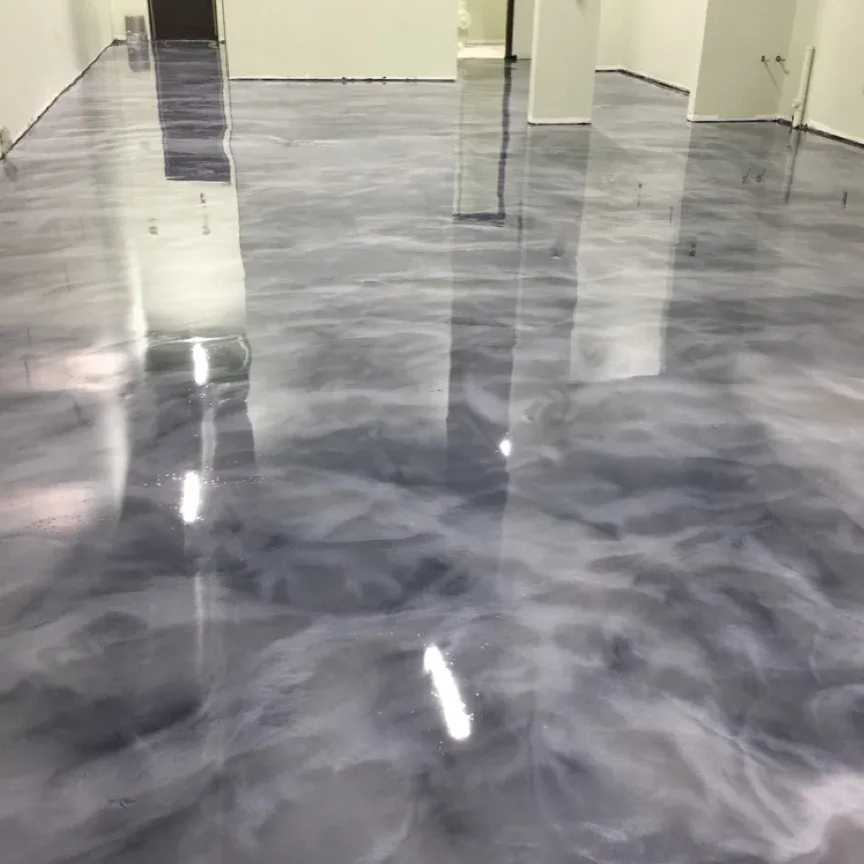
METALLIC EPOXY FLOORING SYDNEY
Poured metallic epoxy floors for homes and showrooms across the Hills District, North West Sydney and greater Sydney. No two metallic floors finish the same way. That's the whole reason people ask for one.
Where does a metallic epoxy floor work best?
Metallic epoxy stands out in rooms people actually look at, and it splits fairly cleanly by setting:
- Entry and living areas: where the floor is the first thing anyone sees walking in.
- Bar or games room: low light, warm light, the kind of room where the swirl actually gets shown off.
- Home office or studio: a floor that carries a room without needing much else in it.
- Showroom or reception: commercial spaces built around a customer noticing the floor.
- Salon or boutique retail: the same idea, dressed for a different customer.
It can go into a garage too, though usually only when the garage is really a place for a car collection rather than somewhere you park the trailer and store the lawnmower.
Where metallic struggles is poor light. The whole effect depends on light catching the swirl in the pigment, so a dim room with one small window won't show off what you paid for. A metallic epoxy floor in a double garage starts from $3,800. The full pricing breakdown is further down the page.
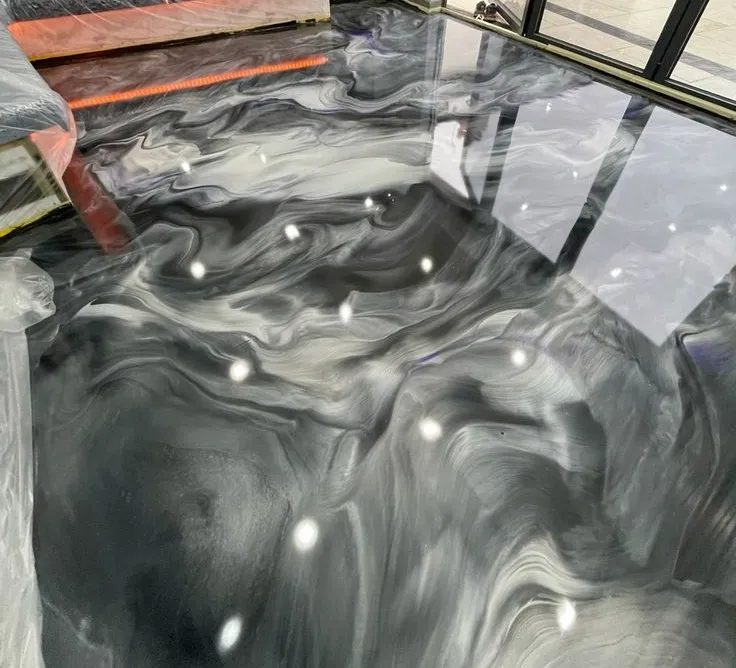
Sydney locals rate us 5 stars


What makes a metallic epoxy floor different
The look comes from pigment moving through wet resin. That pigment is an extremely fine metallic powder mixed into clear or tinted epoxy, and once it's poured out and worked across the floor, it drifts, gathers and separates as the resin spreads and settles. The result has depth and movement instead of sitting flat like a block of colour.
Nothing about the pattern is printed or stencilled. It comes from how the installer throws the pigment, pours and spreads the resin, works it with a roller or trowel, and how long it's left before it sets. After that, the resin settles on its own terms.
Pour the same pigment on the same floor on the same day and you still won't get the same floor twice. This is worth considering before you commit to one, especially if you think you still have some renovation or room layout changes in mind.
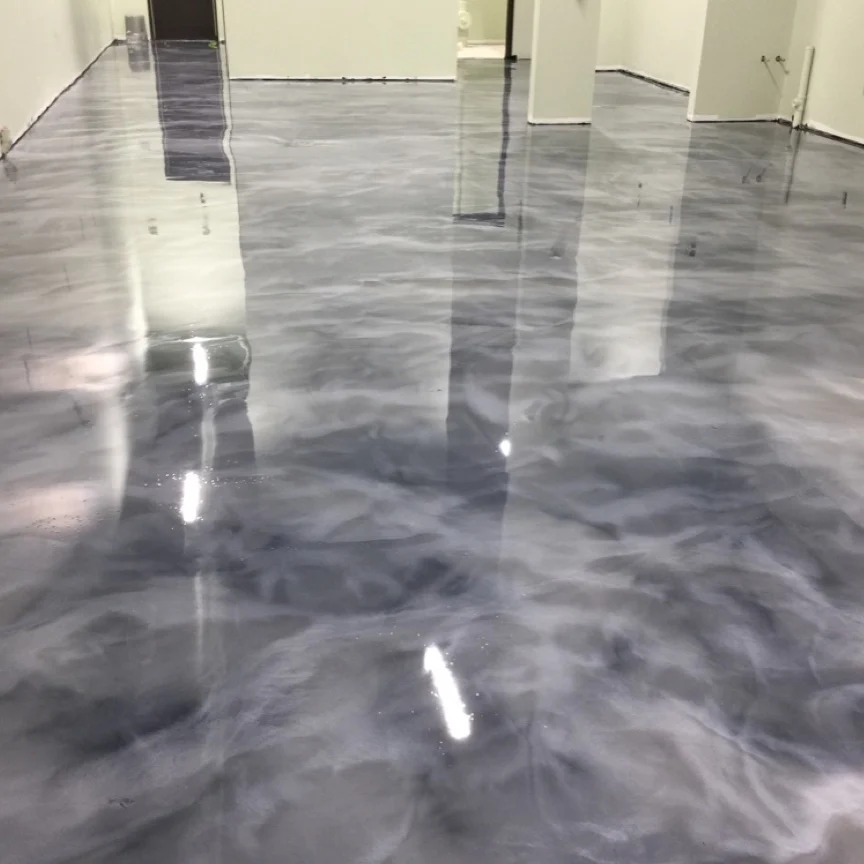
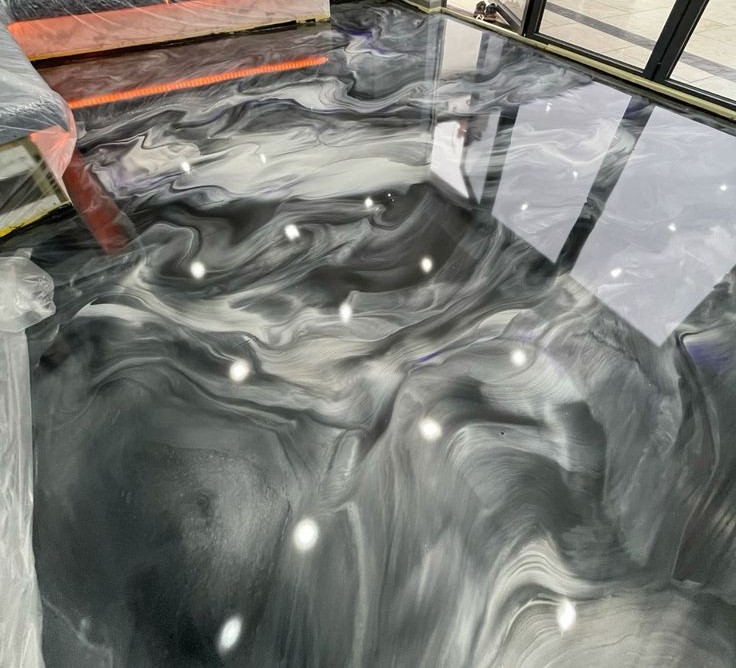
The pigment is only half of a metallic epoxy floor
A metallic floor is really two decisions. There's the metallic pigment, and there's the base coat colour underneath it. That base isn't hidden. It shows through everywhere the pigment thins out and separates, which means it's doing as much work as the pigment itself in setting the depth and contrast of the whole floor. Pour the same pigment over a white base and a black base and you get two different floors.
Here are some of our favourite combinations
- Sapphire Blue on White: the blue holds its colour and the white base keeps the lighter veins open, so the floor reads bright rather than dark.
- Silver Pearl on Charcoal: the pairing most people mean when they ask for a metallic floor without knowing the name. Soft grey movement over a dark ground.
- Silver Pearl on Black: the same silver same pigment, but with more contrast. The silver catches the light and the dark stays properly dark.
- Liquid Gold on Black: warm and high contrast, for a room you actually want people to notice.
- Gun Metal on Charcoal: quiet and tonal, the two sitting close together, for movement in the floor without it dominating the room.
- Ash Grey on Charcoal: a restrained grey on grey that sits comfortably under most joinery and wall colours.
The twelve metallic epoxy pigments
These are the pigments we work with regularly, plus Gun Metal and Mercury Sun, which we lay but don't show on the chart. The base coat underneath is doing half the work, so it's worth picking the pairing rather than the pigment on its own. The base is tinted from APC's range of 206 AS2700 colours, the standard Australian colour system.
All 76 colours we work with, including these twelve pigments and the base coats they sit on, are set out on the epoxy flooring colours page.
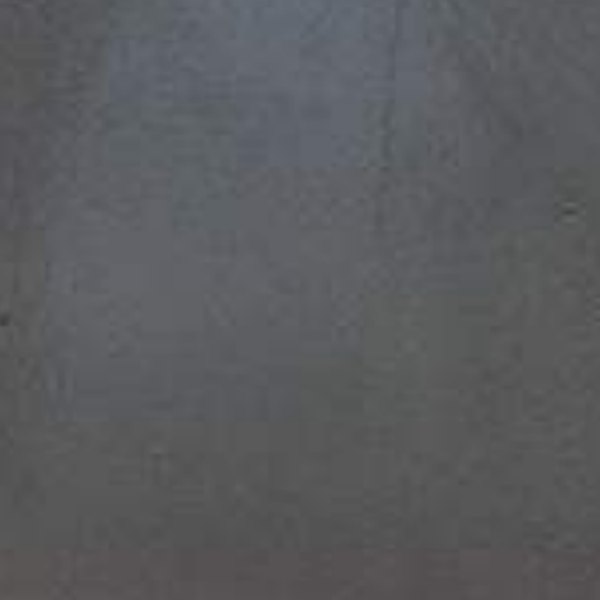
ASH GREY

SILVER PEARL

BLACK STALLION
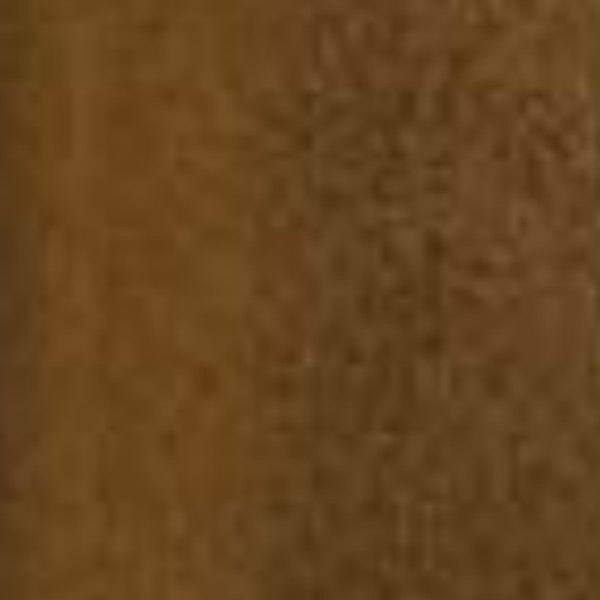
BRONZE SHIMMER

SAPPHIRE BLUE
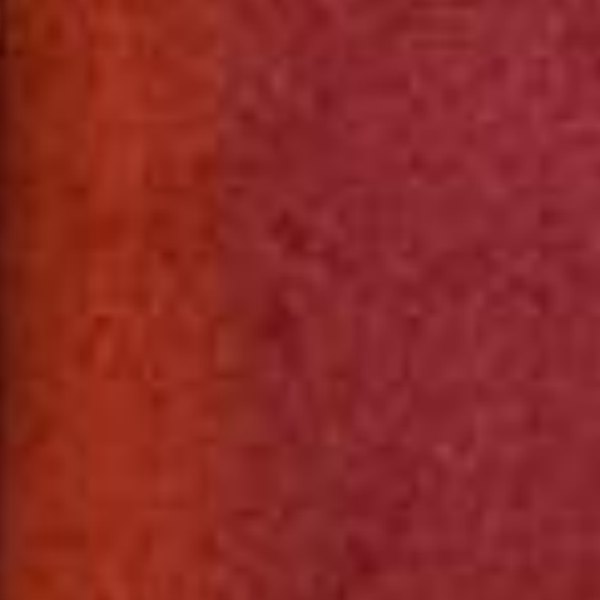
RUBY RED
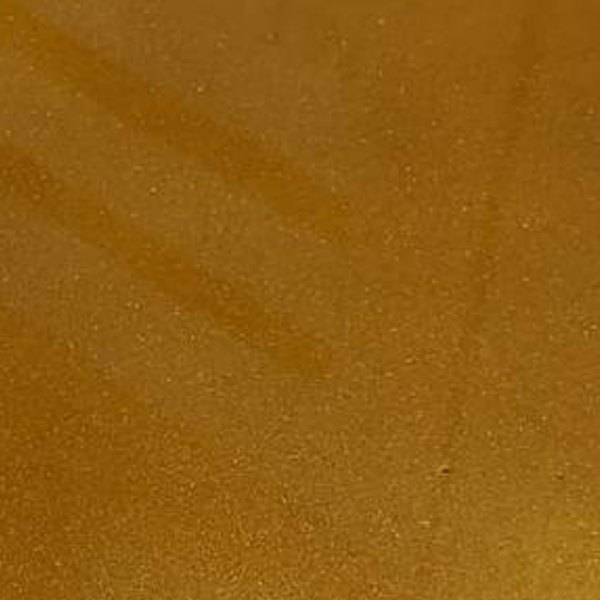
LIQUID GOLD

COPPER METAL

ORANGE GEMSTONE

PINE FOREST

VIOLET AFFAIR
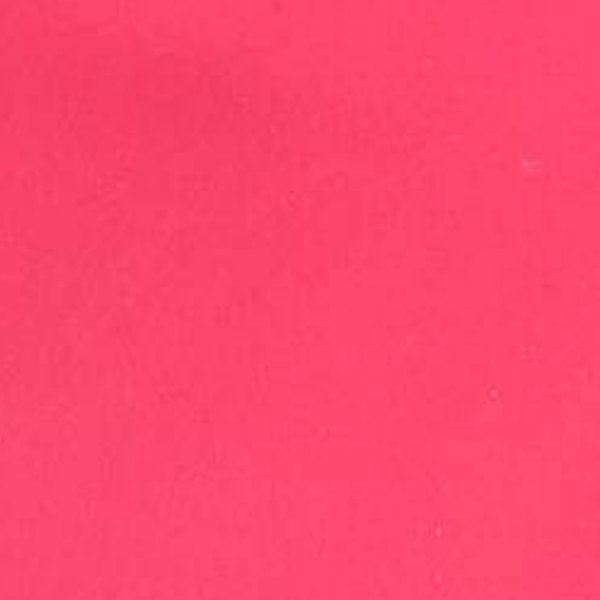
PINK DREAMS
Every metallic epoxy floor is unique
The finished look depends on how the pigment lands and how the resin settles afterward. You can choose the pigment, decide whether you want something calm and cloudy or high contrast and dramatic, and look through photos of past jobs to set a direction.
What you can't do is point at a photo and ask for that exact floor, because that pattern came from how the pigment was thrown and how the resin happened to settle on that day, in that room.
The same limit applies to repairs down the track. A patch won't disappear into a metallic swirl the way it can on a flake floor, because there's no repeating pattern for it to blend into. In practice, repairing a metallic floor usually means recoating the whole area rather than touching up a section.
None of that is a reason to avoid it. Most people choose a metallic floor because no one else will have the same one.
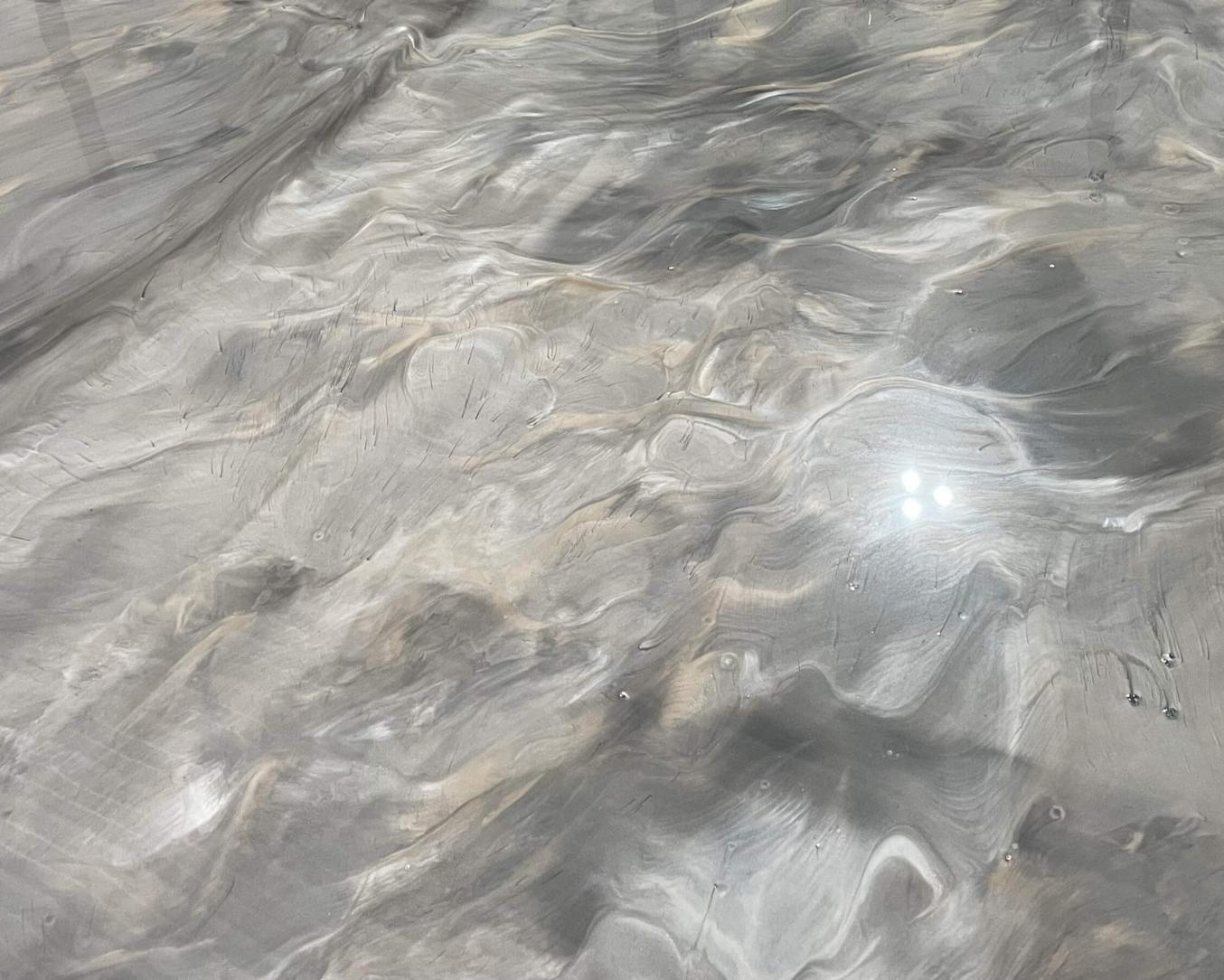
Metallic epoxy versus flake
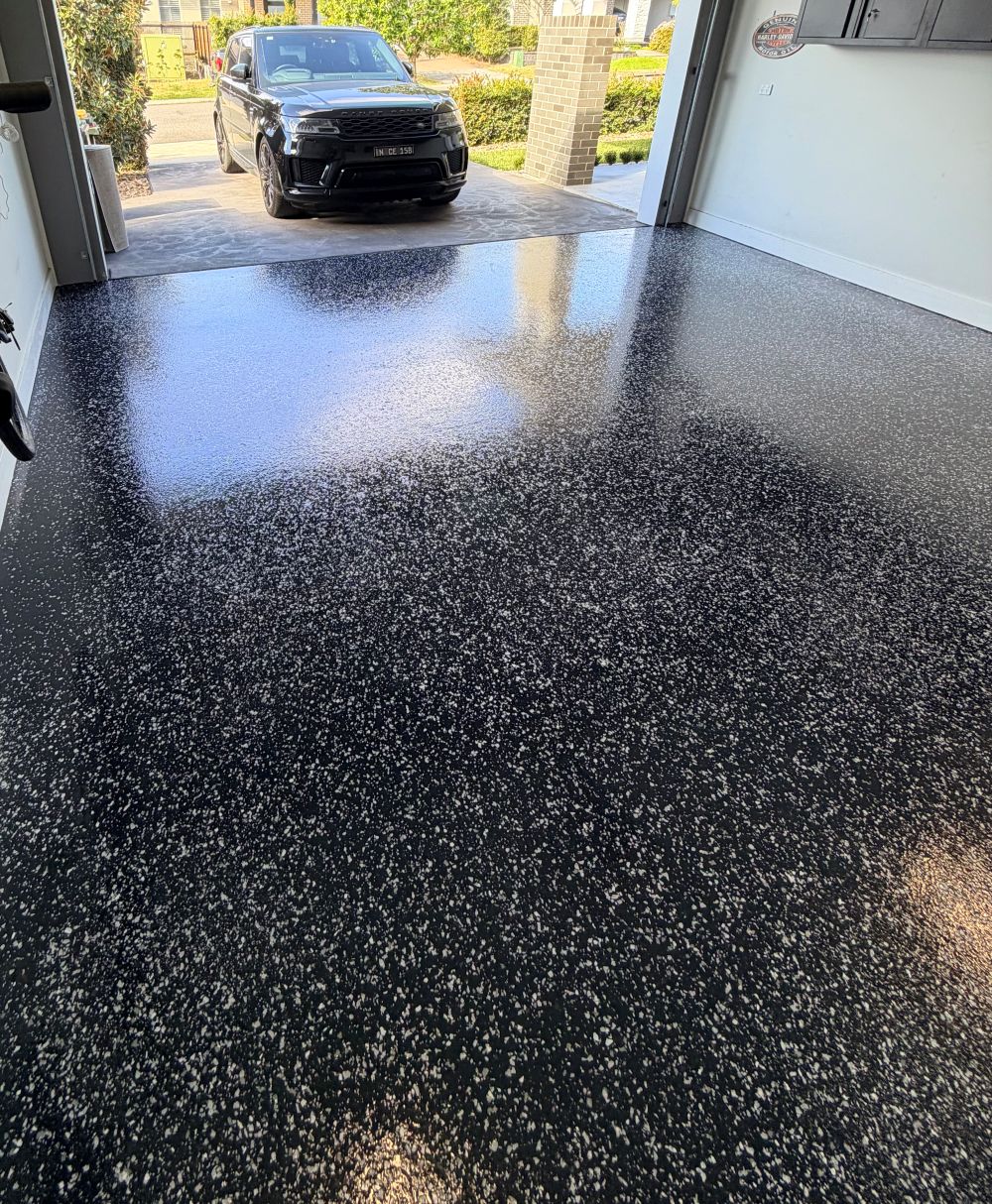
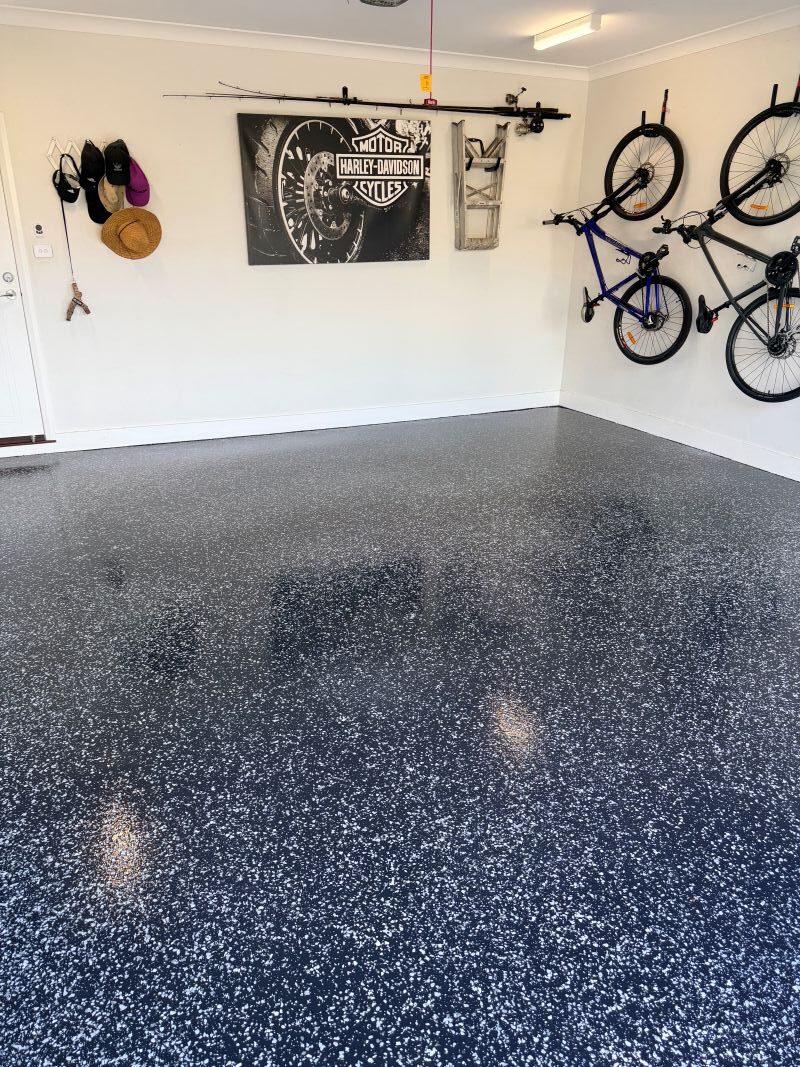
Metallic is a design choice first. People pick it for how it looks, and in the right room, it looks the part. Flake is the more forgiving option for a working space:
- Hides wear: scuffs, dust and the odd hairline mark in the slab disappear into the pattern instead of standing out.
- Repairs blend in: a patch matches the surrounding flake far more easily than it ever could on a smooth metallic swirl.
- Handles daily use: built for bikes, tools, a workbench and a car coming in wet a couple of times a week.
If your garage is used as a garage, flake is usually the better call, and we'll tell you that straight up. Metallic is for a space you're proud of and want people to notice.
A metallic epoxy floor is smoother than flake, so think about grip
Metallic finishes smooth. There's no broadcast chip giving the surface texture, so the sealer sits flat and usually fairly glossy, which is exactly what lets the pattern show properly. The trade-off is that a smooth, glossy resin floor can get slippery when wet. That rarely matters in a living room or a showroom. It matters more in a garage, especially near an external door, on a slope, or anywhere wet tyres come straight in off the street. An anti-slip additive can go into the sealer from $100, though laying it on heavy softens the gloss a little. Home floors get a polyurethane sealer, which protects against UV and stops the colour fading. Commercial floors get a polyaspartic sealer instead, which handles chemicals and knocks better.
Looking after a metallic epoxy floor
Sweep or dust mop regularly, since loose grit is what actually marks a gloss surface, more than anything else. Beyond that:
- Mop with warm water and a mild cleaner: stay away from harsh solvents, which can dull the sealer over time.
- Use felt pads under furniture legs: saves the floor from most scratches before they happen.
- Expect the gloss to wear at high-traffic spots: over years of foot traffic, a gloss sealer loses some shine where people walk most.
That wear is usually fixed by scuffing back and recoating the top layer only, leaving the pigment layer underneath untouched. Coat-by-coat pricing is covered in the questions at the bottom of the page.
From booking to finished floor
01
QuoteWe come out, look at the room and the light it gets, talk through pigment and base coat pairings, and give you a fixed written price.
02
PreparationThe slab is ground back to clean, open concrete and made good, then the base coat goes down in the colour chosen to sit under the pigment.
03
The pour and handoverThe metallic is poured and worked across the floor, left to settle on its own, then sealed. An anti-slip additive goes into the sealer where the room needs it.
A metallic epoxy floor in a double garage starts from $3,800. Because the pigment is worked by hand and then left to settle, the pour itself is the part that cannot be rushed, and we confirm the timing in writing at the free on-site quote. The full epoxy flooring price list covers metallic alongside every other finish.

Get a Free Quote
Tell us the room and how much light it gets, and we will talk you through what suits.
0468 333 881sales@evoepoxy.com.auFree on-site quote, fixed written price
12 metallic pigments to choose from
Base coat chosen with the pigment
Anti-slip additive where it is needed
7-year written product warranty
Suited to
Entries & living areasShowrooms & receptionsBars & games roomsDisplay garages
We work out of Kellyville and cover Castle Hill, Kellyville Ridge, Bella Vista, Norwest, Baulkham Hills, Rouse Hill, Beaumont Hills, Glenhaven, Dural, Kenthurst, Box Hill, Stanhope Gardens, Glenwood, Parklea, The Ponds, Schofields, Winston Hills, Seven Hills, Northmead and Marsden Park.
We reply to every enquiry within one business day
Frequently asked questions
Can I choose the exact pattern?
No. Every metallic epoxy floor will be different, because the pattern depends on how the pigment is thrown across the floor and how the resin settles. You choose the pigment colours and the general character, calm and cloudy or high contrast with strong movement, and the floor makes its own pattern from there. That is what makes each one unique.
Is a metallic floor slippery?
A metallic epoxy floor is smoother than a flake floor, and any smooth glossy surface has less grip when wet. In a dry interior that is rarely a problem. In a garage, near an external door, or on a sloped surface, an anti-slip additive in the sealer is the sensible answer, from $100, and we will raise it with you rather than wait to be asked.
Will it scratch?
A metallic epoxy floor can be marked, the same as any coated floor. Grit under a shoe or a trolley wheel is the usual cause, and marks show up more on a smooth gloss surface than on a textured one. Regular sweeping and pads under furniture legs deal with most of it.
How long before I can use the room again?
Evo Epoxy’s working figure is 72 hours before a metallic floor goes back into normal use, with the polyurethane sealer we use on home floors. Weather, temperature, the slab and the system all shift that, so we confirm the actual dates once we have seen the floor.
Can you do a metallic floor over an existing garage slab?
Usually, yes. The slab is ground back, cracks and chips are filled, and any oil contamination has to be dealt with before anything is poured. Because a metallic finish is smooth, imperfections in the slab show through more than they do under flake, so the preparation matters even more on this one.
How much does a metallic epoxy floor cost?
Evo Epoxy prices a metallic epoxy floor in a double garage in Sydney from $3,800, against $2,500 for a flake floor in the same garage. The price includes the moisture check, diamond grinding, crack filling, primer, base coat, the poured metallic coat and the sealer. Moisture in the slab, a lot of cracks, and old paint that needs a second round of grinding are the three things that push the price up, and every quote is confirmed in writing after a free on-site look at the slab.
How is a metallic epoxy floor laid, coat by coat?
A metallic epoxy floor is a poured coat of pigmented epoxy over a primed and base-coated slab, sealed with clear top coats. Our coatings are made by All Purpose Coatings, and its installation instructions for the metallic system put the primer and base coat at about 6 square metres per litre each with roughly 24 hours between coats, the metallic coat poured at 1 square metre per litre, then the sealer coats on top, with full chemical cure at 7 days. The same sheet says the whole room, walls, ceilings and fans included, is dust-proofed before the pour, and APC recommends the system for experienced installers only.
Does a metallic epoxy floor yellow or fade?
A metallic epoxy floor by Evo Epoxy is sealed with a UV-stable coat, and APC describes its metallic system as long-lasting, non-yellowing and colour stable, with a high gloss, glass-like finish. APC lists it for homes, showrooms and commercial spaces. We follow the manufacturer’s guidelines, and metallic epoxy is for indoor use. Talk to us and we can see what solutions we can come up with.
How do you look after a metallic epoxy floor?
A metallic epoxy floor is looked after with a soft broom and a mop. Sweep or dust mop to keep grit off the gloss, mop with warm water and a mild cleaner, avoid harsh solvents, and put felt pads under furniture legs. When the gloss loses its shine where people walk most, after years of use, the top layer can usually be scuffed back and recoated without touching the pigment layer.
Evo Epoxy Flooring2 Affleck Cct, Kellyville NSW 2155Servicing the Hills District & North West Sydney0468 333 881Get directions
Ready to talk metallic epoxy flooring?
Free on-site assessment and a fixed written quote. If flake is the better choice for the room, we will say so.