
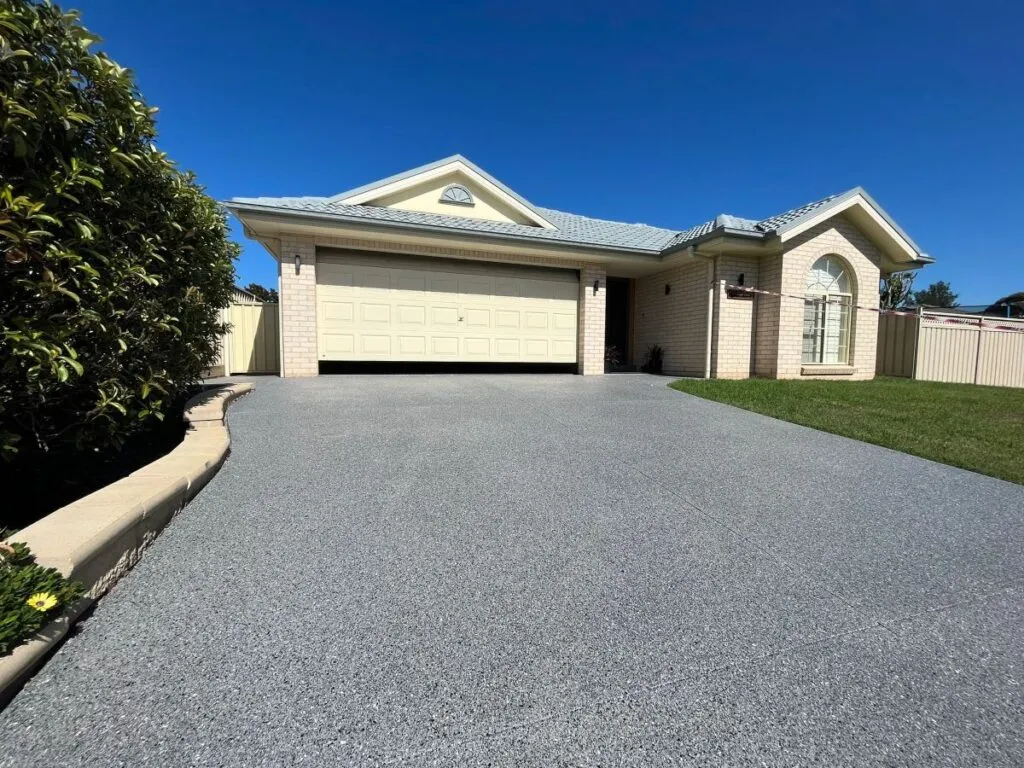
EXPOSED AGGREGATE DRIVEWAY RESTORATION
Flat, grey exposed aggregate brought back across Sydney. The driveway is ground to expose the stone, polished with a finer grade so the aggregate reads sharp instead of worn, then resealed. We do a test patch first, so you see the result before the whole driveway is done.
Can a grey exposed aggregate driveway be brought back?
Nearly always, and the stone is rarely the problem. What fails is the cement paste holding the top of each stone, and the sealer sitting over it. Once those go, a driveway that used to look wet and rich reads flat and grey, even though the aggregate underneath is exactly as it was the day it was poured.
That is why replacing an exposed aggregate driveway is usually the wrong call. Restoring the surface costs a fraction of a new driveway, with no demolition and no waiting on fresh concrete to cure.
The driveway services we do
- Free on-site quote, with a fixed written price before anything is booked.
- Test patch first: you see the result on your own driveway before we do the lot.
- Two grinding passes: the second with a finer grade, which is what polishes the stone.
- UV-stable sealer built for full Sydney sun, so it does not chalk or yellow.
- 7-year written product warranty on the sealer that goes down.
Sydney locals rate us 5 stars


Why exposed aggregate driveways go flat and grey
Exposed aggregate is everywhere through Kellyville Ridge, Beaumont Hills, Stanhope Gardens, The Ponds and Box Hill, because that is what the estate builders laid. Those driveways are now old enough that the same handful of things have caught up with them.
- A failed sealer: UV breaks the original sealer down, so it goes patchy, chalky or yellow and the driveway looks blotchy even straight after a wash.
- Eroded cement paste: the paste gripping the top of each stone wears away, so the stone sits dull and the surface loses its depth.
- Moss and lichen: the shaded strip down the side of the house that never dries out and never comes clean with a hose.
- Tannin staining: dark marks under a gum or a jacaranda that soak into open concrete and will not wash off.
- Efflorescence: the white bloom that keeps coming back because water is moving through the slab and leaving salts behind.
None of that is structural. It is the outer skin of the concrete giving up after years of sun, rain and tyres.
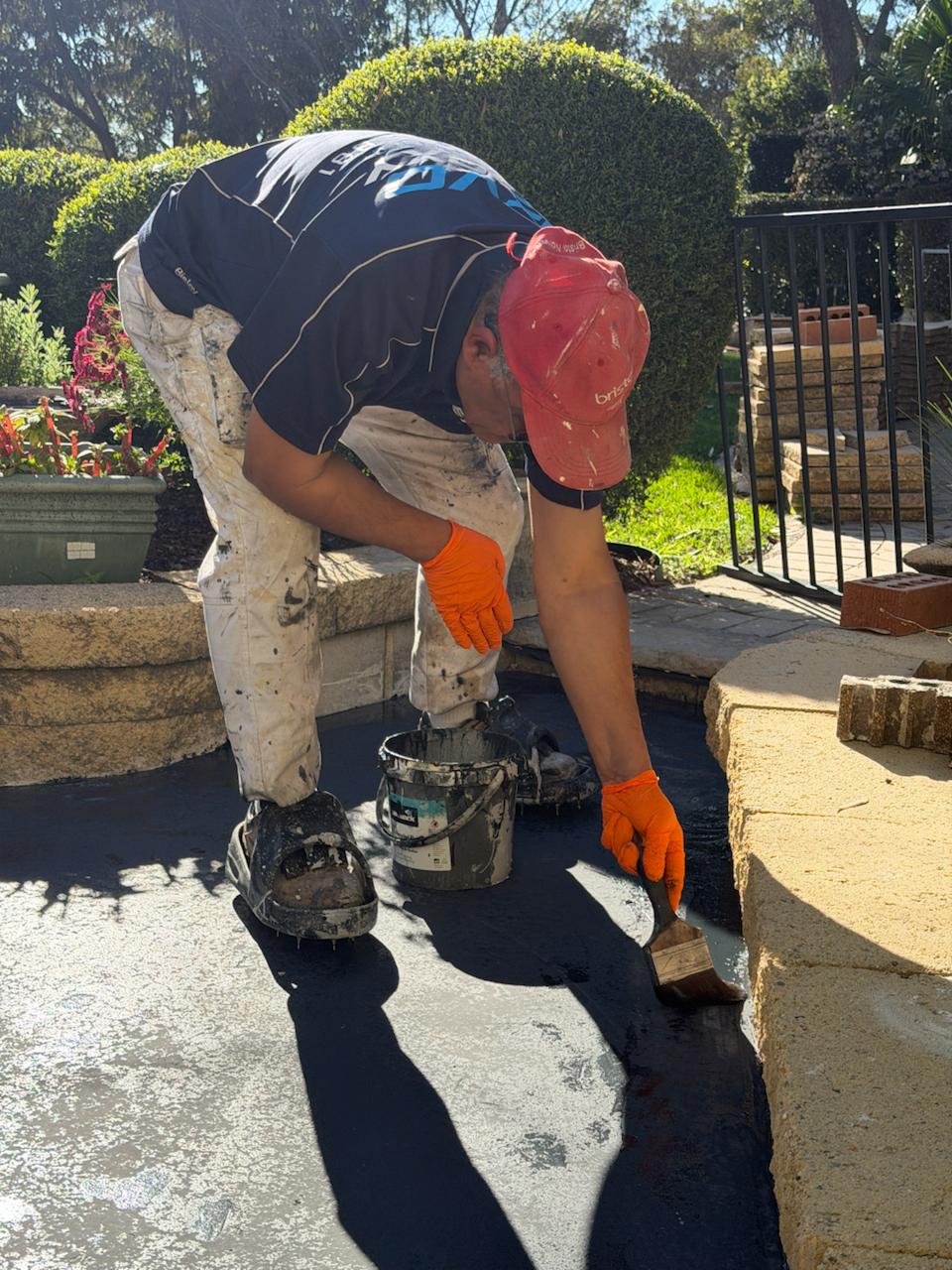
How an exposed aggregate driveway is restored
An exposed aggregate driveway is prepared differently from plain concrete, and the difference is the second pass.
The first pass takes the weathered top layer off and brings the stone forward. The second pass, with a finer grade, polishes that stone rather than wearing it down. Skip it and the aggregate looks scuffed instead of sharp, which is the difference between a driveway that looks restored and one that just looks ground.
- Pressure clean: the driveway is washed down to strip off whatever is sitting on the surface.
- Grind to expose the aggregate: diamond tooling cuts away the weathered, contaminated top layer and brings the stone forward again.
- A finer second pass: this is what polishes the stone and gives the finish its depth.
- Cracks and gaps filled: cut out, filled and sanded flush before anything is coated.
- Reseal: the sealer brings the colour and depth back, and keeps the driveway looking the way it does on handover day.
Nothing goes down until the driveway is clean, sound and dry. We do a test patch before committing to the whole driveway, so the result is something you have seen rather than something you have been promised.
Choosing the finish on a restored aggregate driveway
Once the stone is back, the sealer decides how it reads. There are two broad families of sealer, and on exposed aggregate most people want the clear, because the whole point is the stone.
Penetrating sealer
A penetrating sealer soaks into the concrete and works from inside the pores, repelling water and oil without changing the look much. It suits a driveway where you want the aggregate to read natural, and where protection matters more than bringing the wet look back.
Film forming sealer
A film forming sealer sits on the surface as a clear layer, blocks contaminants at the face, and brings colour and depth back to the stone. That is the wet look most people are after on exposed aggregate, and it is what makes a restored driveway read rich rather than dry.
Gloss level
PaveCoat is supplied in gloss as standard, with high gloss or matt on request. Gloss lifts the stone hardest, matt keeps it closer to natural. We bring samples out and look at them on your driveway, under your light, before you decide.
Our preferred driveway sealer is NuTech’s PaveCoat, an Australian acrylic sealer listed for driveways, paving and decorative concrete. It comes in clear and 29 standard colours and can be custom colour matched, though on exposed aggregate the clear is what most people choose.
Ask for sample pots if precision matters, because a colour reads lighter outside and lighter again spread across something the size of a driveway.
Two things to know before you choose
- Slip resistance is built in, not added later. NuTech’s anti-slip mix-in for PaveCoat is rated P2 to P3 under AS 4586 on flat sealed concrete, and NuTech says it is not for steep surfaces, so a steep driveway needs a different approach and we say so at the quote.
- Exterior work needs a UV-stable top coat, because a product formulated for a garage will chalk and yellow in full Sydney sun.
Before and after
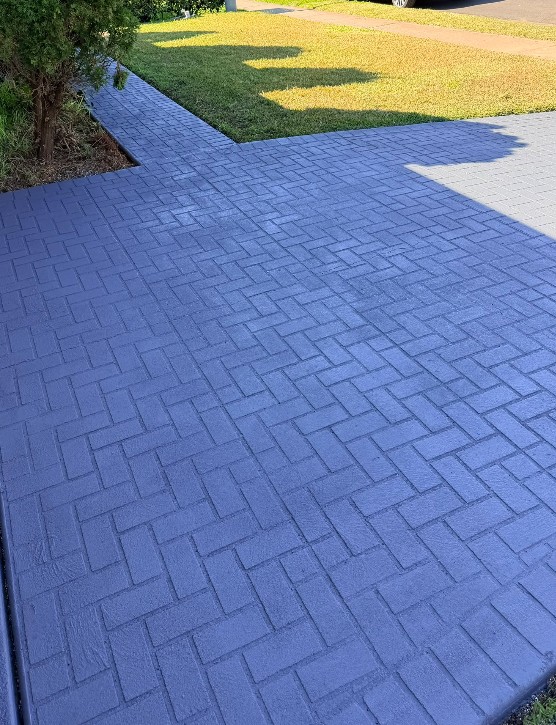
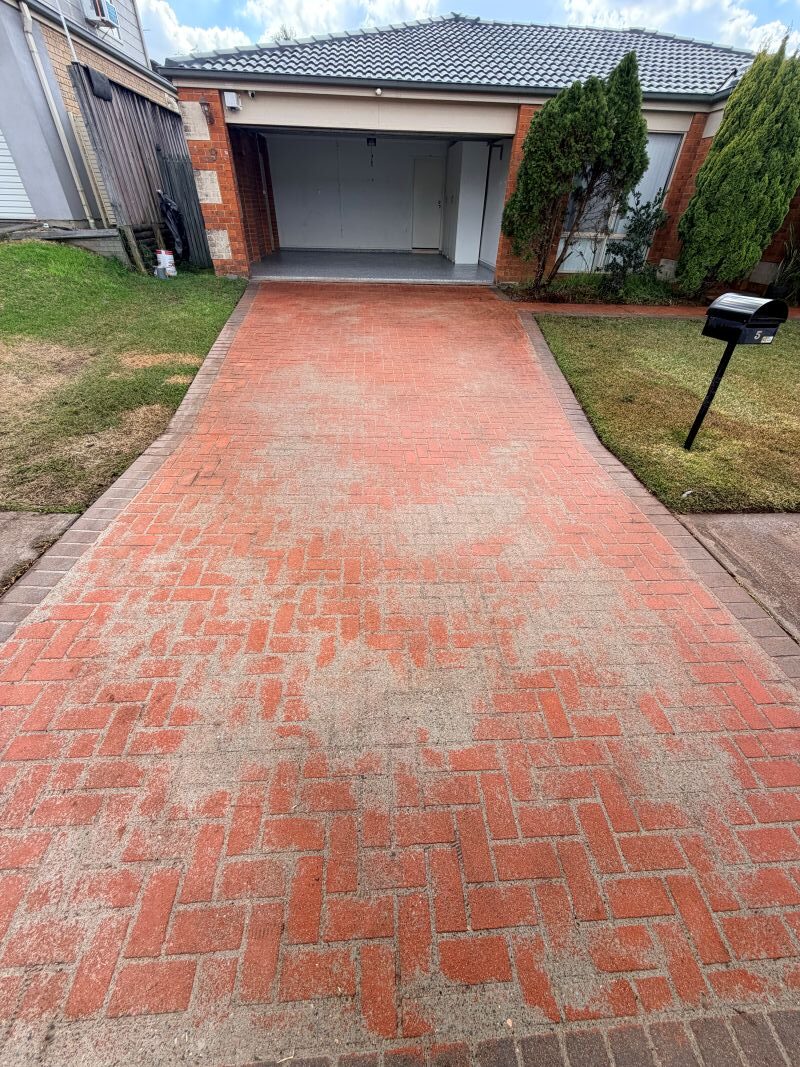
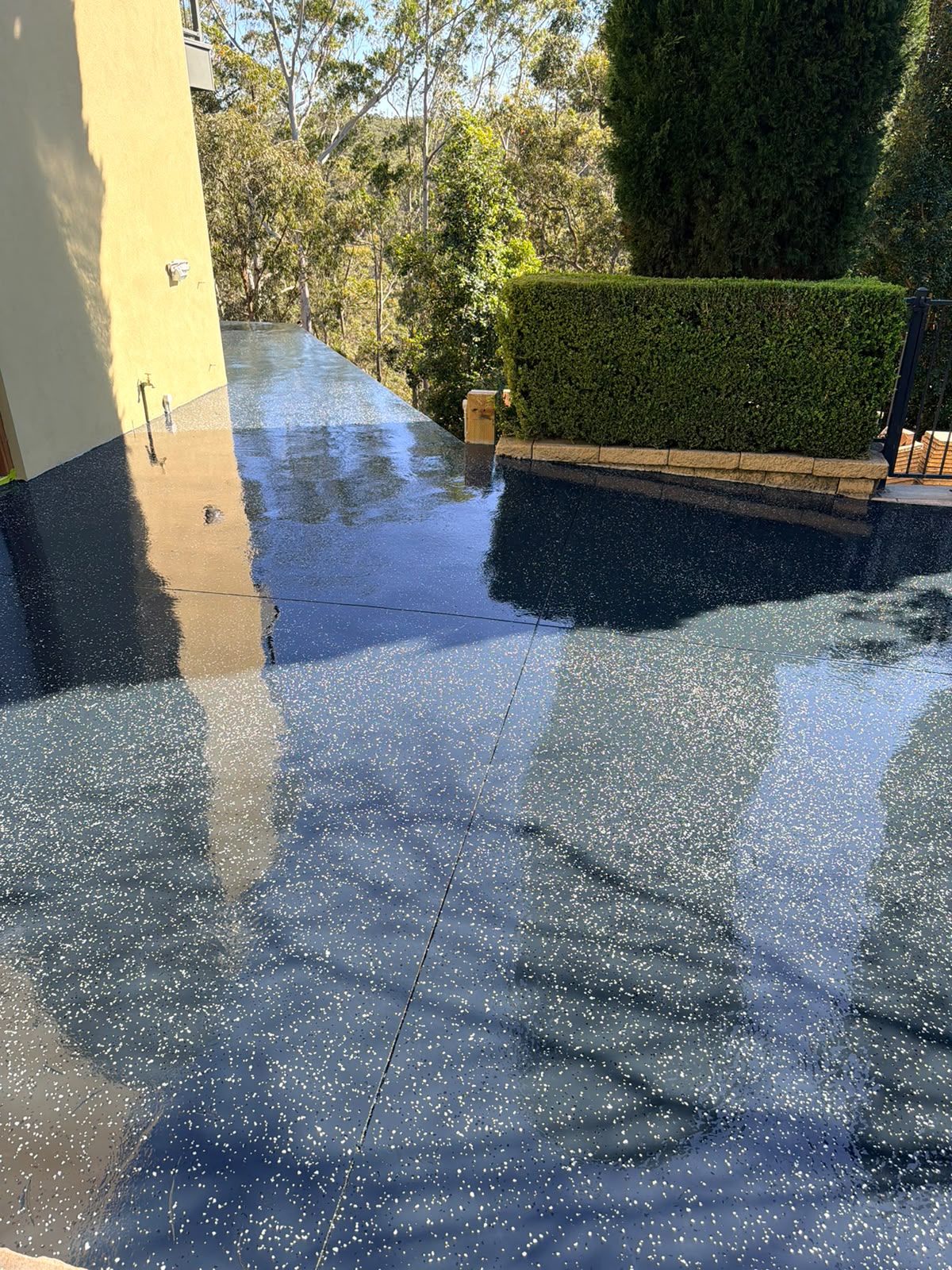
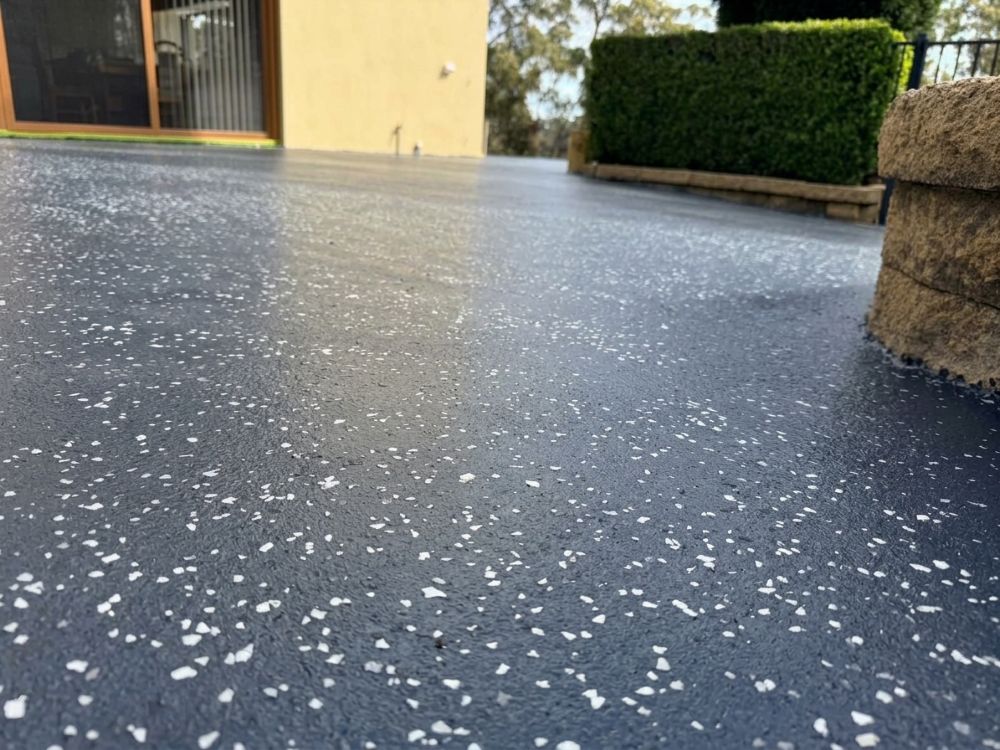
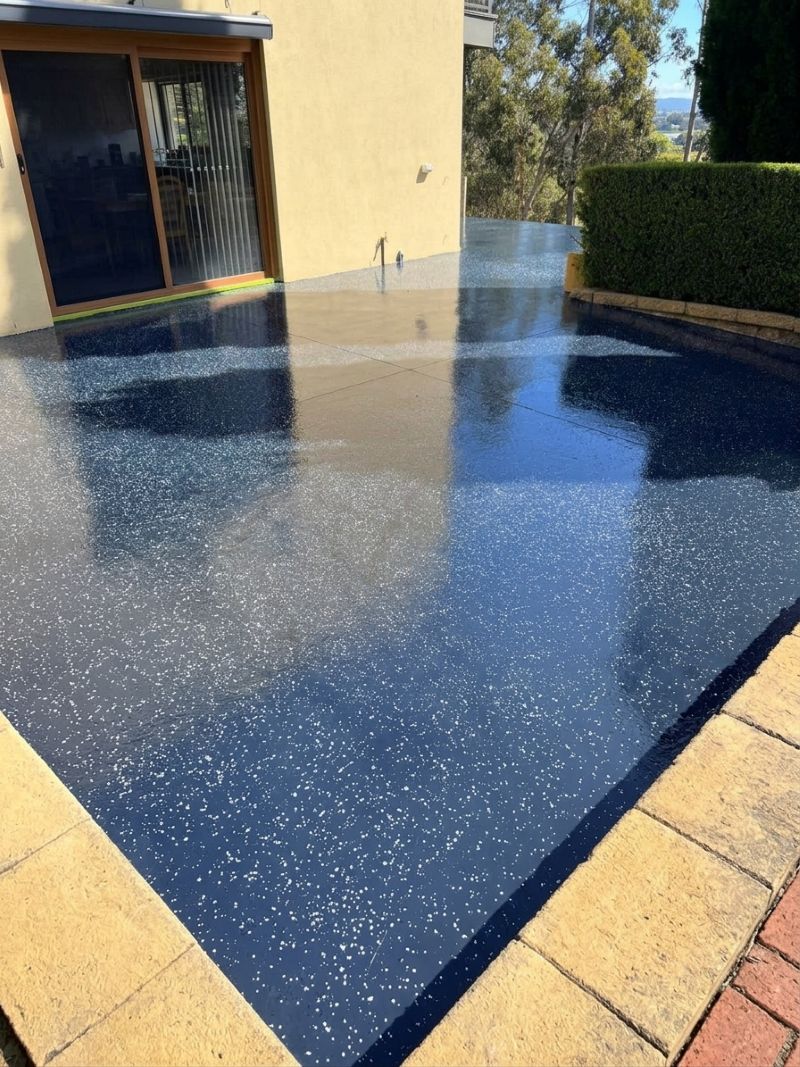
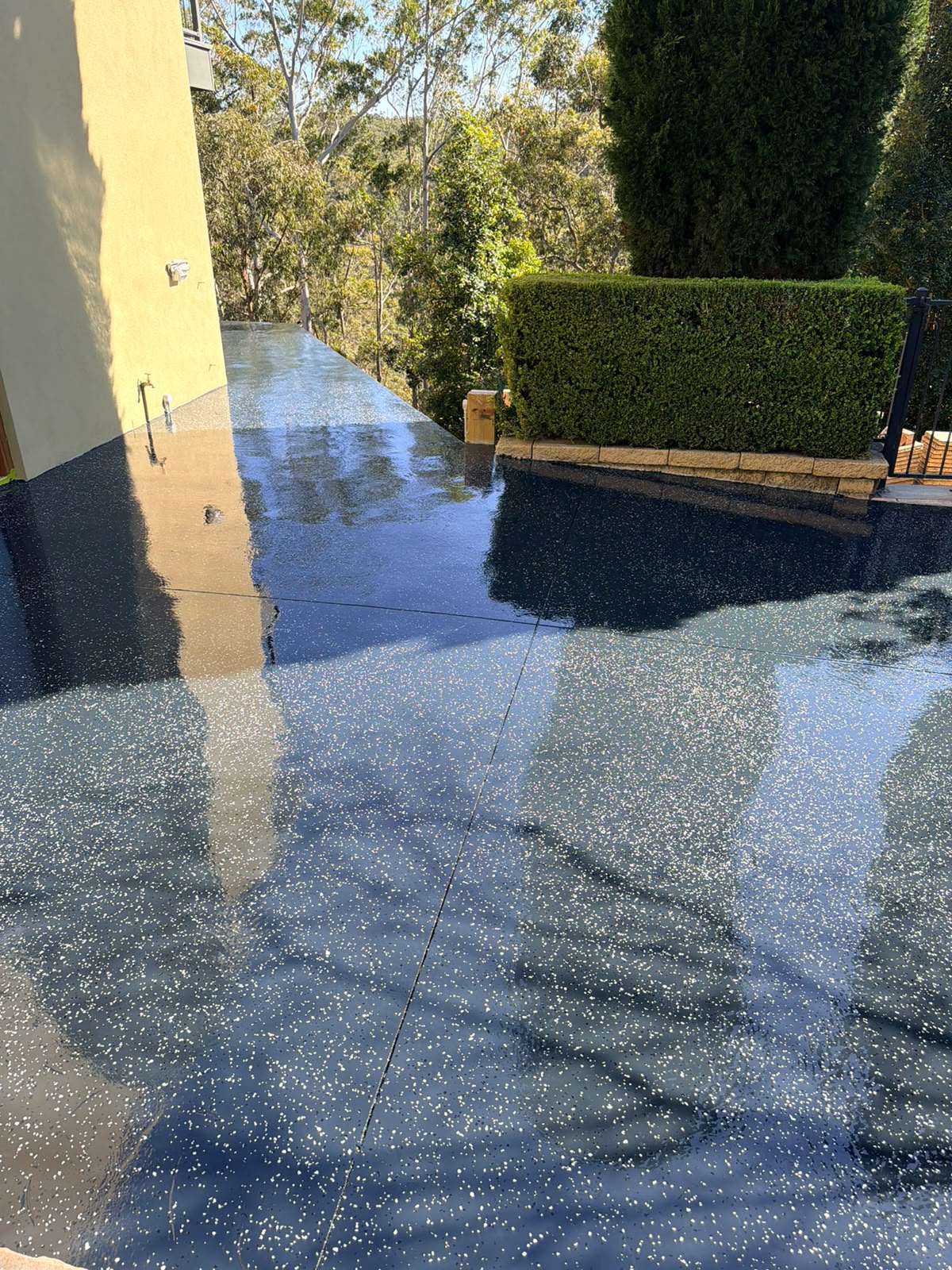
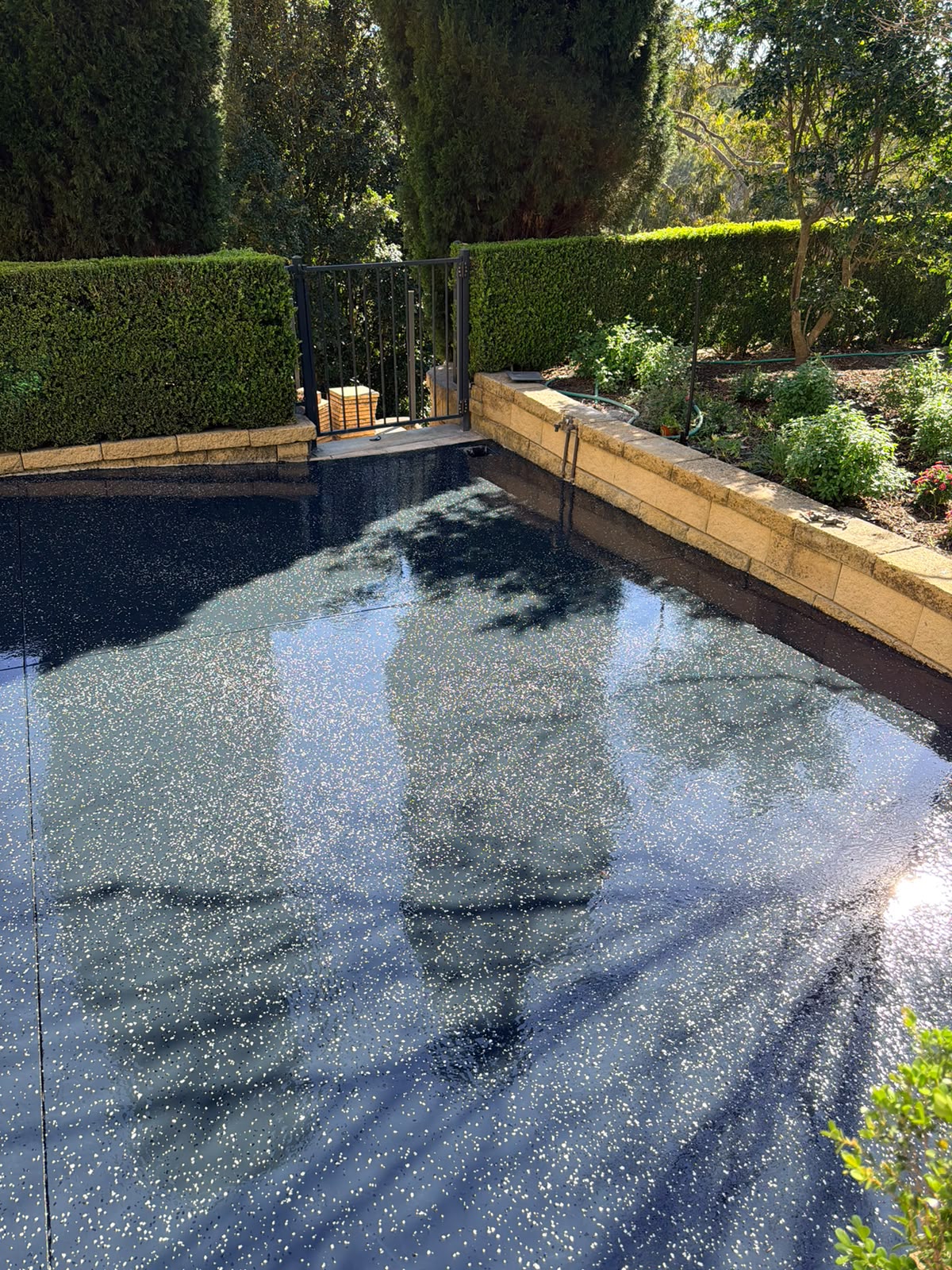
Two driveways we have sealed, both pressure cleaned, acid washed and coated. Drag the handle across each one to see the change.
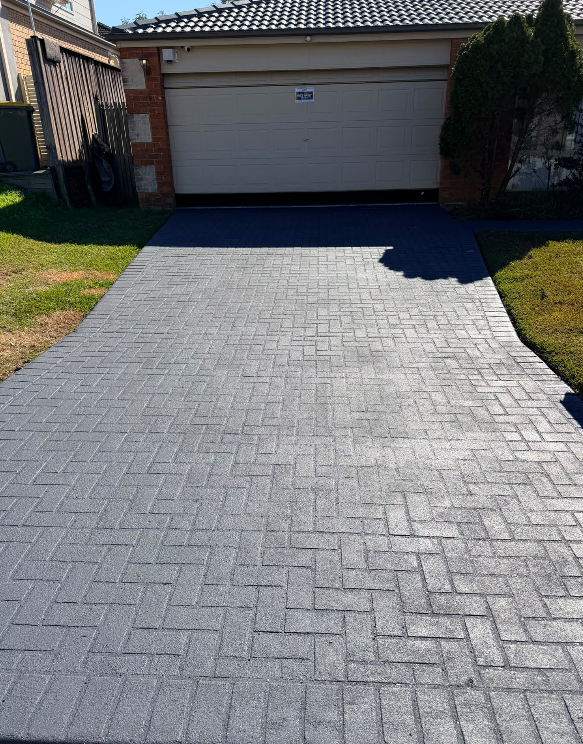
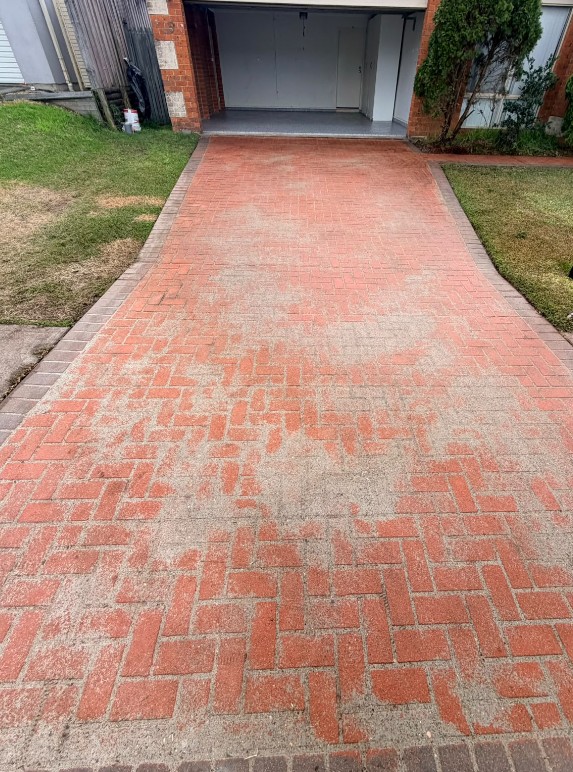
This driveway was pressure cleaned, acid washed, then coated with a non-slip additive worked into the top coat.
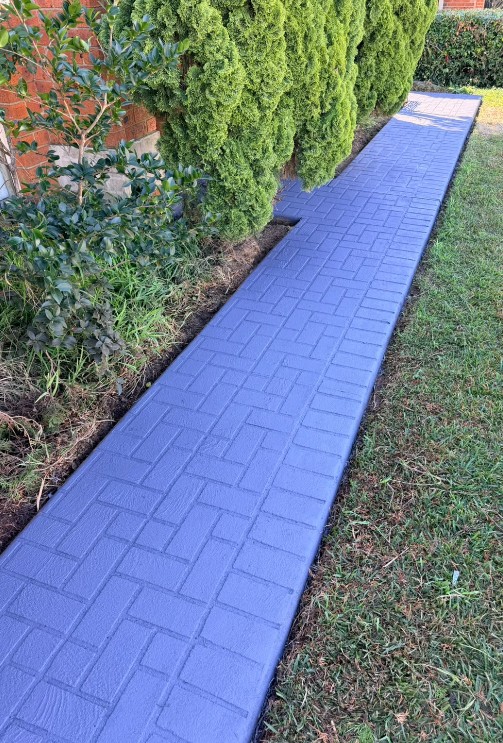
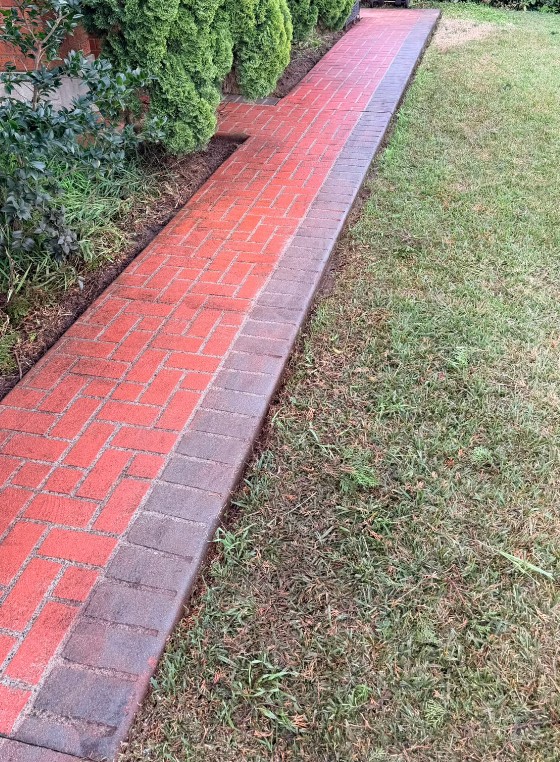
The front path at the same house, sealed on the same visit.
What restoring an aggregate driveway cannot fix
Surface work fixes surface problems. It is better to know the limits before you commit than after.
- Structural cracks: a crack running right through the slab can be cut out, filled and made far less obvious, but it is still a crack and it can come back if the ground under it is moving.
- Movement and settlement: if a section has dropped, lifted or rocks when you drive on it, the problem is under the concrete and no surface work reaches it.
- Tree root damage: roots that have lifted a slab will keep lifting it.
- Deep oil contamination: oil soaking into open concrete for years can sit deeper than the layer we take off, and it can ghost back through. We tell you before we start if a patch looks at risk.
- Drainage: grinding follows the existing fall. If water currently runs toward your garage, it still will afterwards.
- Failed reinforcement: where steel inside the slab has rusted and pushed the concrete apart, that section has failed from the inside and needs replacing.
We look at all of that on site before quoting, and the quote follows the visit rather than photos.
Restoring a driveway that is failing underneath means doing the whole thing again later, so it is better to be straight about it up front.
Restore the aggregate driveway, or replace it?
Restoring suits a driveway where the slab is sound and the damage sits in the surface. Replacing is the right answer when the concrete itself has gone.
Either way we do a test patch first, so you can see what the stone comes back like before you commit to the whole driveway.
Restore when
- The slab is a single sound piece that does not move.
- Cracks are hairline or narrow, with no step between the two sides.
- The damage is a surface layer that has weathered, stained or flaked.
- The fall still sends water where it should go.
Replace when
- Sections rock or have dropped against each other.
- Cracks are wide with the sides at different heights.
- The concrete has broken into pieces.
- Large areas have spalled deep enough to show the steel.
- The sub base has washed out and the slab is bridging a void.
If your driveway sits in the second group we will tell you, rather than take the job and leave you doing it again in two years.
From booking to finished driveway
01
QuoteWe come out, look at the driveway, check what is surface and what is structural, and talk through colour and finish. The quote follows the visit, not photos, and covers the preparation, the product, the colour and the days on site.
02
Test patch and grindingWe grind a test patch so you see the stone come back. Then the driveway is pressure cleaned, ground in two passes, and the cracks and gaps are filled.
03
Sealing and handoverThe sealer goes down with slip resistance worked into the top coat. You can walk on it well before it takes a car, and we give you the dates for your driveway.
How long it takes comes down to the size of the driveway and the state of the surface. Evo Epoxy’s working figure is 72 hours before a sealed driveway goes back into normal use, and you can walk on it well before that. Weather, temperature, the condition of the slab and the product going down all move it, so we confirm the actual dates when the work is booked in.
Get a Free Quote
Tell us roughly how big the driveway is and how long since it was last sealed, and we will come and look at it.
0468 333 881sales@evoepoxy.com.auFree on-site quote, fixed written price
Test patch before the whole driveway is done
Two grinding passes, the second to polish the stone
UV-stable sealer built for full Sydney sun
7-year written product warranty
Suited to
Exposed aggregate drivewaysAggregate paths & patiosPool surroundsFaded or failed sealer
We work out of Kellyville and cover Castle Hill, Kellyville Ridge, Bella Vista, Norwest, Baulkham Hills, Rouse Hill, Beaumont Hills, Glenhaven, Dural, Kenthurst, Box Hill, Stanhope Gardens, Glenwood, Parklea, The Ponds, Schofields, Winston Hills, Seven Hills, Northmead and Marsden Park.
We reply to every enquiry within one business day
Frequently asked questions
Can an old exposed aggregate driveway really look new again?
Nearly always. The stone is rarely the problem. What has failed is the cement paste holding the top of the stone and the sealer over it, and both of those come back with a grind, a polish and a reseal. We do a test patch first so you see the result on your own driveway before the whole thing is done.
Why does exposed aggregate need two grinding passes?
The first pass takes off the weathered top layer and brings the stone forward. The second pass with a finer grade polishes that stone rather than wearing it down. Without it the aggregate looks scuffed instead of sharp, which is the difference between a driveway that looks restored and one that just looks ground.
Is restoring cheaper than replacing an exposed aggregate driveway?
Considerably, and there is no demolition and no waiting on new concrete to cure. Restoring only makes sense where the slab is sound, so we check for movement, wide cracks with a step between the sides, and spalling deep enough to show the steel before quoting. If the slab has gone we say so.
Will the stone colour come back?
Yes, that is what the sealer does. A clear film forming sealer brings back the wet look that makes exposed aggregate worth having. NuTech’s PaveCoat is supplied in gloss as standard, with high gloss or matt on request, so how much shine you get is your choice.
How long before I can park on a restored driveway?
Evo Epoxy’s working figure is 72 hours before a sealed driveway goes back into normal use, and you can walk on it well before that. The sealer has to reach proper hardness before tyres go on it, especially where a car turns on the spot. Weather and the condition of the slab move that, so we confirm the real dates once the work is booked.
Do you restore aggregate paths and pool surrounds as well?
Yes. Most driveways run into the paving around the house and out to the side gates, and the same two-pass grind and sealer go on paths, patios and pool surrounds. Those areas are quoted on top of the driveway, and most people bring them into the same visit once they see the difference.
Will a restored aggregate driveway be slippery?
It can be if the sealer is glossy and nothing is worked into it, so slip resistance goes into the top coat rather than getting added after someone has slipped. Slip ratings in Australia run from P0 to P5 under AS 4586, and NuTech’s anti-slip mix-in for PaveCoat is rated P2 to P3 on flat sealed concrete. NuTech says it is not for steep surfaces, so a steep driveway gets a different approach and it is priced in from the start.
Evo Epoxy Flooring2 Affleck Cct, Kellyville NSW 2155Servicing the Hills District & North West Sydney0468 333 881Get directions
Want your aggregate driveway looking new again?
Free on-site assessment, a fixed written quote, and a test patch before the whole driveway is done.