
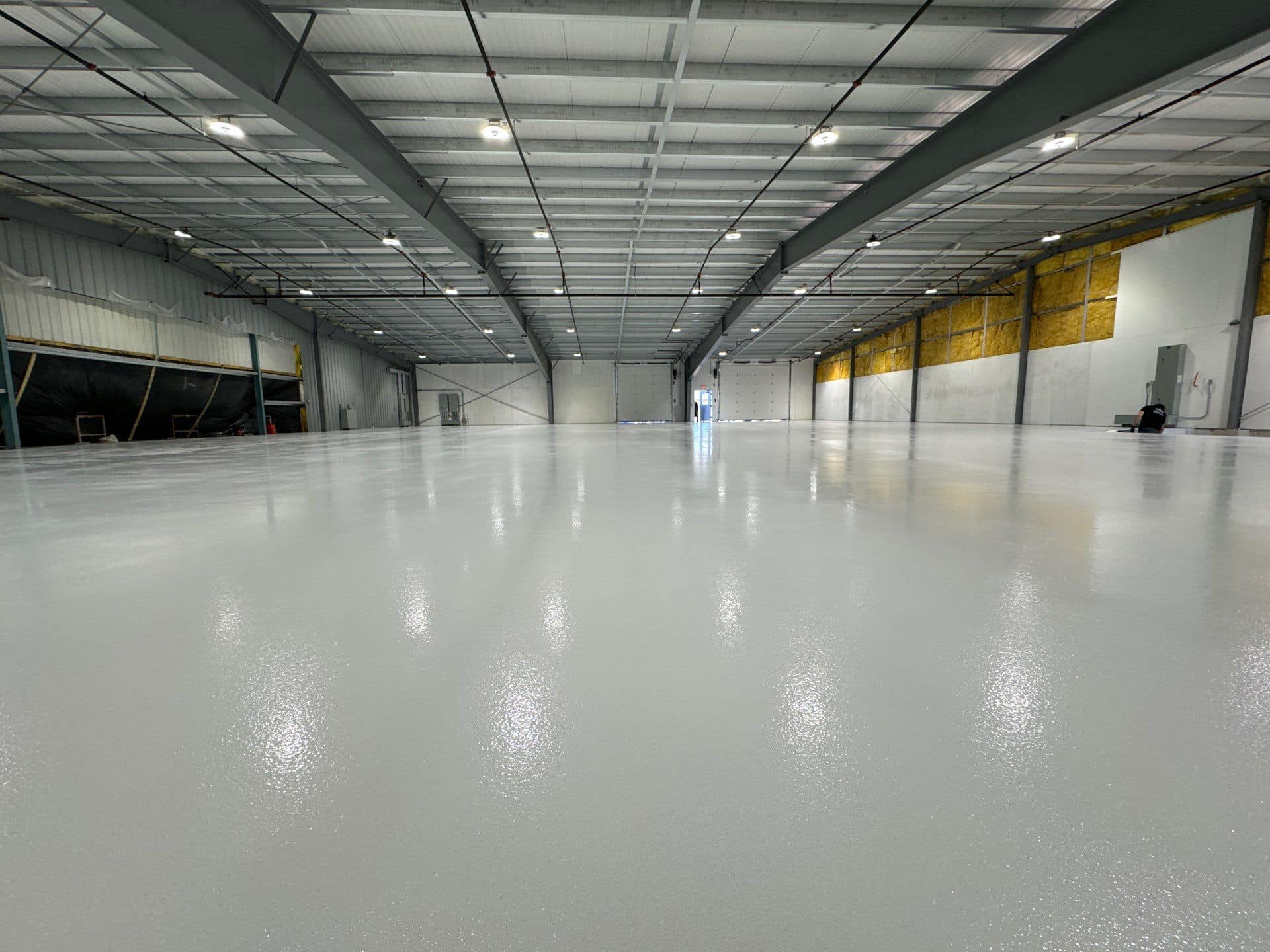
COMMERCIAL EPOXY FLOORING SYDNEY
Warehouse, workshop, kitchen and showroom floors across the Hills District and North West Sydney, ground back properly and staged around your trading hours.
Commercial floors built for a working site
Got a workshop, a warehouse or a shop where the floor has had it? That is most of what we do. Bare concrete dusts, and the dust ends up on your stock. Old coatings lift around the roller door. And the end of day wash down drags on, because the slab has soaked up oil and will not come clean.
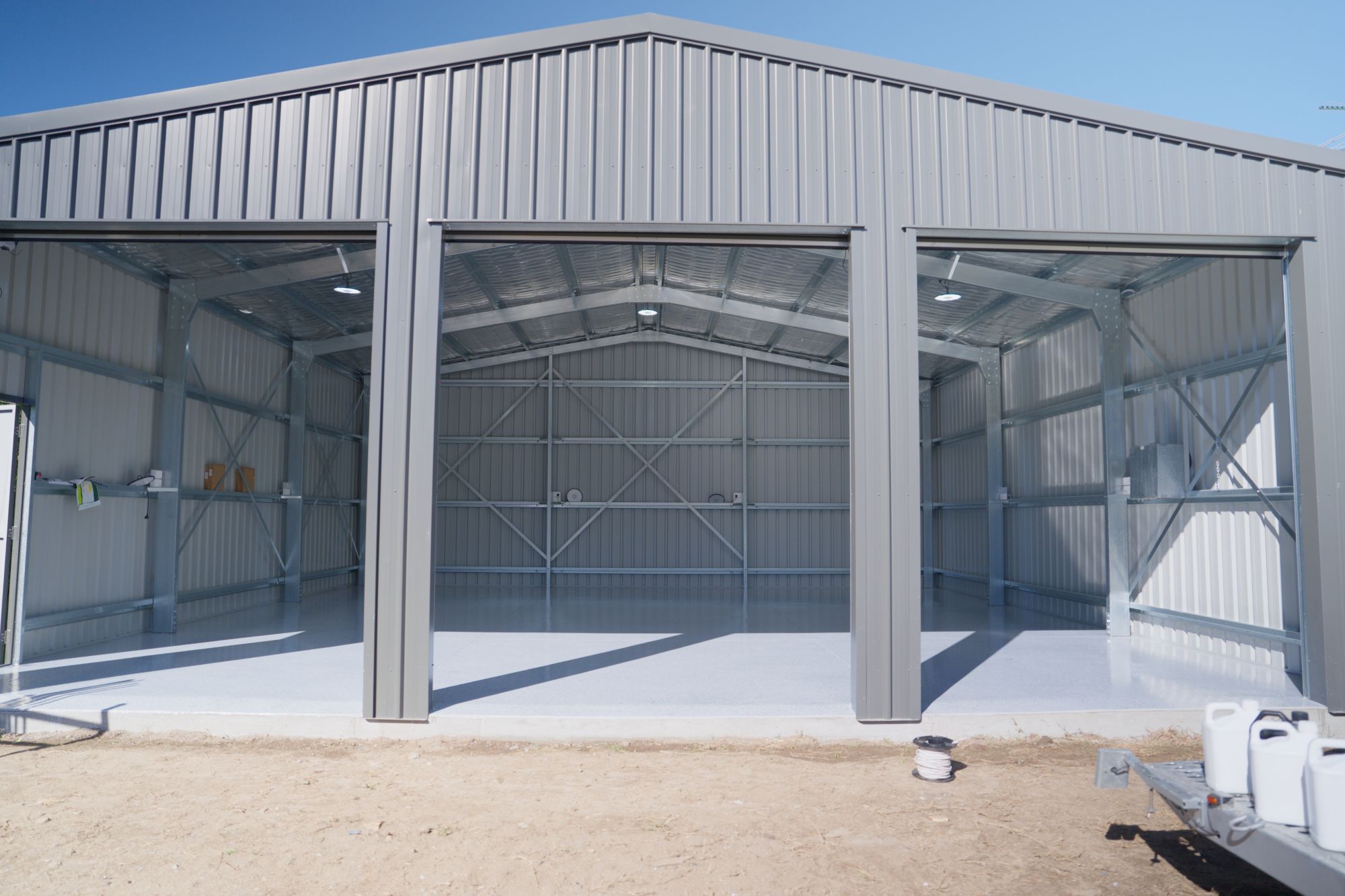
We are based in Kellyville and we do commercial work right across Sydney, and further out when the job warrants it. Warehouses, workshops, commercial kitchens, showrooms, shopfronts. If a job is bigger than we can do properly, we will say so.
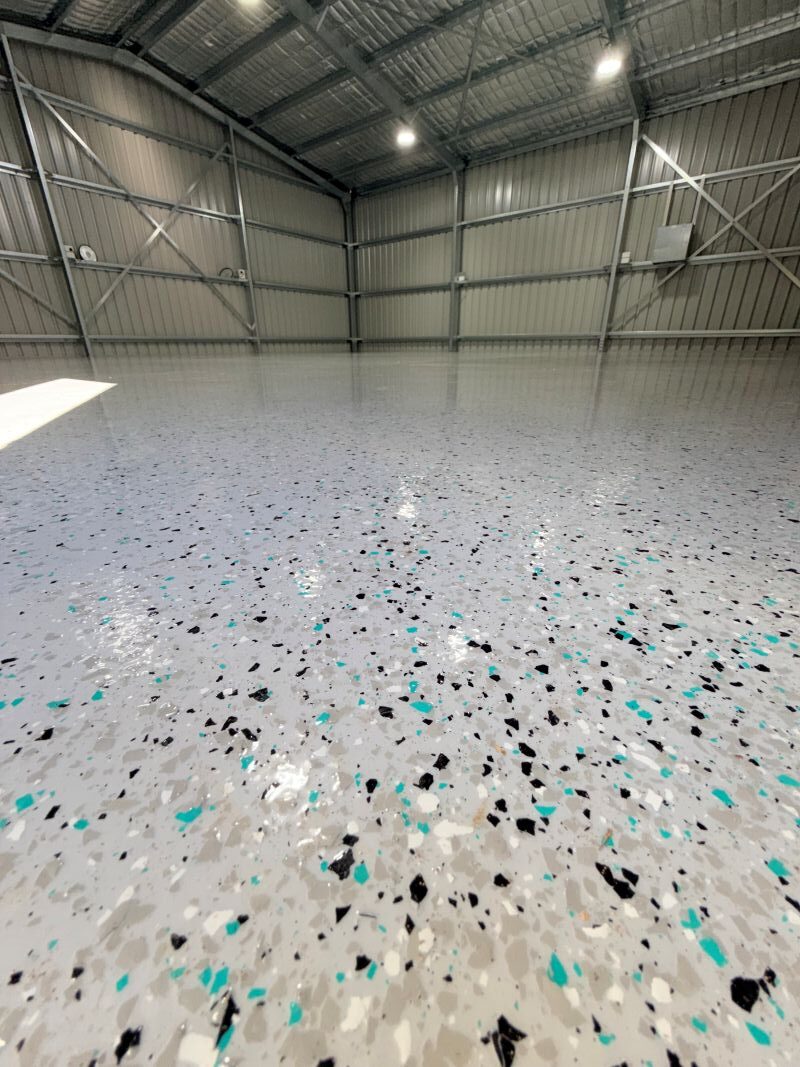
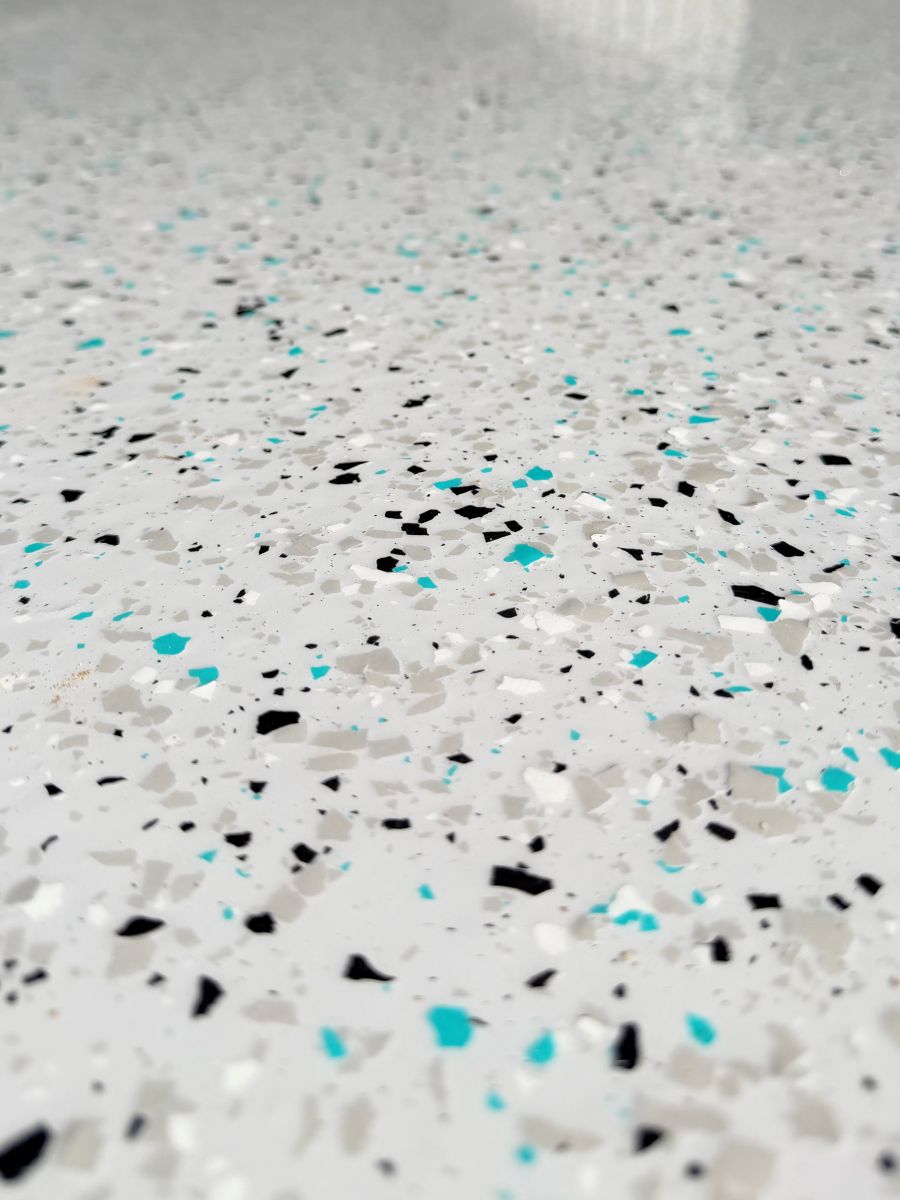
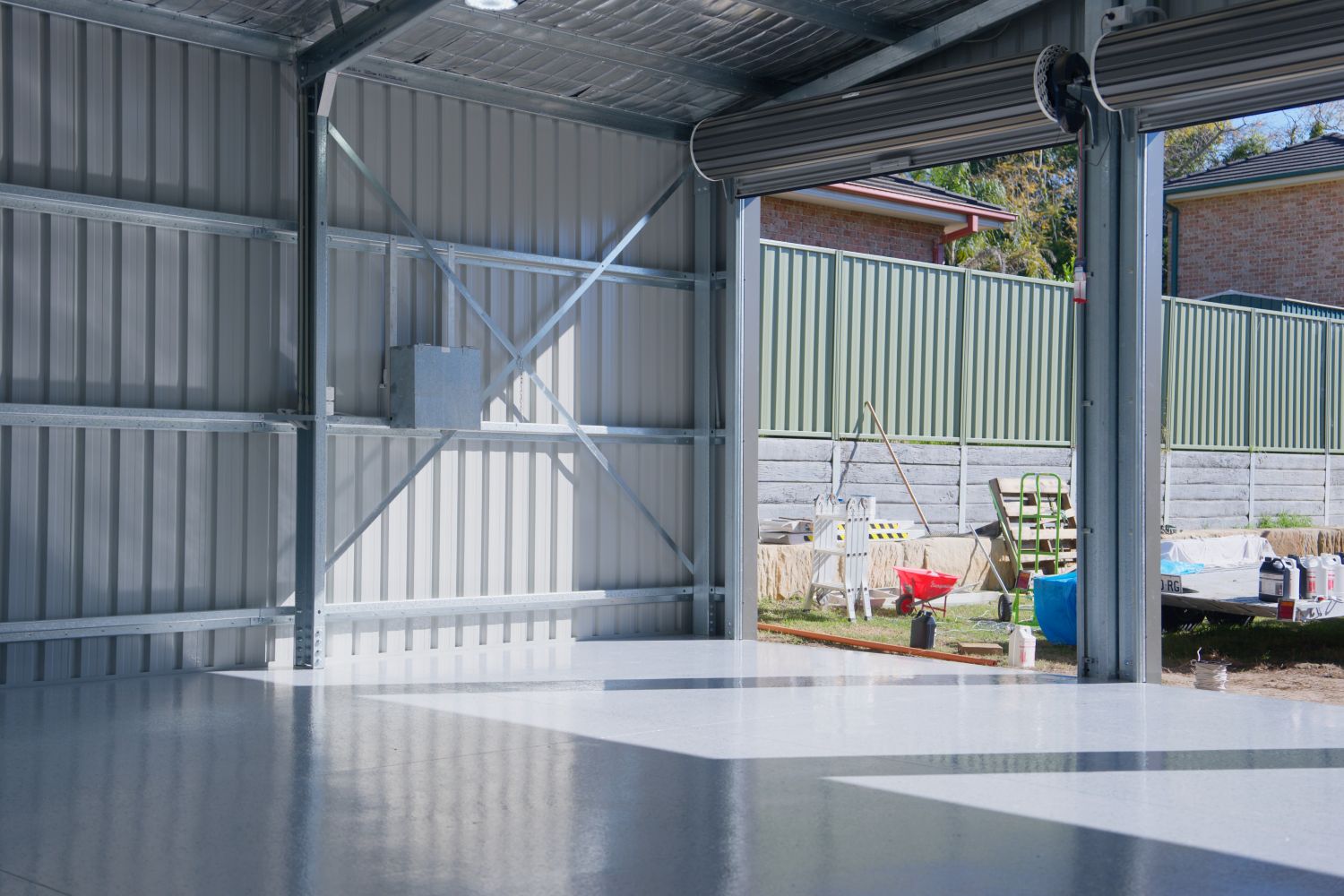
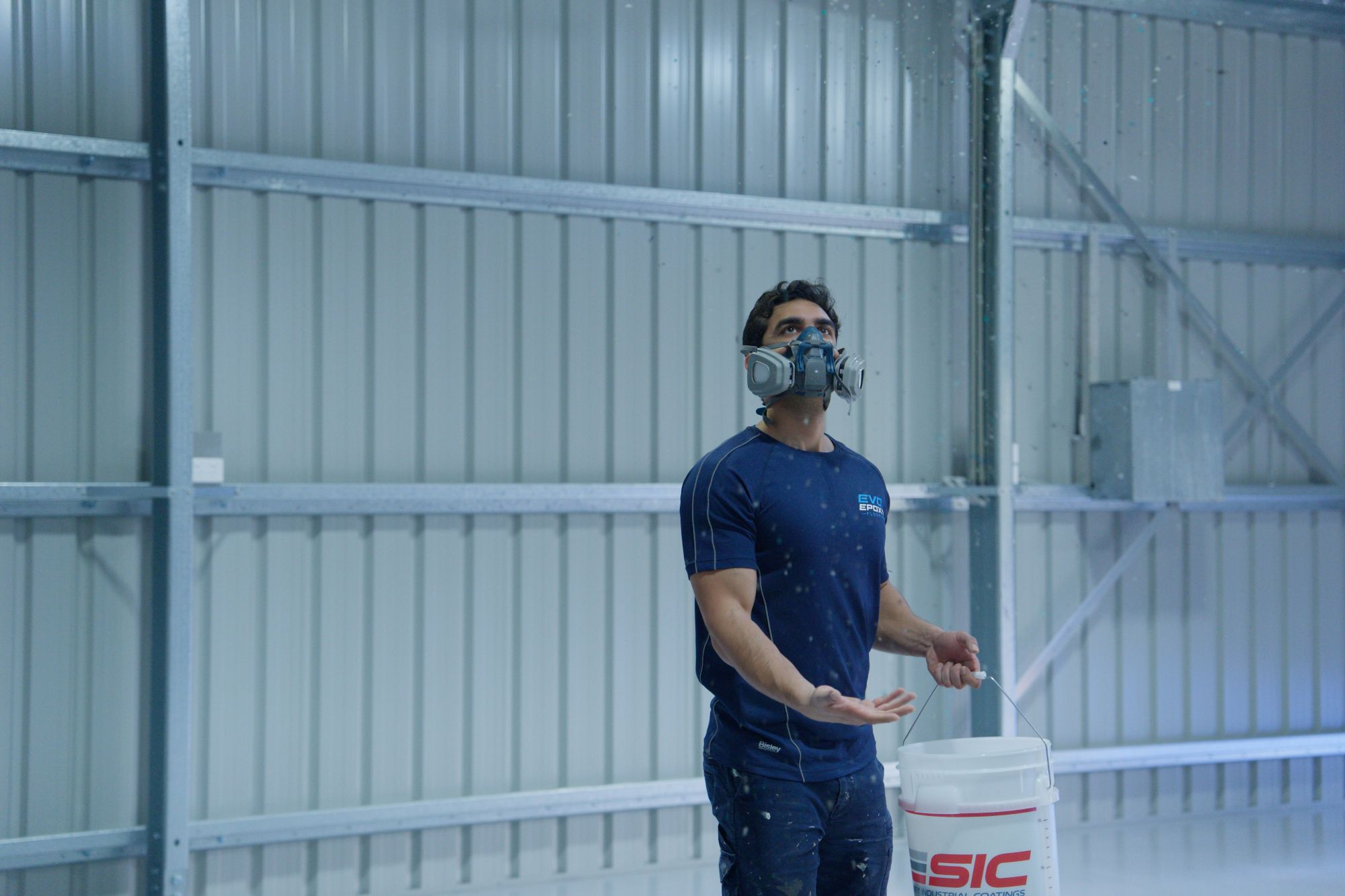
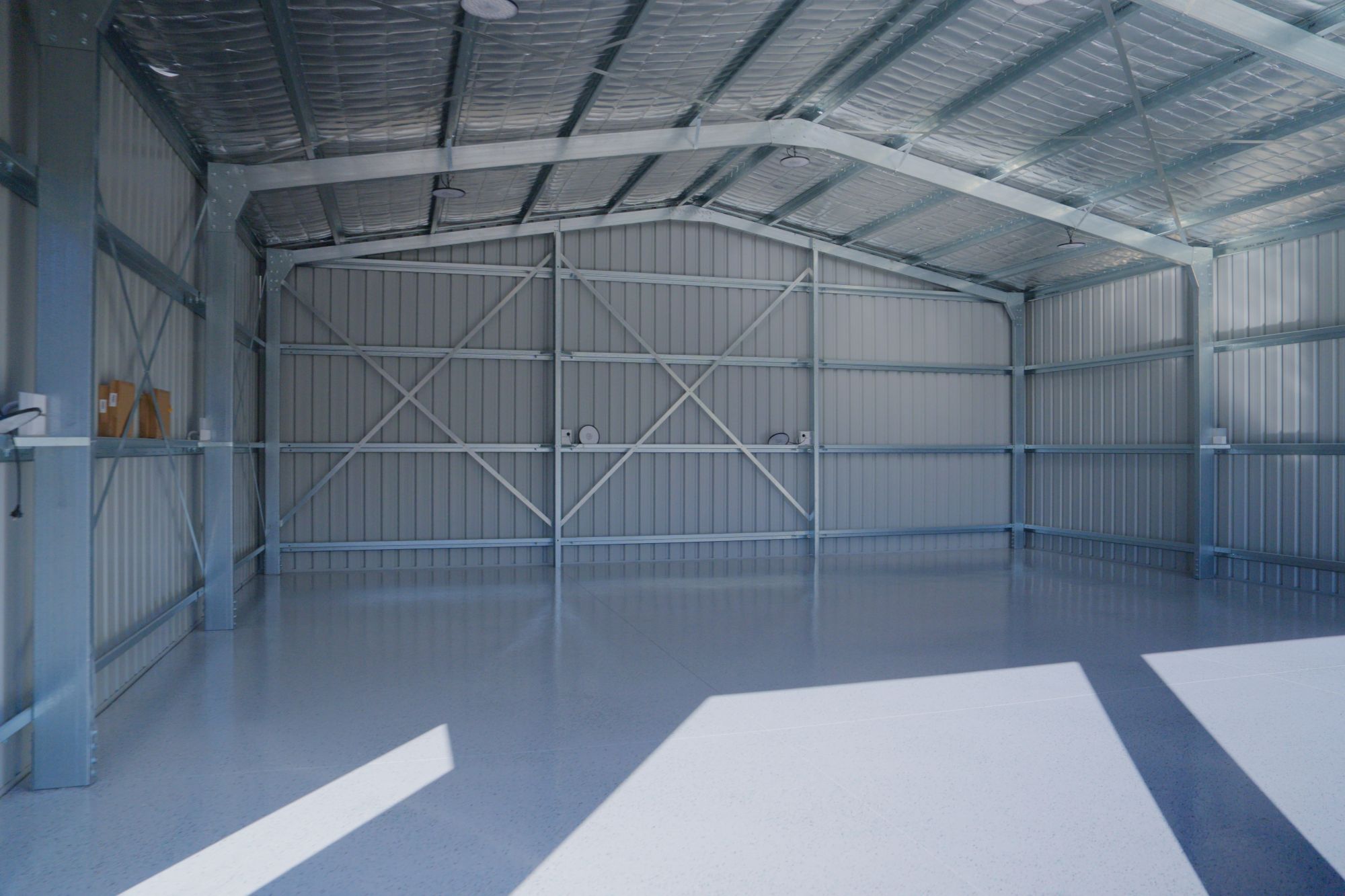
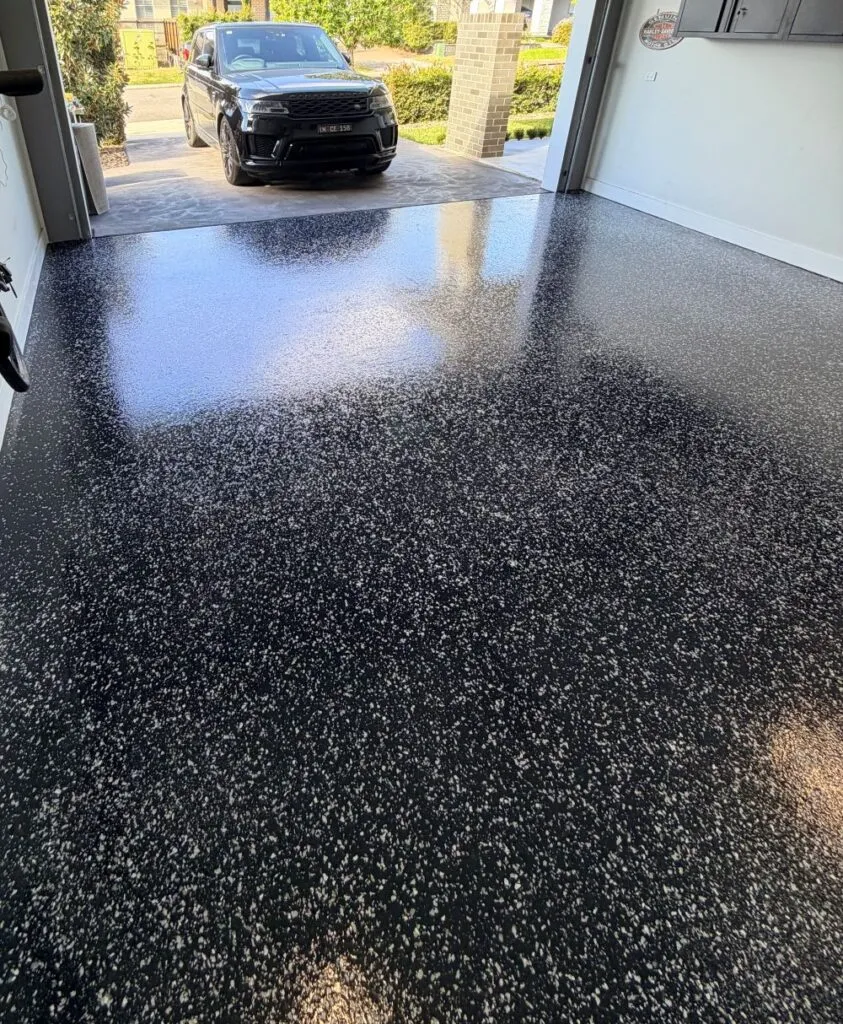
- Workshops and warehouses: the floor takes hard wheels, dropped tools and oil every day, so a flake epoxy floor is what we put down.
- Commercial kitchens and salons: these floors get washed down constantly, so they are sealed properly to stop water and product getting into the slab.
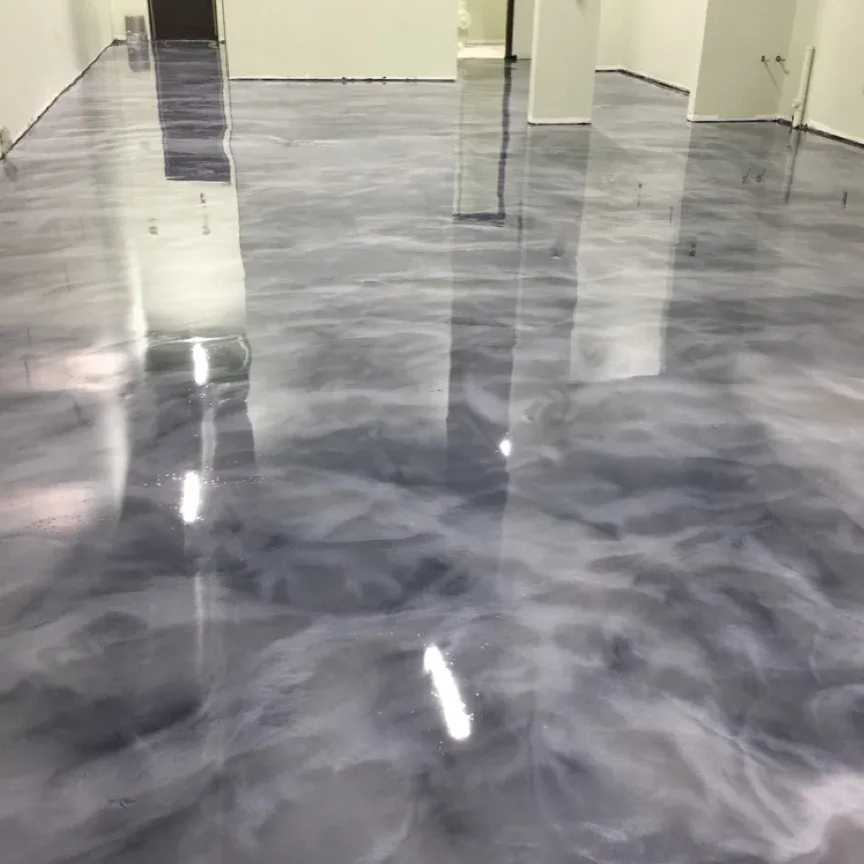
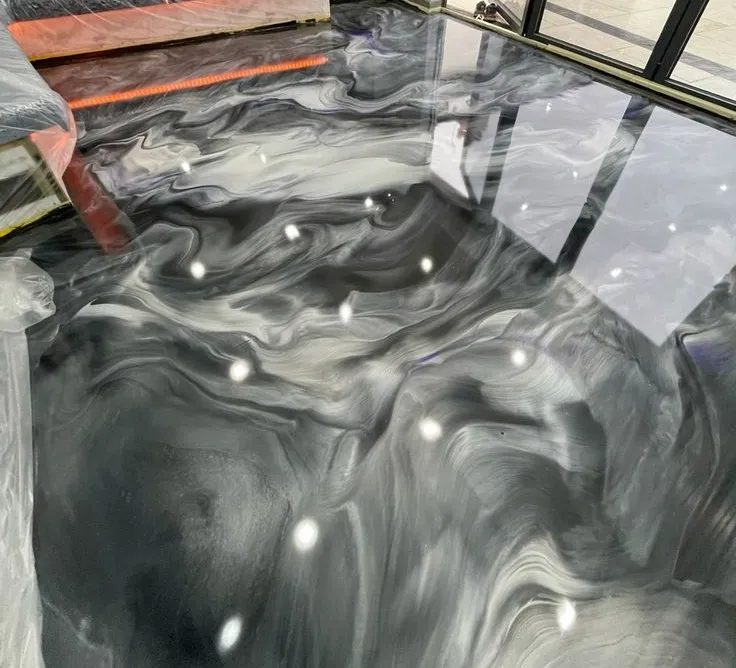
- Showrooms and shopfronts: customers see this floor. A metallic epoxy floor usually looks better in a showroom than a flat colour.
- Non-slip: we can work a grip additive into the top coat where the floor gets wet, so it still has bite underfoot.
- Chemical resistant: if the floor cops chemicals regularly, there are systems built to take it rather than soften off.
Sydney locals rate us 5 stars


What a commercial epoxy floor has to survive
A floor in a working business gets a much harder life than one in a house, and it gets it every single day.
- Forklifts and pallet jacks: hard wheels run the same lines every day, and that is where a bare slab wears through first.
- Spills and wash down: oil, coolant and detergent sit on a working floor a lot longer than anything would at home.
- Point loads: racking legs, pallets and dropped stock put a whole load onto a few small contact points.
Bare concrete wears down under all of that. It dusts, it stains and it pits along the wheel paths, and the dust it releases ends up in your stock and on your equipment.
Preparing a commercial floor already in use
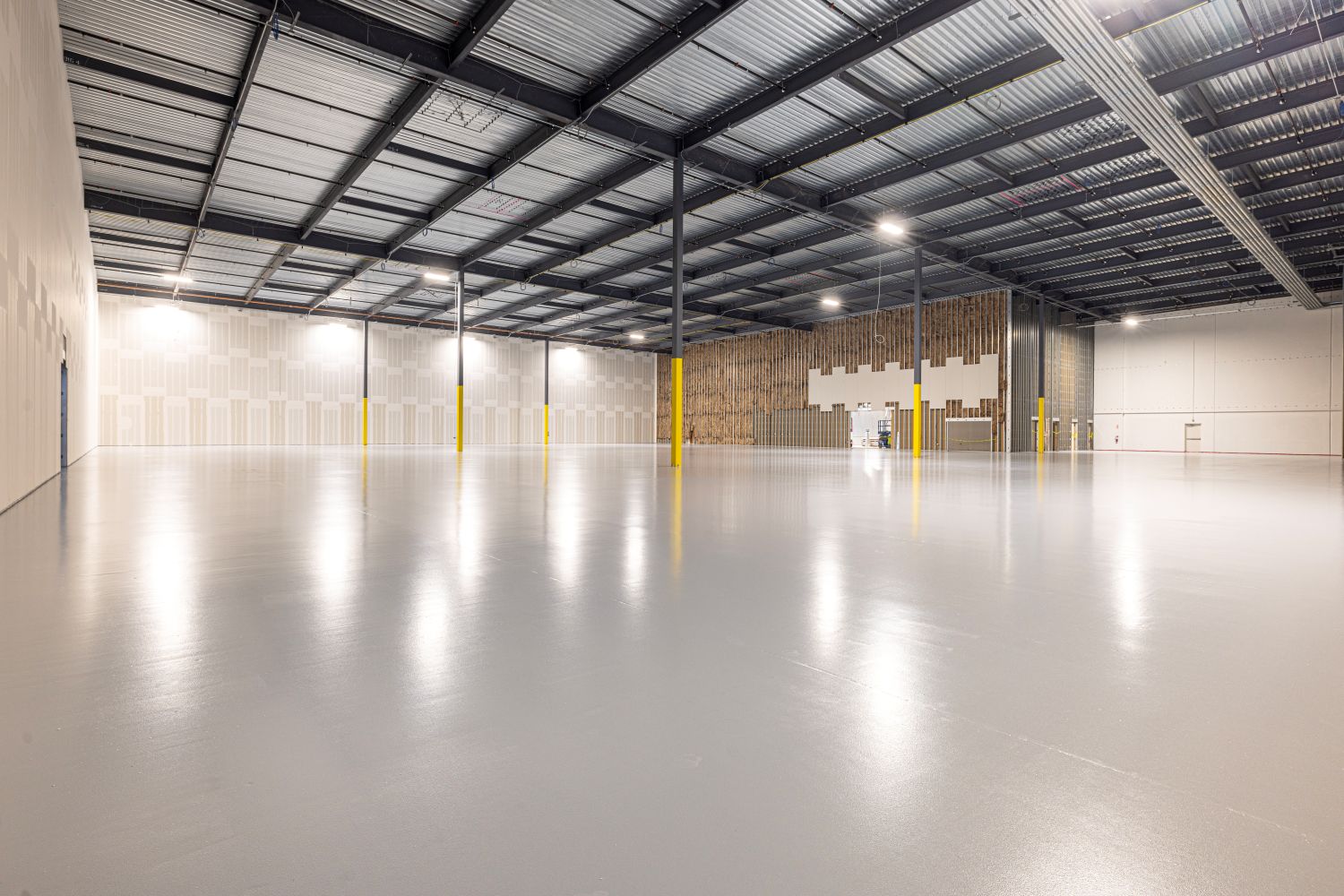
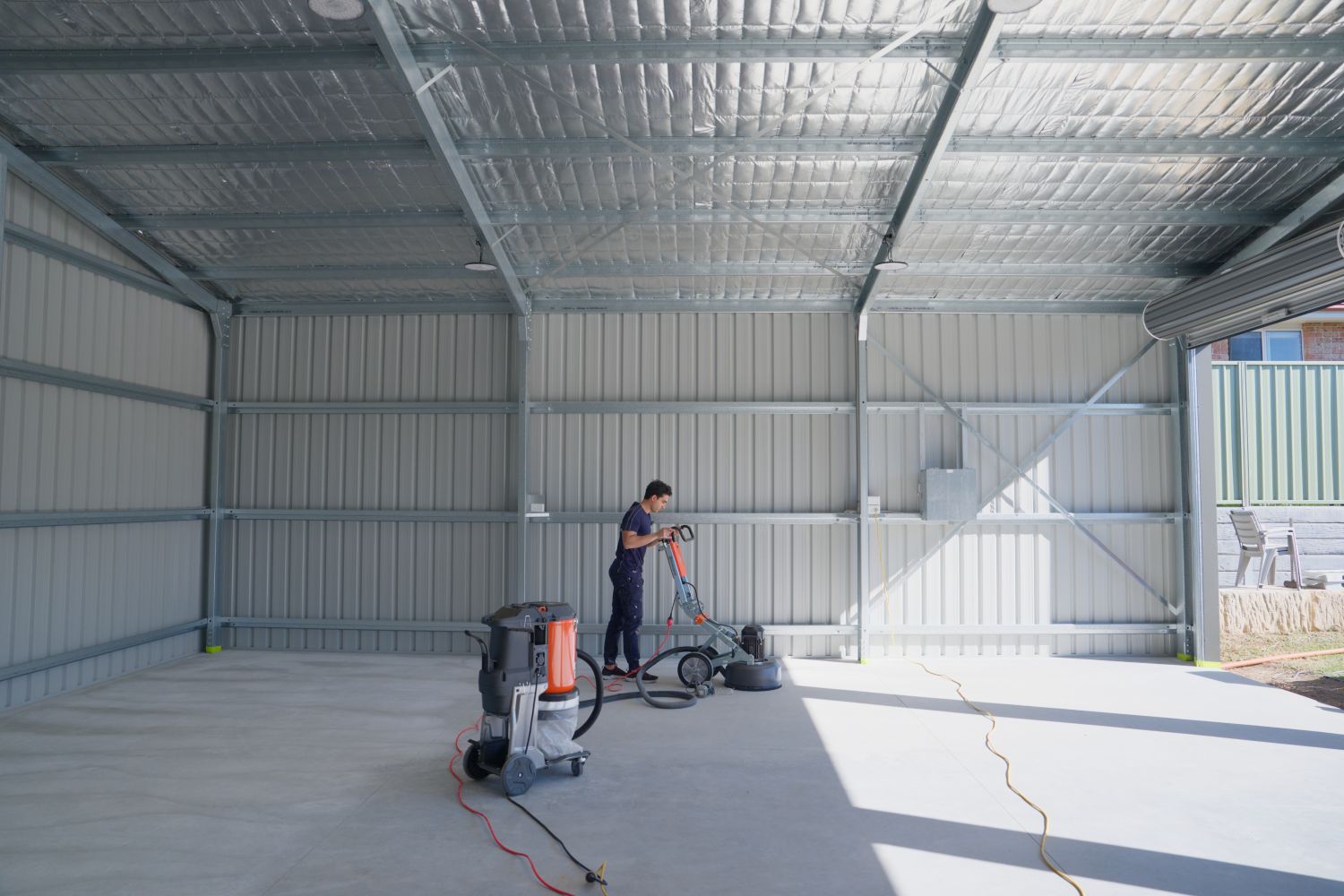
Preparation decides how long a commercial floor lasts, and a floor that has been in service is harder to prepare than a fresh slab.
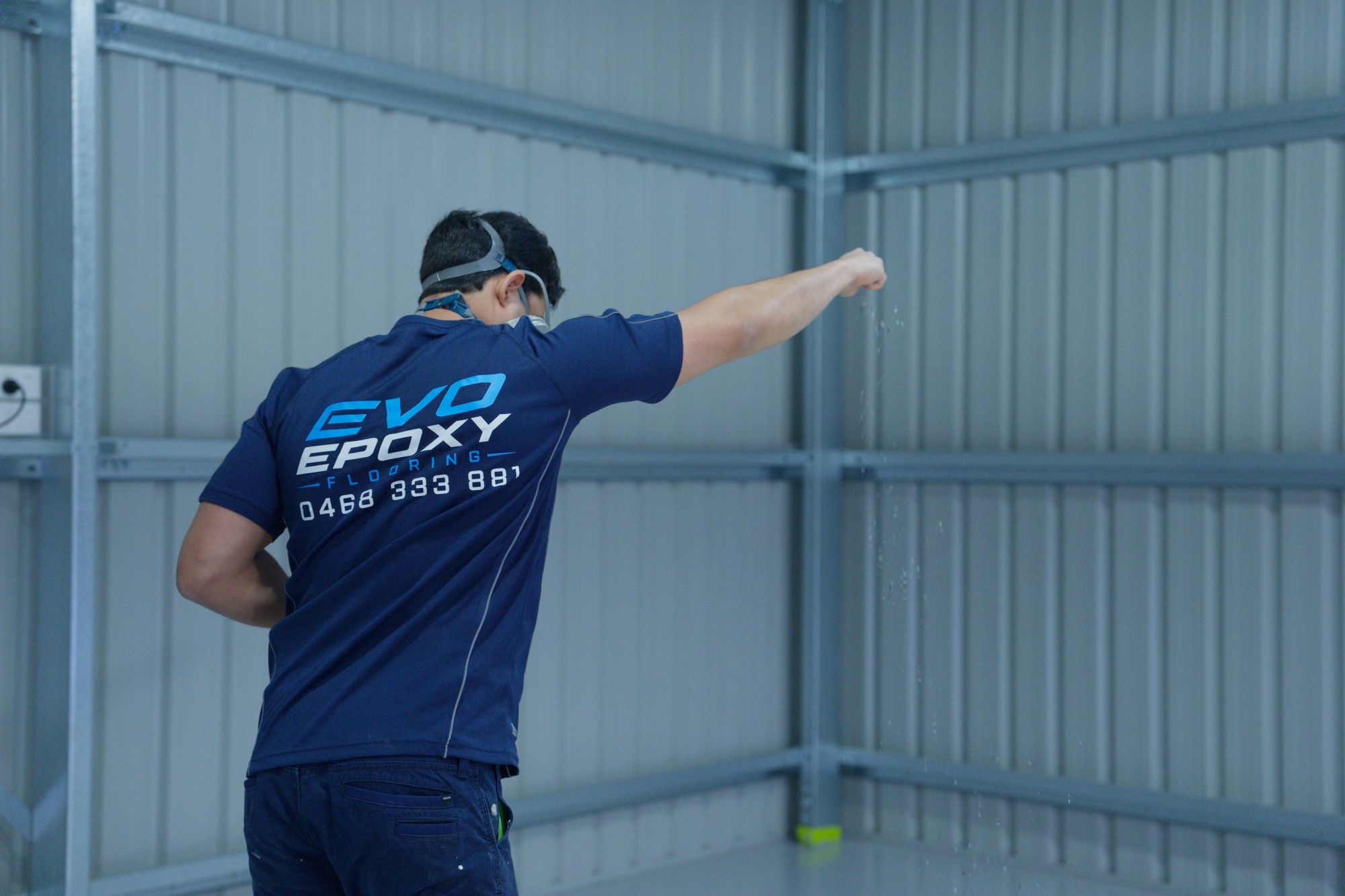
- Diamond grinding: the slab comes back to clean, open concrete so the primer can key into it.
- Crack and chip repair: cracks and chips are cut out, filled and sanded flush before anything is coated.
- Oil spots: these are ground out and treated separately, because degreasing only lifts what sits on the surface.
- Moisture test: we check the slab before choosing a system, since moisture rising through concrete will lift a sealed coating.
We prepare the slab by grinding the surface back to clean concrete, so the coating has something to key into. On a floor that has been working, that also means dealing with what is already in the concrete. Oil that has soaked in has to be drawn out and the contaminated surface taken off, because a coating will not bond to a slab full of hydraulic fluid. Old coatings that are failing have to come up rather than be coated over, and cracks, holes and spalled patches around the door line are filled and made good.
Line marking and floor definition
Line marking
Once a floor is coated, the line marking can go straight onto it. Walkways, pallet bays, racking footprints, keep clear zones around switchboards and doors, parking bays in a showroom, or a marked route from the customer entrance to the counter can all be set out as part of the work.
Non slip
A commercial floor has people moving on it while carrying things, and often moving on it while it is wet. Grip is a safety question rather than a finish preference, so the amount of texture is chosen for the space and how it gets used. A wash down area or a ramp needs more grip than a showroom does. More texture holds more dirt and takes more effort to clean, so there is a trade off, and we match it to what the space actually does rather than applying the same finish everywhere.
Wash downs & kitchens
Bare concrete is porous. Spills go into it, dust comes out of it, and no amount of scrubbing gets a stain back out once it has soaked in. A sealed floor has no open surface for any of that. Oil sits on top and wipes up, the slab stops generating dust onto your stock and equipment, and a mop or an auto scrubber goes over the surface instead of fighting it.
We bring samples out and look at them on site, under your lighting, before you decide. A colour that looks right on a small chip can read quite differently across a whole floor.
All 76 colours are set out on our epoxy flooring colours page, including which base coat each flake blend sits on.
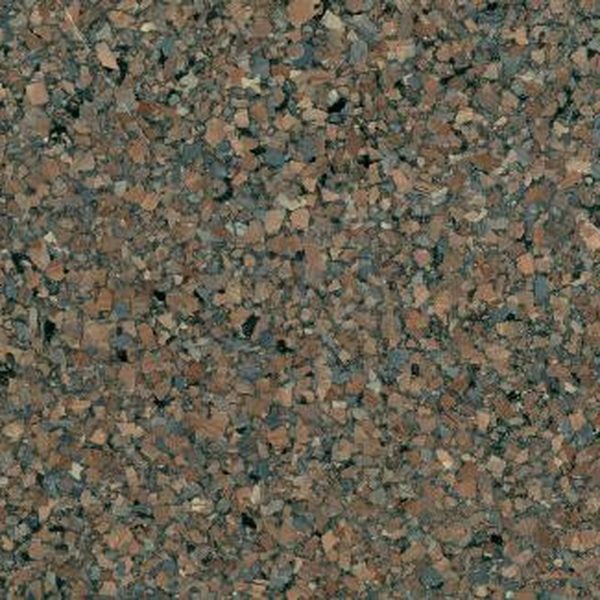
GARNET
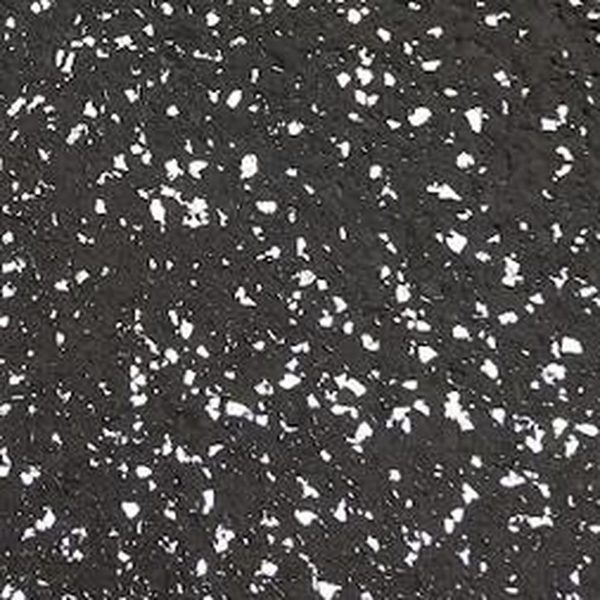
BLACK PEBBLE
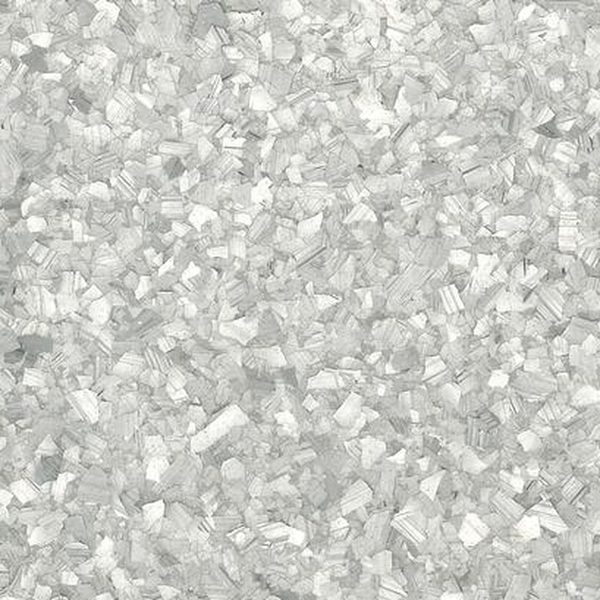
SCHIST
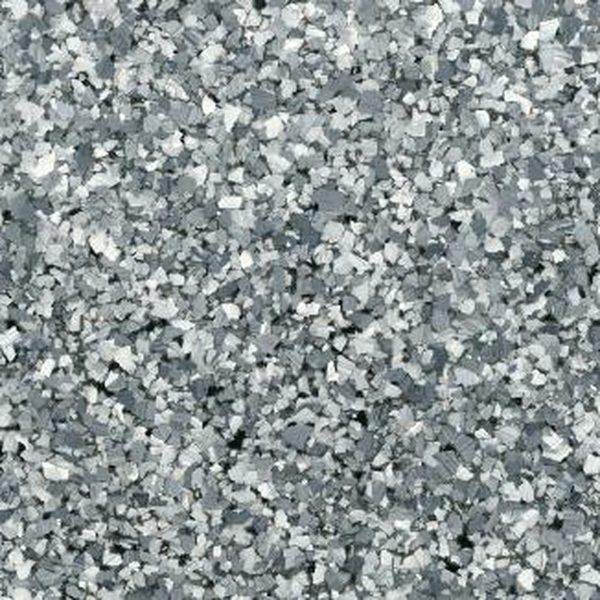
CLASSIC GREY
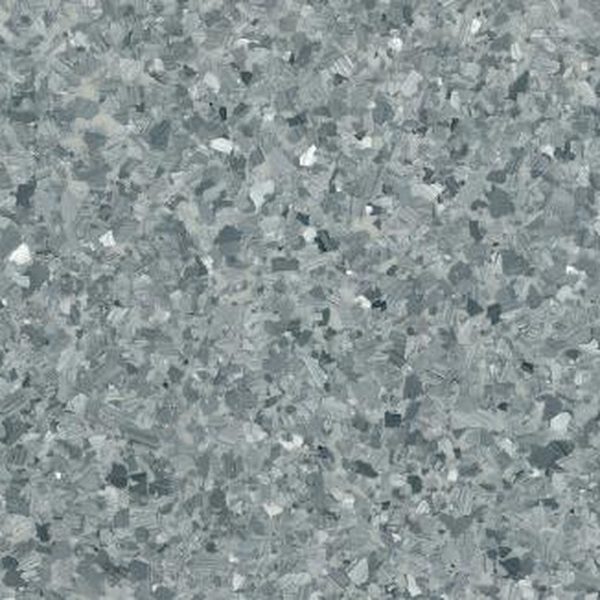
BASALT
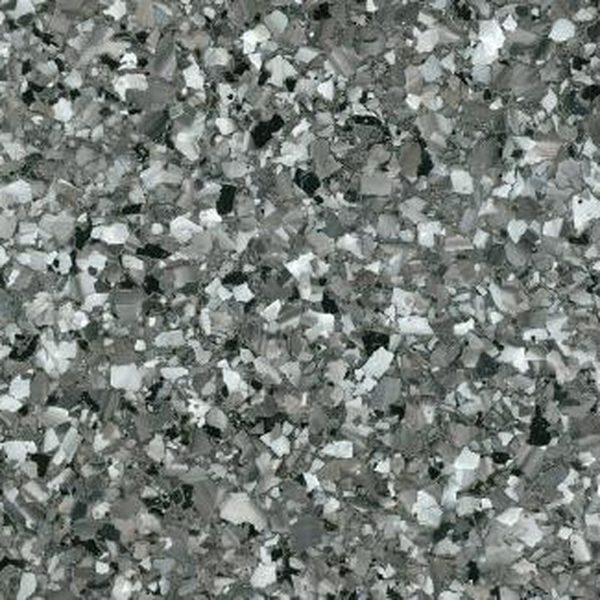
BLACK MARBLE LARGE
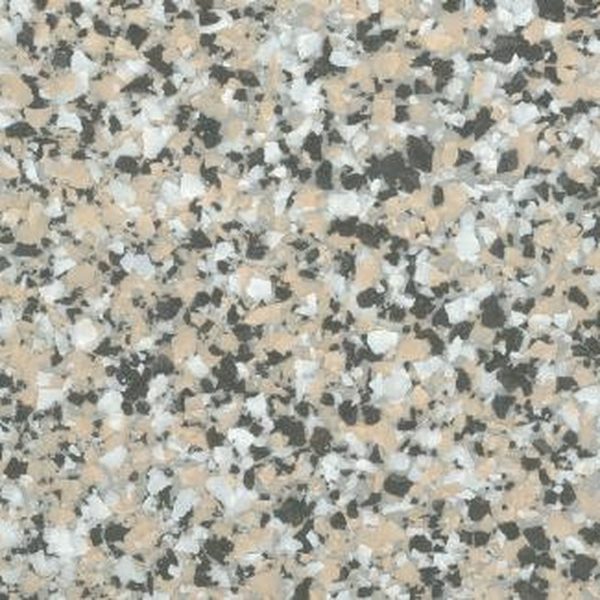
GREY WACKE LARGE
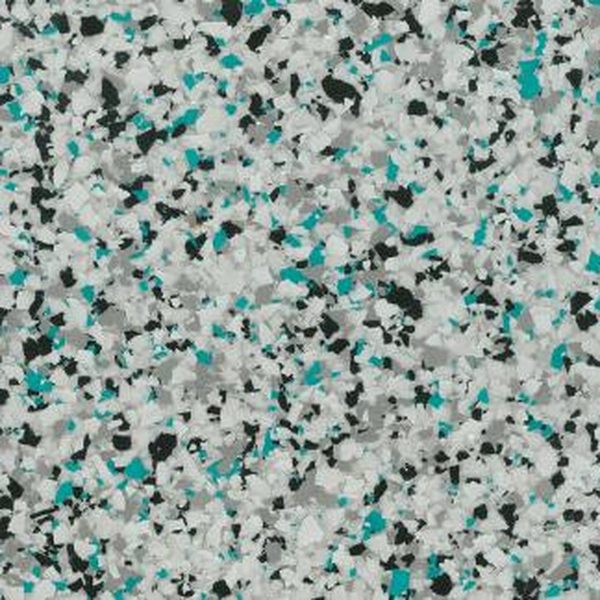
ASHEN TEAL
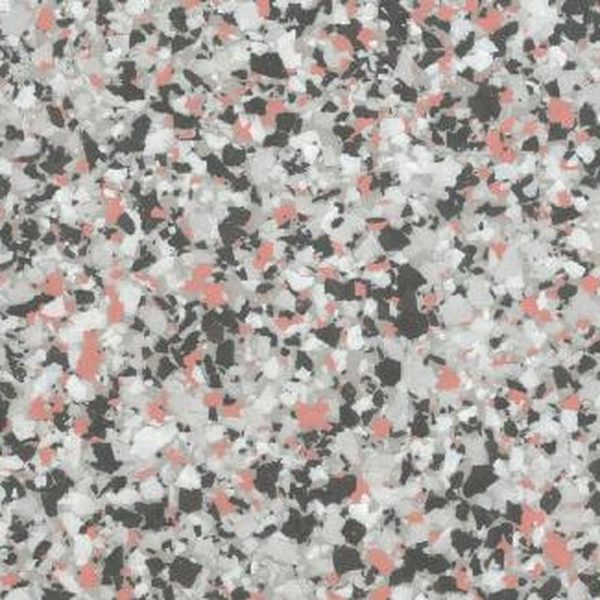
TERRACOTTA MARBLE LARGE
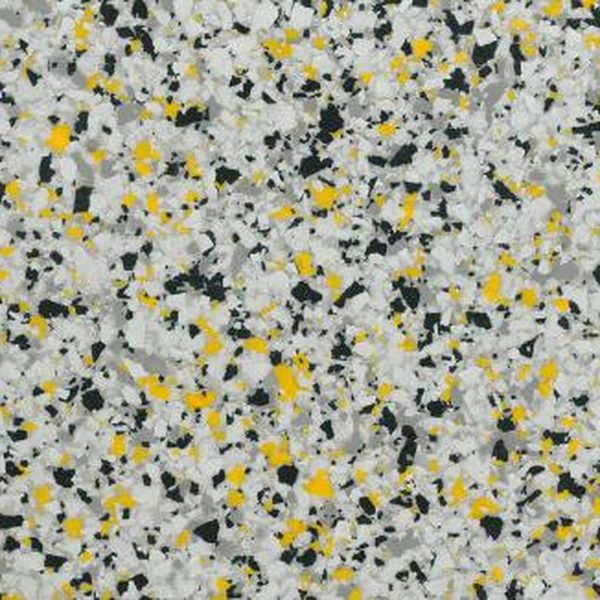
ASHEN YELLOW
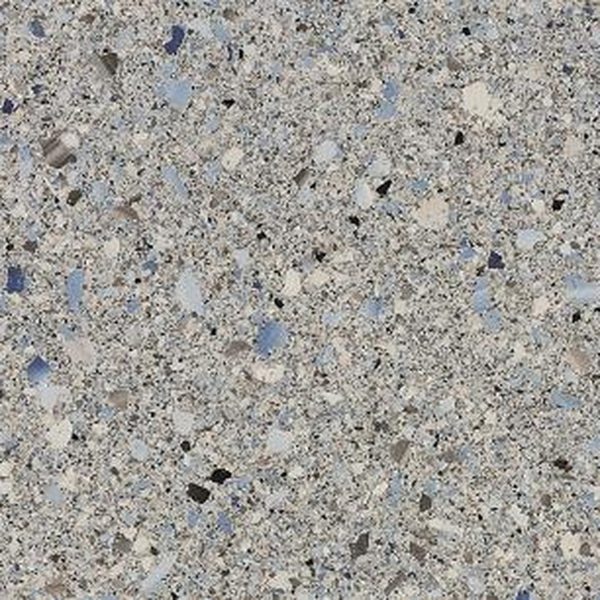
BLUE STONE
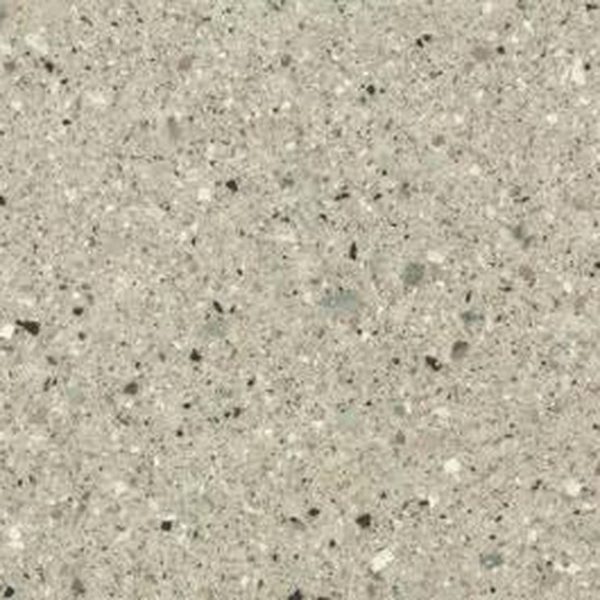
GREEN STONE
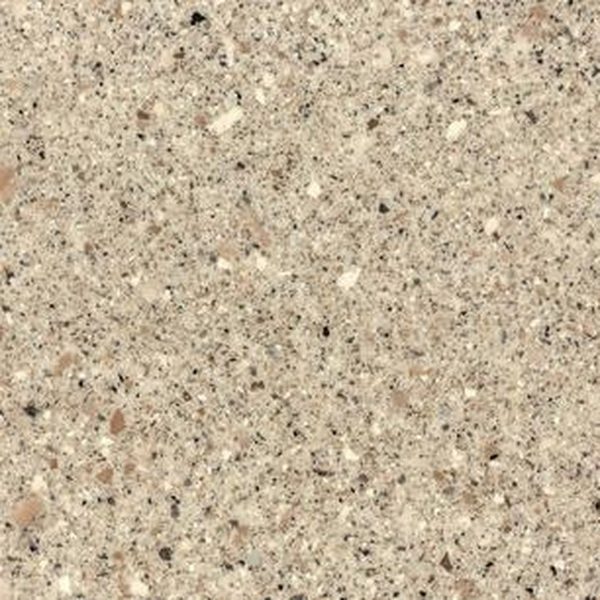
NATURAL STONE

FUNCTIONAL GREY
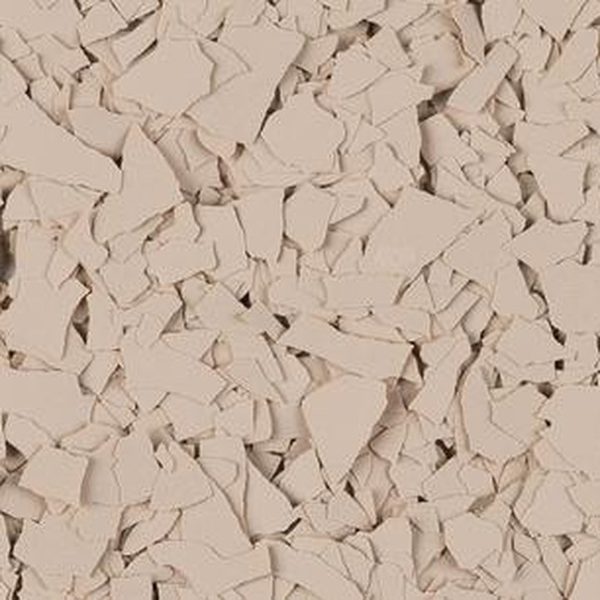
BEIGE

TEAL
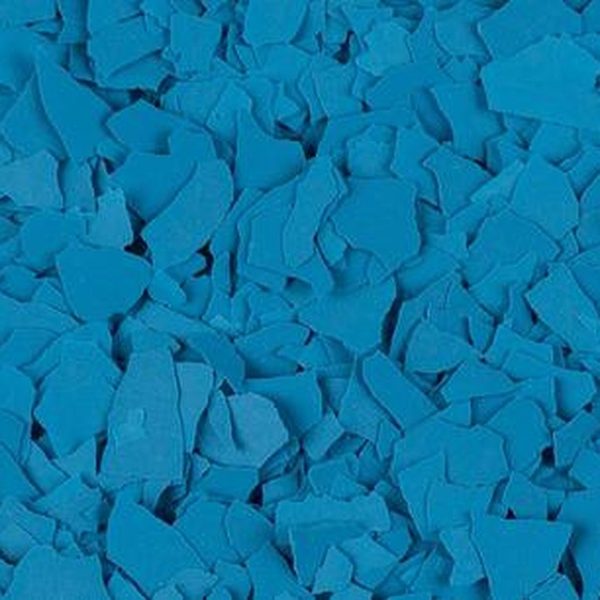
DELRAY BLUE
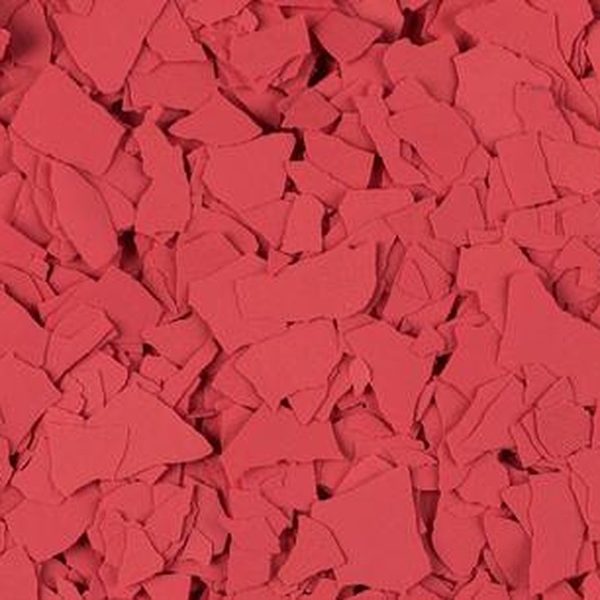
LIPSTICK RED

ORANGE

YELLOW
Coating a commercial floor without closing you down
Nobody running a business is weighing up a floor coating on the coating alone. They are weighing up how many days the workshop is not turning over, or how many days the shop cannot open.
That is the conversation we have first. Before anything is quoted we want to know when you trade, what has to keep moving while we are there, and what can be shut down. From there, there are usually three ways to do it.
- In sections: part of the floor stays in use while we move across, so you keep trading while we work.
- After hours: we work while you are closed, and the floor is back under you when you open.
- In a shutdown: if you already have a break booked, the floor goes down in a window you were closing anyway.
Whatever we agree on, you get the timings up front. A coated floor has to cure before it takes foot traffic, and it needs longer again before wheeled traffic goes back on it. Those windows depend on the product and the conditions on site, so we give you the real numbers for your floor and plan the sequence so nothing goes back on the floor too early.
From booking to finished floor
01
Site visitWe come out, look at the slab, test for moisture and talk through how the site is used. The quote follows the visit, not photos.
02
Written quoteThe quote sets out the preparation, the system, your finish and how many days we need on site.
03
Clearing outEverything comes out of the area before we start, racking and shelving included, and we give you notice.
How long it takes comes down to the slab and how big it is. A newer floor with sound, clean concrete moves quickly. A large older floor takes longer, and any cracks or chipped-out holes have to be filled and left to cure before anything goes over them. We work the staging out with you so the site keeps trading where it can.
Get a Free Quote
Tell us about the site and how it trades, and we will come back fast with an upfront price. Starting prices for commercial and residential floors are on our epoxy flooring price page.
0468 333 881sales@evoepoxy.com.auFree on-site quote, fixed written price
Work staged around your trading hours
Diamond grinding with vacuum extraction
Line marking, wheel stops & bollards
7-year written product warranty
Perfect for
Warehouses & storageMechanical & trade workshopsCommercial kitchensShowrooms & shopfronts
We work out of Kellyville and cover Castle Hill, Kellyville Ridge, Bella Vista, Norwest, Baulkham Hills, Rouse Hill, Beaumont Hills, Glenhaven, Dural, Kenthurst, Box Hill, Stanhope Gardens, Glenwood, Parklea, The Ponds, Schofields, Winston Hills, Seven Hills, Northmead and Marsden Park.
We reply to every enquiry within one business day
Frequently asked questions
Can you work around our trading hours?
Yes. The work gets staged around when you trade, so the floor can go down in sections or outside business hours where that is what the site needs. We plan the staging with you before anything starts, so you know which areas are out of use and when.
How long before we can use the floor again?
Foot traffic comes back well before vehicle and forklift traffic, because the coating keeps hardening after it feels dry to walk on. How long depends on the system going down and the conditions on the day, so we confirm the actual dates once we have seen the floor.
Can you coat a floor that already has oil and years of traffic on it?
Usually yes, and a floor that has been in use is normal for us. Oil contamination has to be dealt with before anything goes down, and the slab is ground back so the coating bonds to clean concrete rather than to whatever is sitting on top of it.
Do you do the line marking as well?
Yes. Walkways, pallet bays, exclusion zones and safety markings go down as part of the same job, so there is no second trade to book in afterwards and no waiting for someone else to come back.
Evo Epoxy Flooring2 Affleck Cct, Kellyville NSW 2155Servicing the Hills District & North West Sydney0468 333 881Get directions
Ready to talk commercial epoxy flooring?
Free on-site assessment and a fixed written quote, planned around the hours you trade.