

FLAKE EPOXY FLOORING SYDNEY
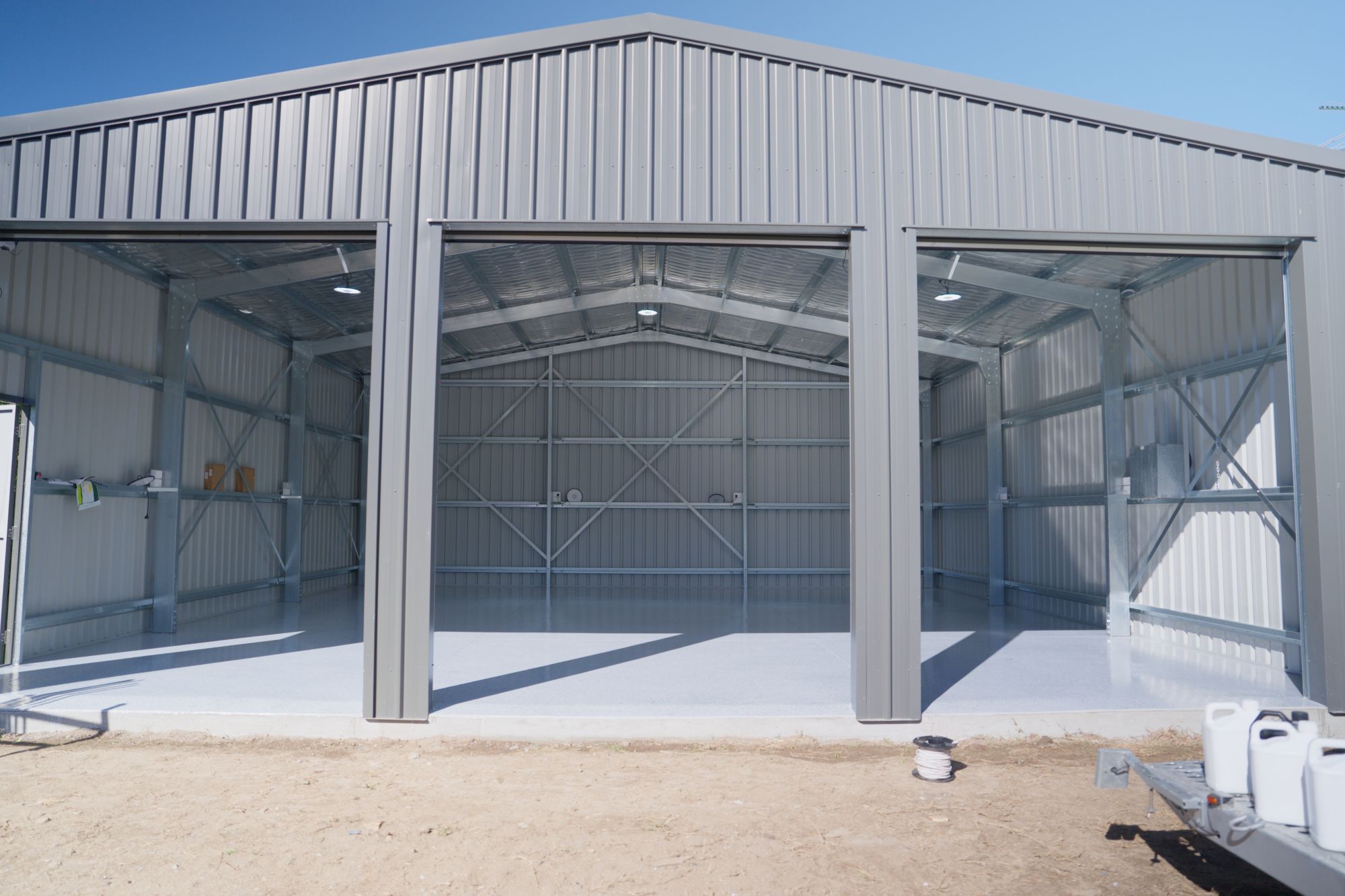
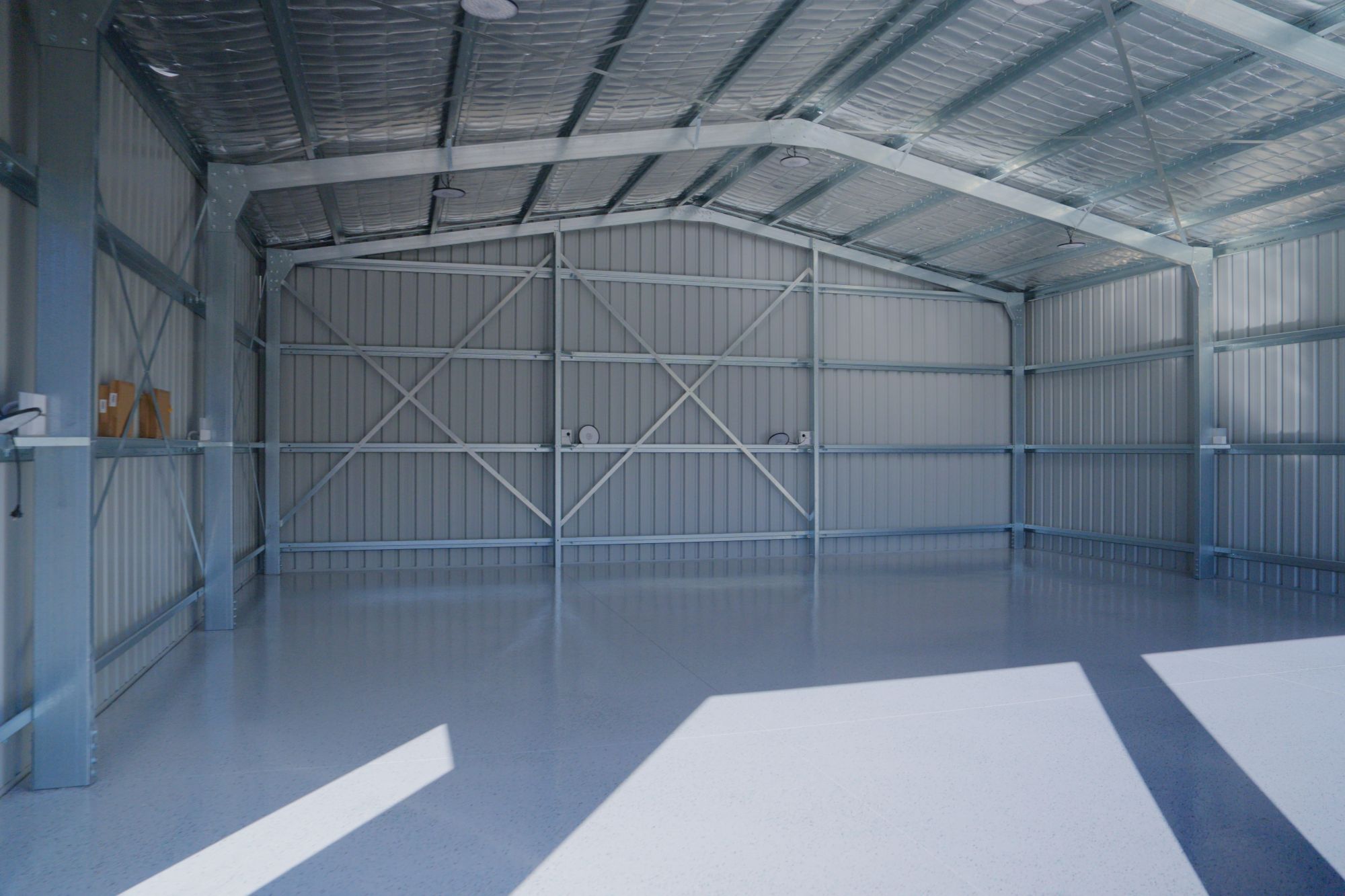
Flake epoxy floors for garages, sheds and workshops across the Hills District, North West Sydney and greater Sydney. There are thirty-two blends to choose from, and it is the finish most garage customers end up choosing.
Is a flake epoxy floor right for your garage?
For most Sydney garages it is, and it is the floor Evo Epoxy lays more than any other. The pattern hides scuffs and drips, the texture gives you grip underfoot, and the sealed surface stops the slab holding dust the way raw concrete does.
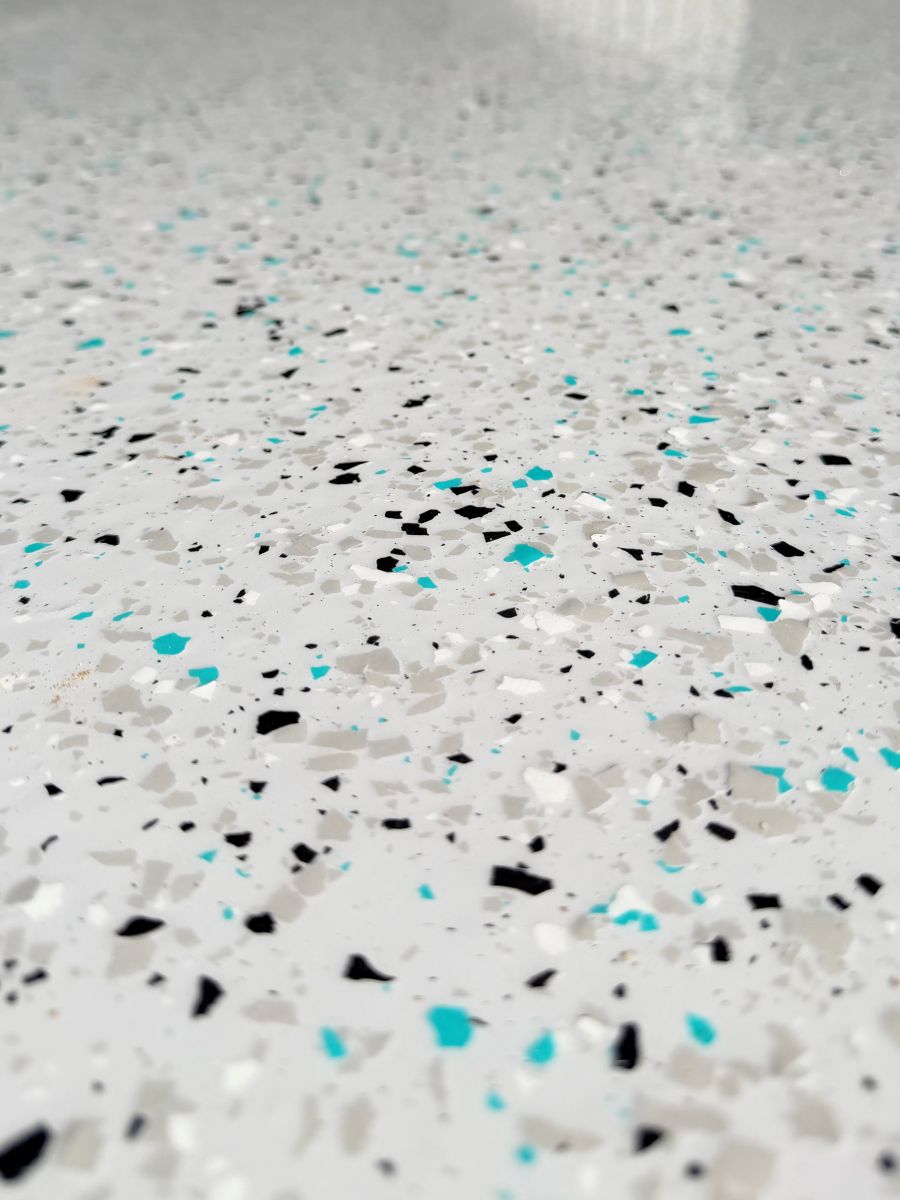
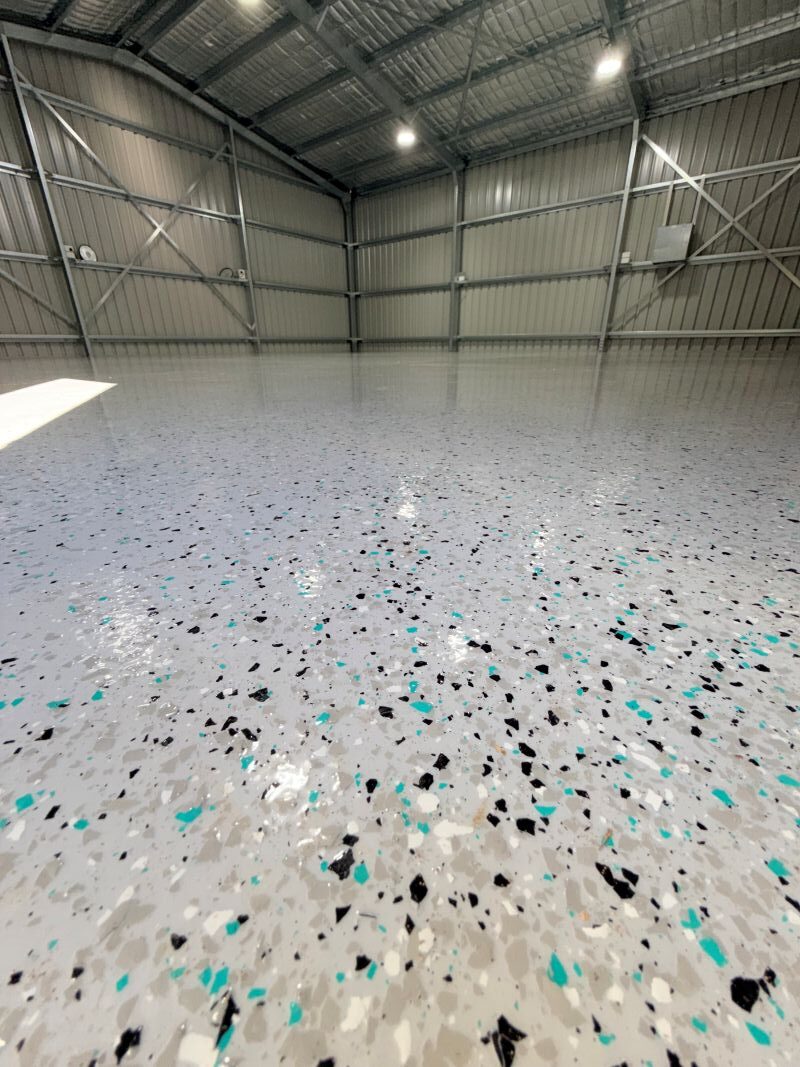
A flake epoxy floor is built in layers rather than painted on. A coloured base coat goes down, vinyl flake is thrown into it by hand while it is still wet, then the whole floor is scraped back and sealed under a clear polyurethane sealer. The flake is suspended inside the coating, so it wears the way the coating wears rather than sitting on top where it could be scratched off.
Sydney locals rate us 5 stars


What a flake epoxy floor is
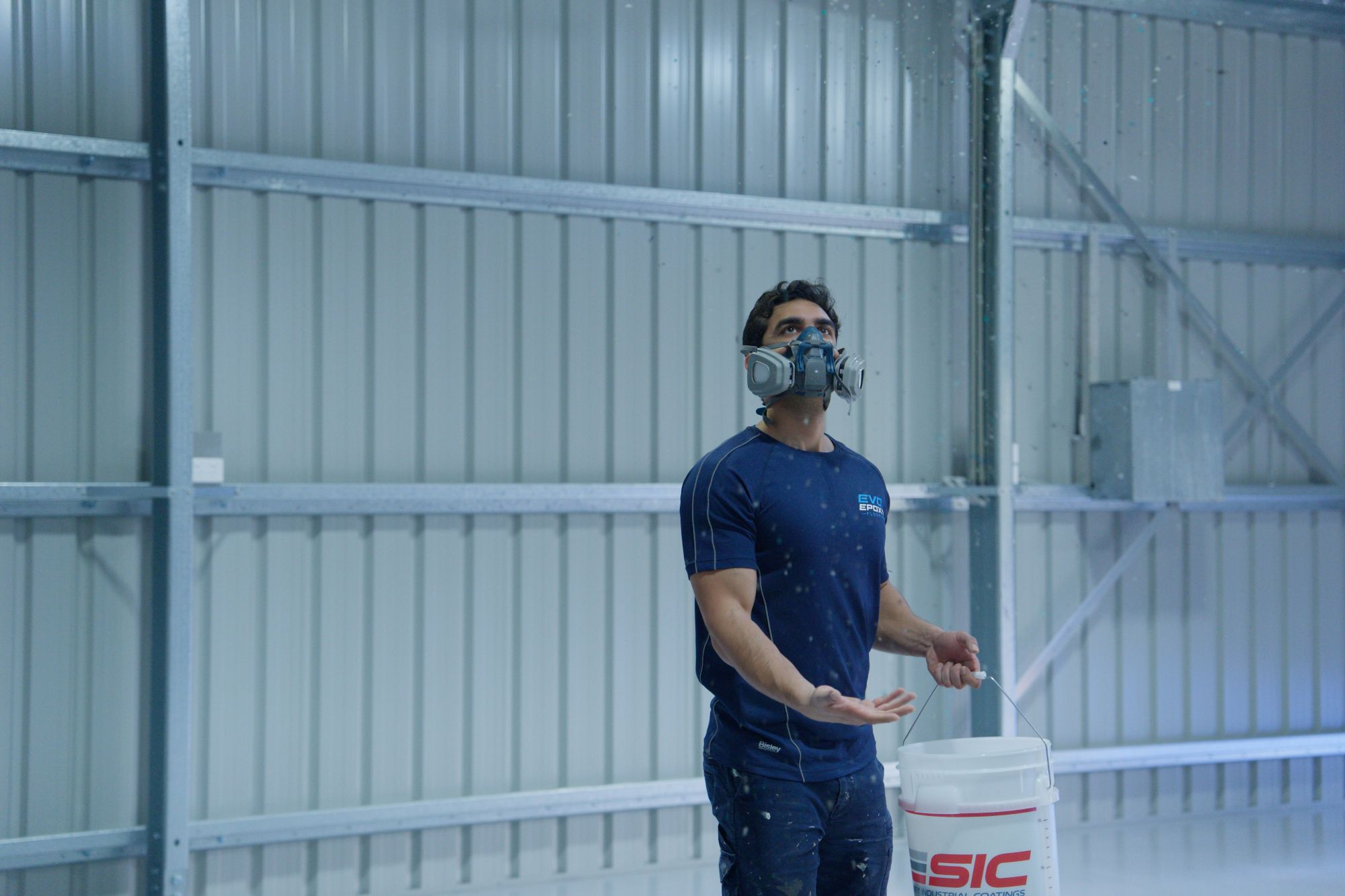
A flake epoxy floor is built up in layers on top of your existing concrete slab. It starts with a coloured base coat of epoxy. While that base is still wet, coloured vinyl flake is thrown into it by hand so the chips land, settle and stick. Once the base has cured, the surface gets scraped back to knock off any sharp edges, and then the whole floor is sealed under a clear polyurethane sealer.
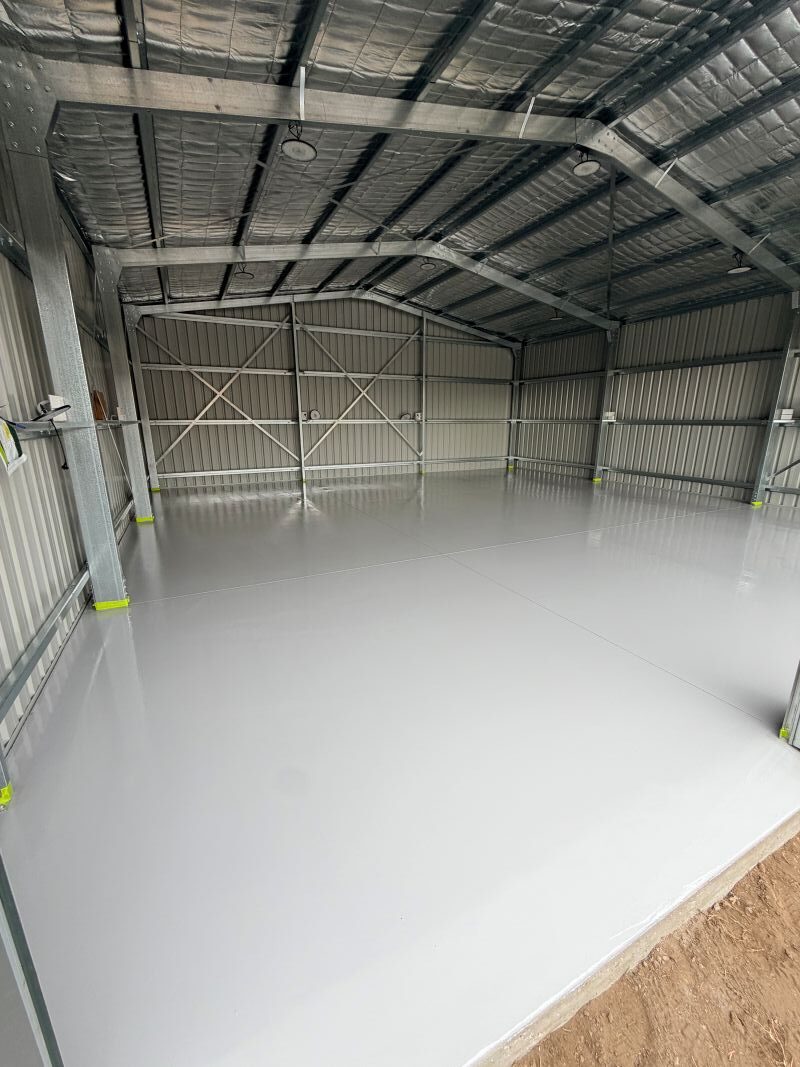
What that means for you is a solid, sealed surface with texture and pattern built into it, rather than a coat of paint sitting on bare concrete. The flake is suspended inside the coating, so it wears the way the coating wears.
The flake itself is a thin chip of coloured vinyl. It comes in different sizes, from small specks that read almost like a speckled stone, up to broad chips that give you a chunky, obvious pattern. Most garage floors sit somewhere in the middle. The size of the chip changes the look far more than most people expect, so it is worth looking at a sample in daylight before you settle on anything.
How we lay a flake epoxy floor, starting at the concrete
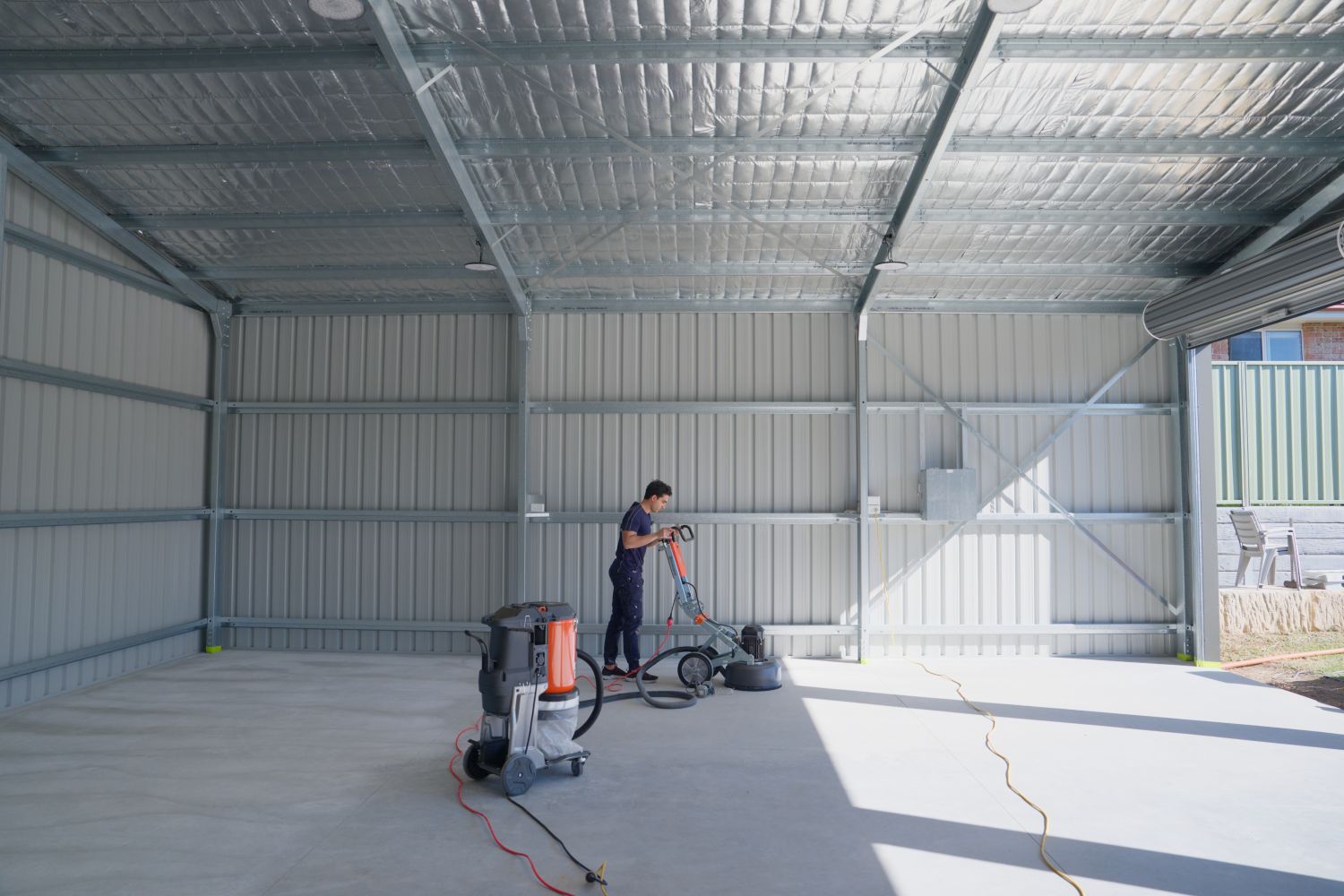
Most of the work happens before any resin goes down. Concrete looks flat and clean, but the top skin of a slab is usually closed off and often has a curing agent or old sealer sitting on it. If you coat straight over that, you are gluing the floor to a layer that was never going to hold.
- The slab is checked for moisture first. APC asks for concrete that is at least 28 days old with moisture below 4 percent before anything goes on.
- Then it is ground back to clean, open concrete, which gives the epoxy something to key into and takes off old paint, glue or adhesive residue.
- Chips, gouges, control joints and cracks get filled and made good once the surface is open.
- Oil stains are dealt with properly, because oil sitting in the pores of the slab will keep pushing back against a coating.
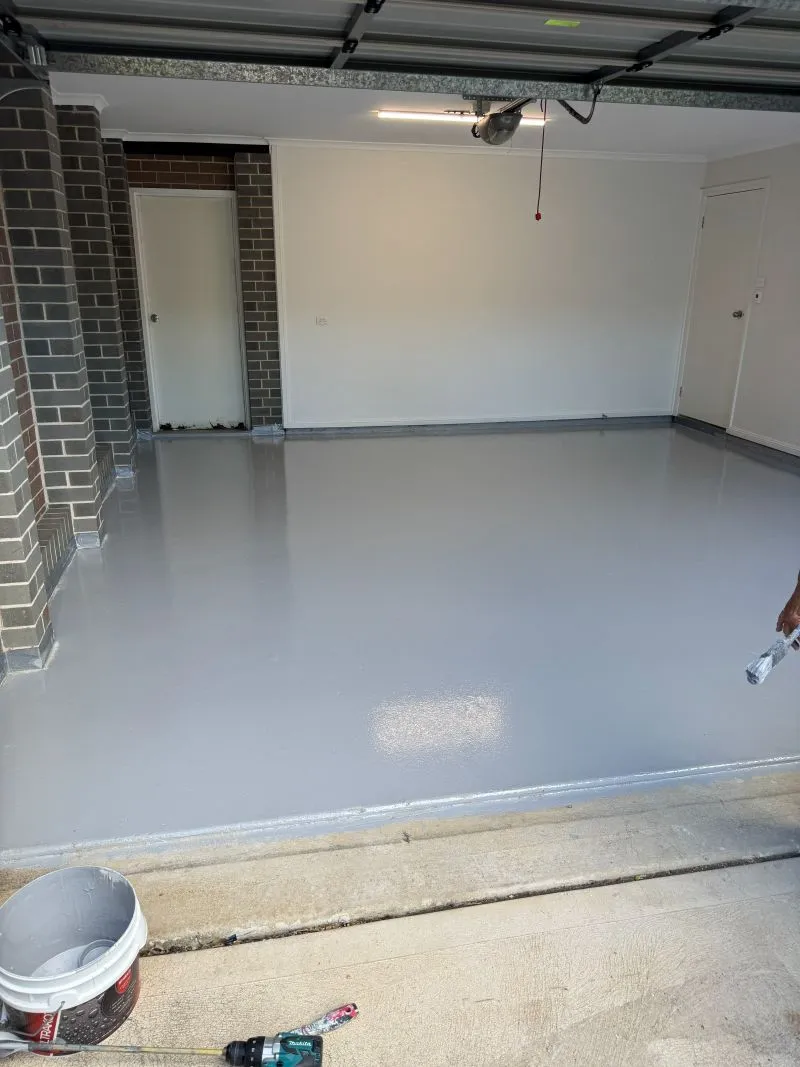
After that the primer and base coat go down, the flake is broadcast into it, and the floor is left to cure. Then it is scraped, vacuumed and sealed. A standard garage is done in a day on site, with bigger floors running two or three, and Evo's working figure is 72 hours before the car goes back in. The coat by coat figures are in the questions at the bottom of the page.
A single garage flake epoxy floor starts from $1,800 and a double garage from $2,500, with the preparation, crack filling, primer, base coat, flake and sealer all included. Moisture in the slab, a lot of cracks to fill, or old paint that needs a second round of grinding move the price, and we confirm the figure in writing at the free on-site quote. You can see what epoxy flooring costs for every floor type on one page.
We are happy to talk through the state of your slab before we quote it. An older Hills District garage with a patched slab and a few oil stains is a different floor to prepare than a new build in Box Hill or The Ponds where the concrete has never had anything on it.
Choosing your flake epoxy floor colour and blend
The flake itself is coloured vinyl, cut in sizes from nano through small and large to jumbo, and small or large is the usual choice for a garage. APC rates a 4.5 kilogram box of small or large flake at 12 to 15 square metres at full coverage, so a typical 6 metre by 6 metre double garage takes about three boxes.
Coverage changes the look
Heavier flake coverage gives a dense, uniform pattern where the base colour barely reads, while lighter coverage leaves more base showing and the whole floor looks calmer.
Chip size changes the scale
Small chips look like texture from standing height, larger chips look like a pattern.
Garage lighting shifts everything
A blend that looks crisp on a sample board in the sun can look flatter under a single fluorescent batten, so think about the light in the actual room.
Flake is sold as a blend, which just means a mix of chip colours combined in set proportions. A blend might be built mostly around greys with a bit of white and black through it, or lean warmer with tans and creams. The base coat colour underneath shows through the gaps between the chips, so the base changes the finished result even though you never see it directly. The base is tinted from APC's range of 206 AS2700 colours, the standard Australian colour system, so it can match a render or a garage door.
These are the thirty-two pre-mixed blends we work with. Every one is listed with the base coat it sits on over on the epoxy flooring colours page, and you can try combinations yourself in the interactive epoxy visualiser.
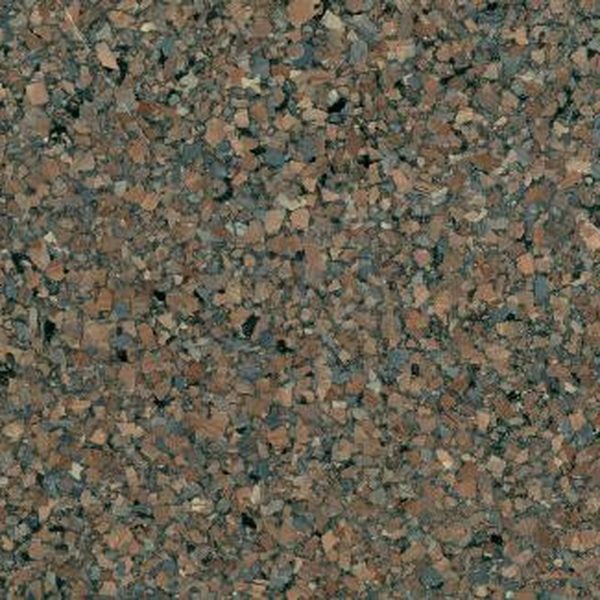
GARNET
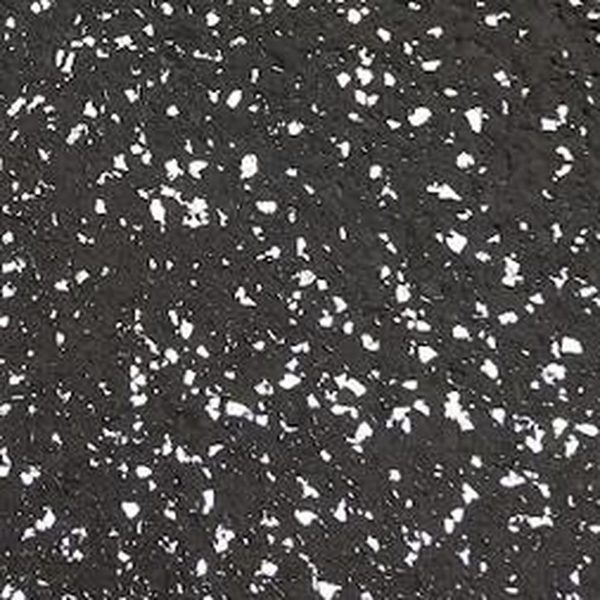
BLACK PEBBLE
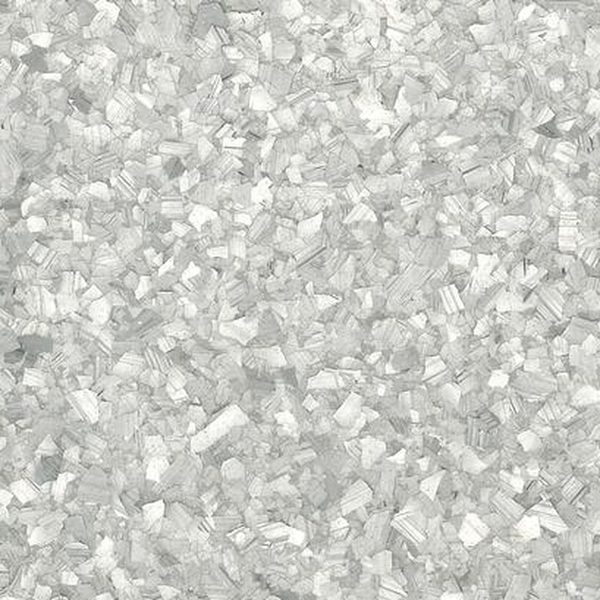
SCHIST
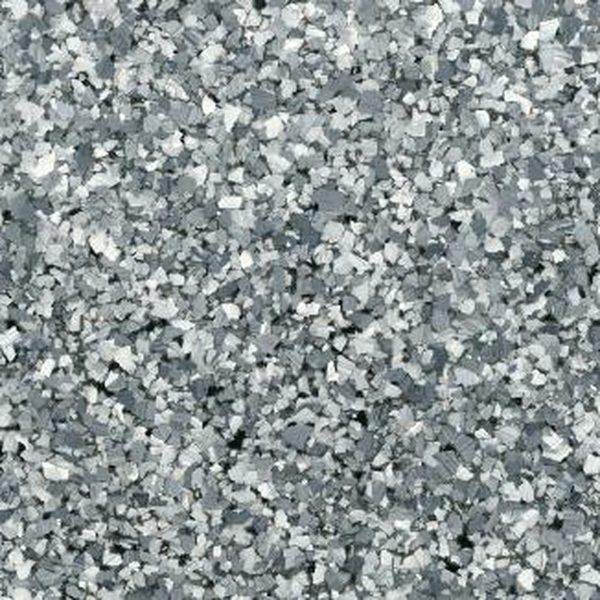
CLASSIC GREY
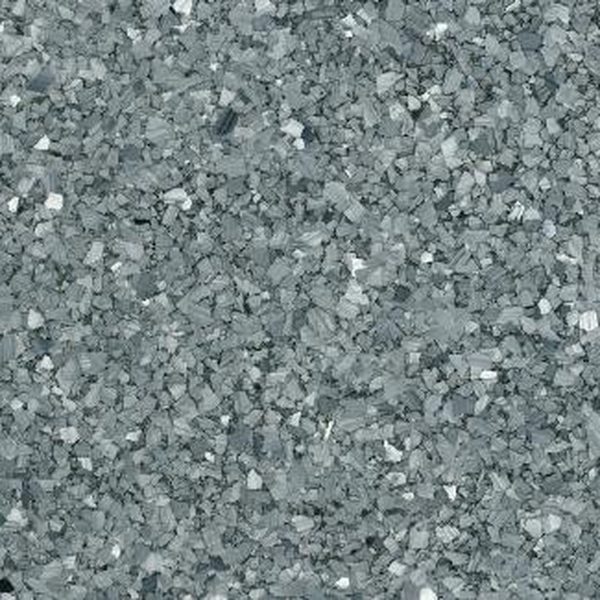
BASALT
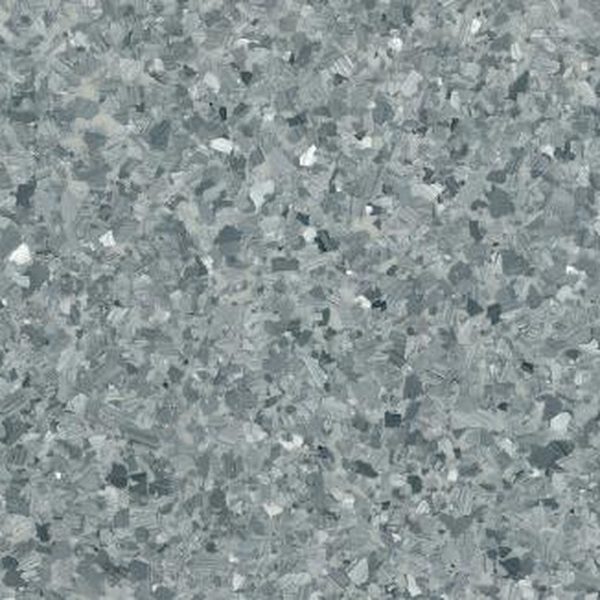
BASALT
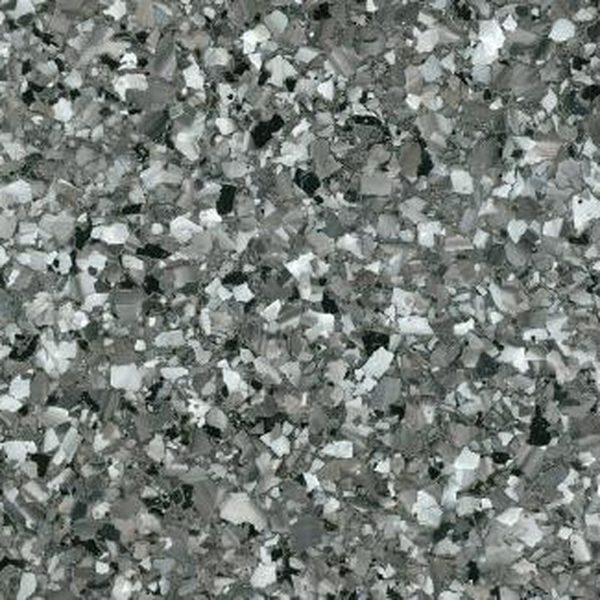
BLACK MARBLE LARGE
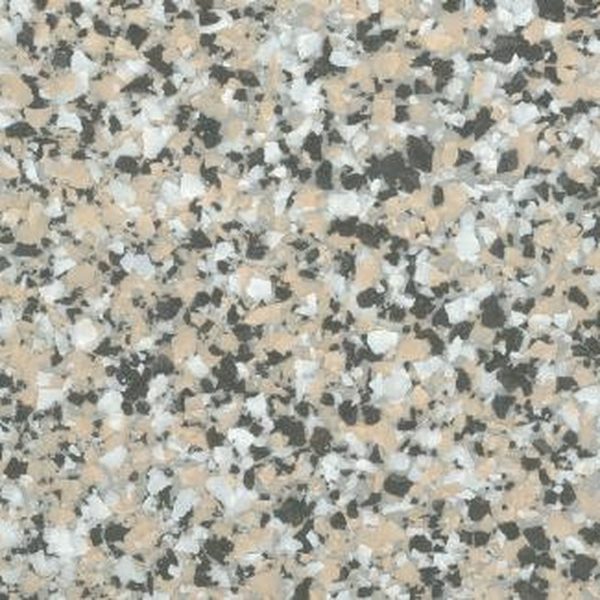
GREY WACKE LARGE
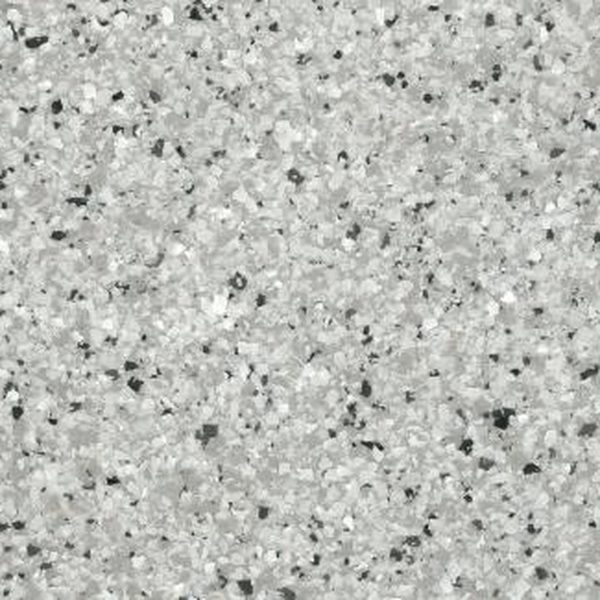
GREY GRANITE SMALL
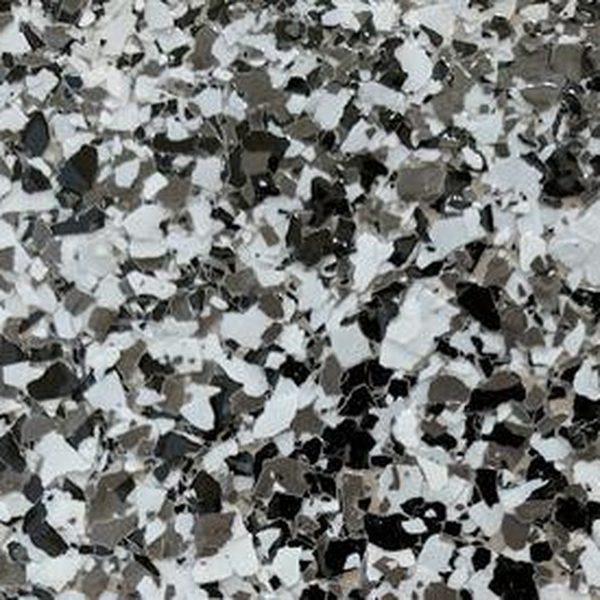
ASH GREY
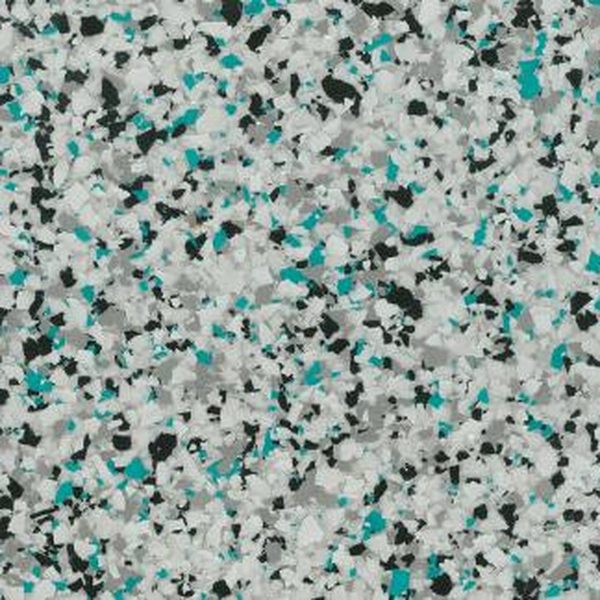
ASHEN TEAL
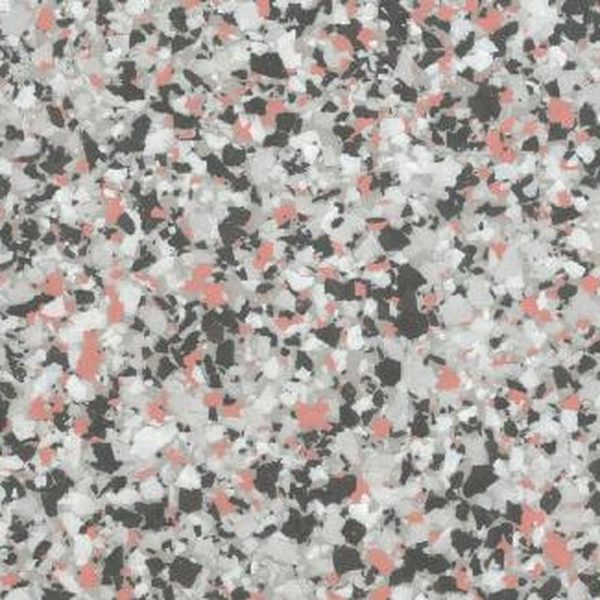
TERRACOTTA MARBLE LARGE
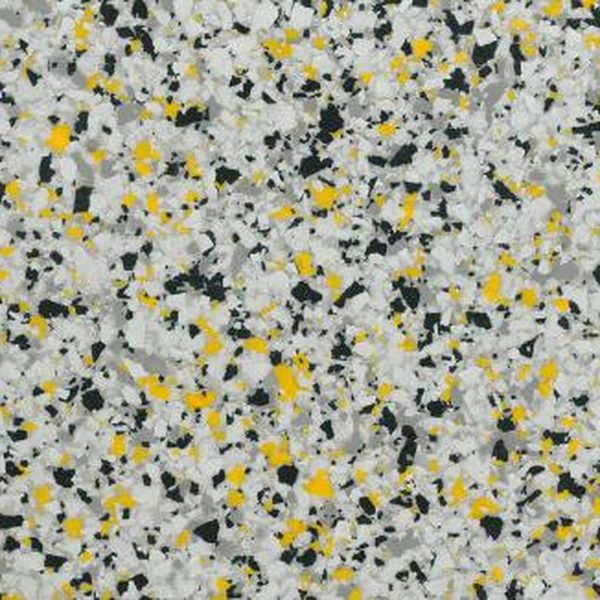
ASHEN YELLOW
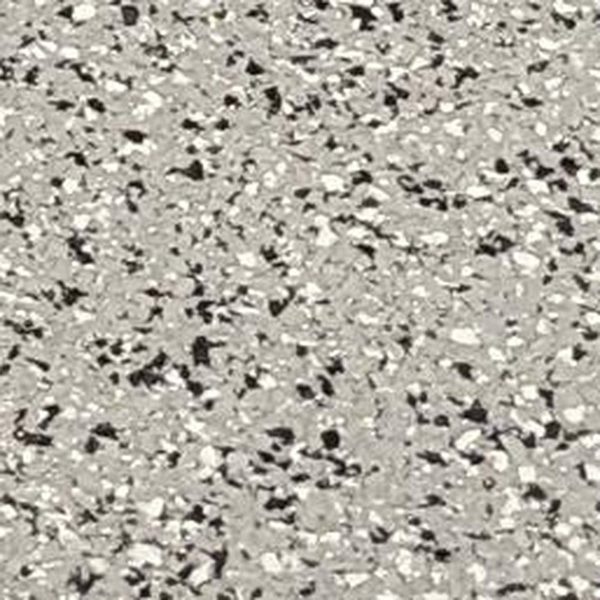
ASHEN
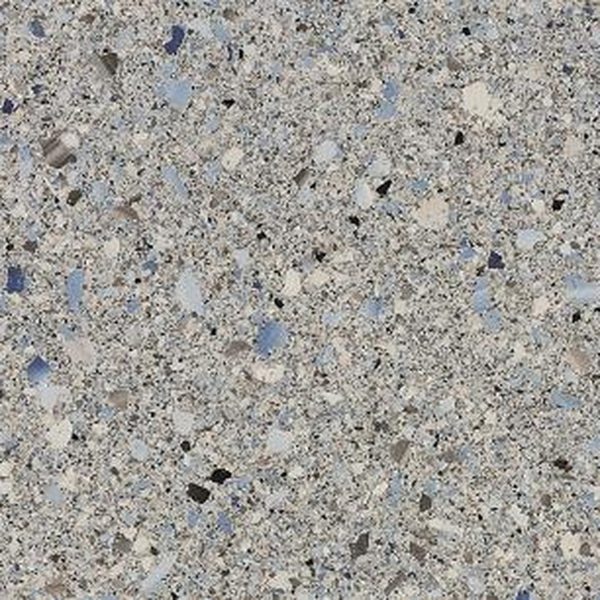
BLUE STONE
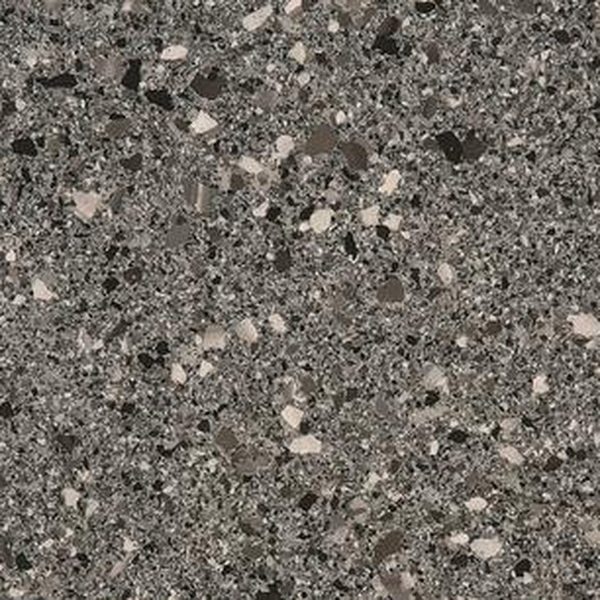
BLACK STONE
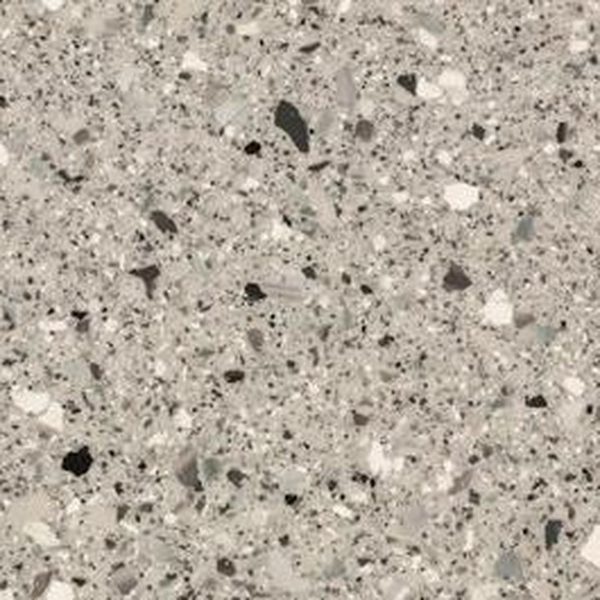
GEM STONE
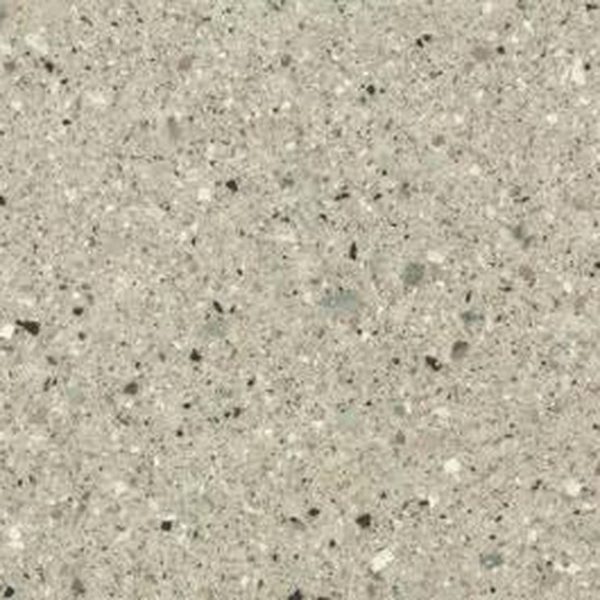
GREEN STONE
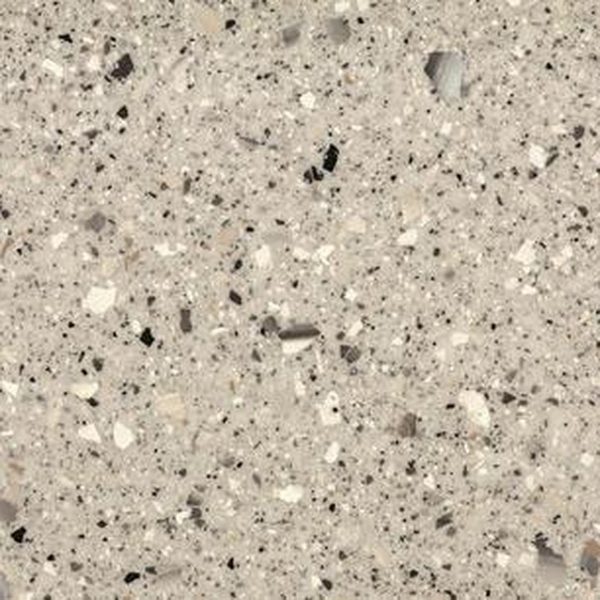
GREY STONE
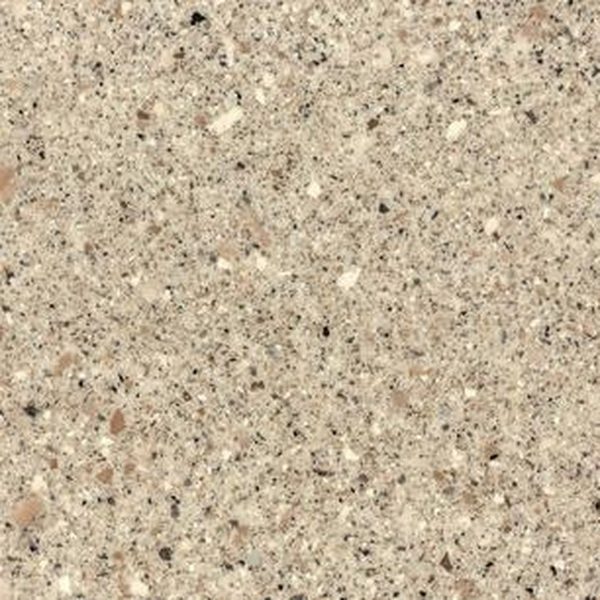
NATURAL STONE
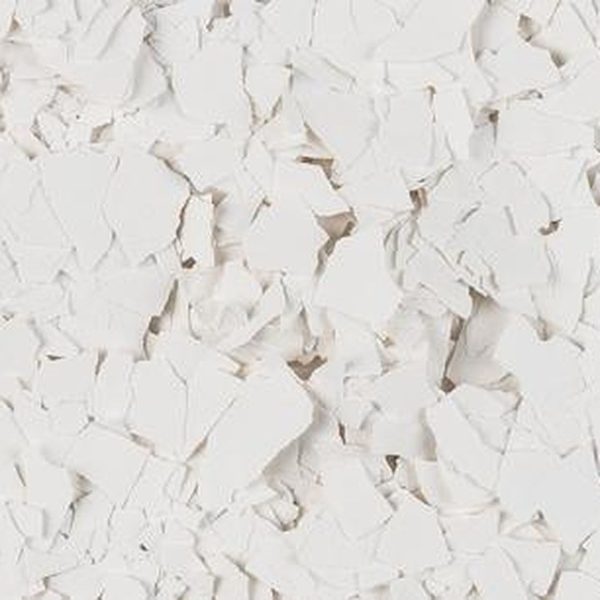
WHITE
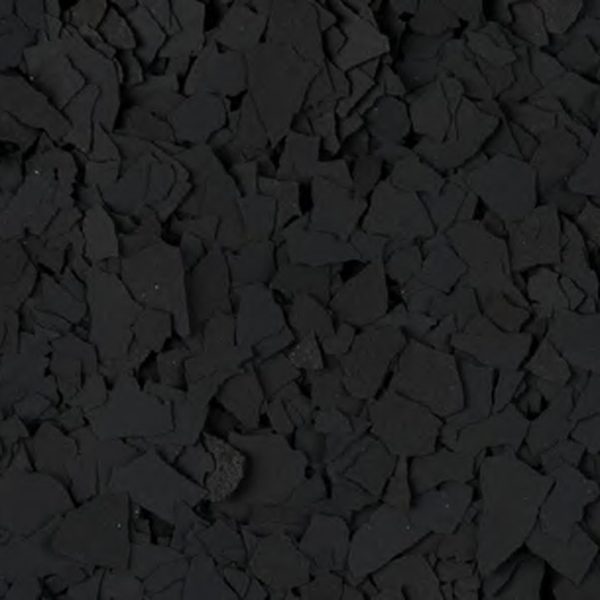
BLACK

WHISPER GREY
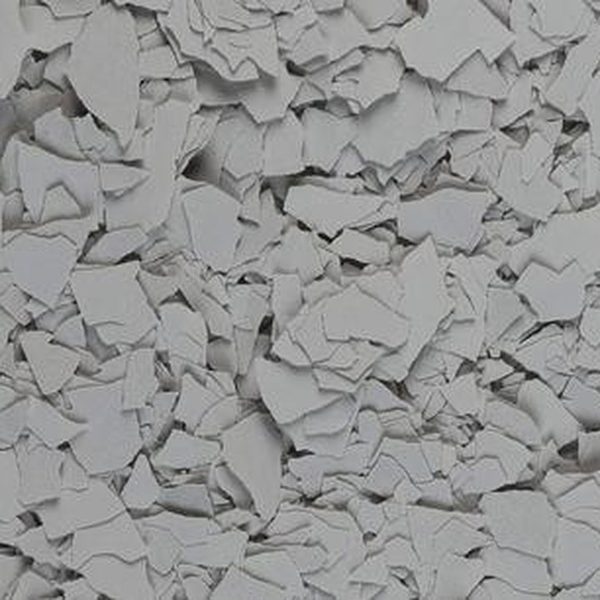
FUNCTIONAL GREY
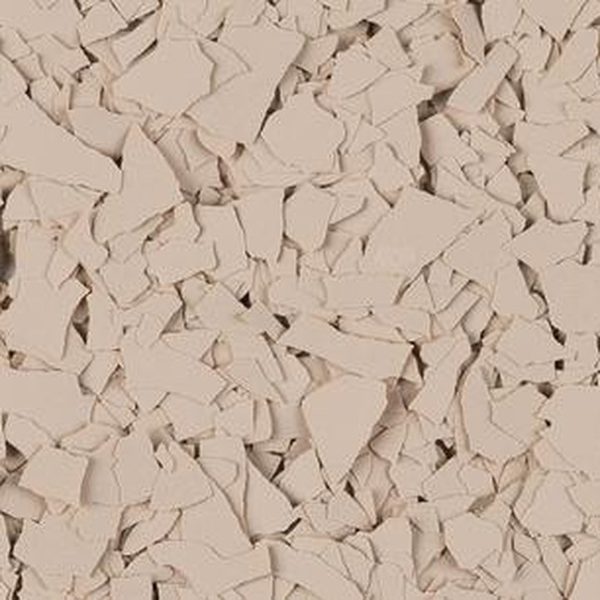
BEIGE
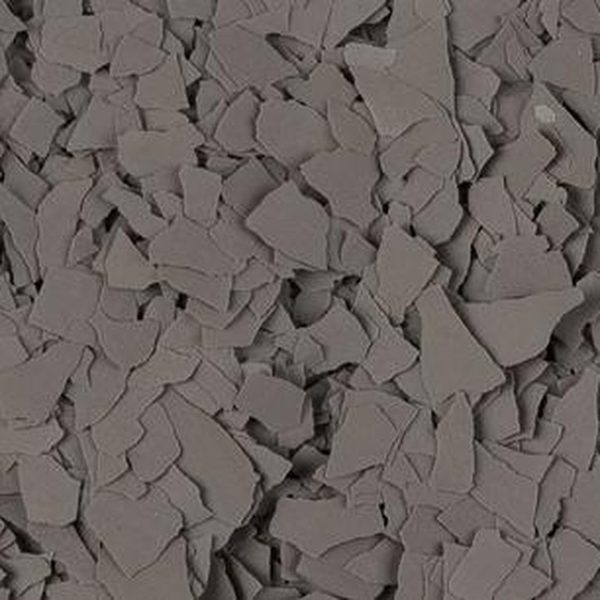
PORPOISE

TEAL
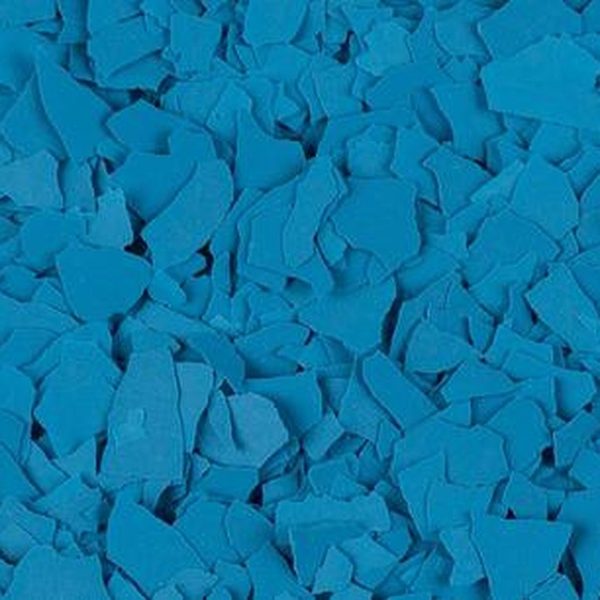
DELRAY BLUE
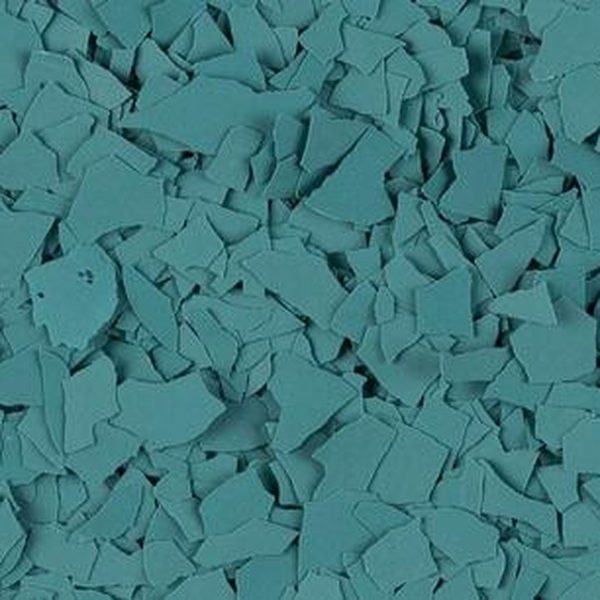
SONIC
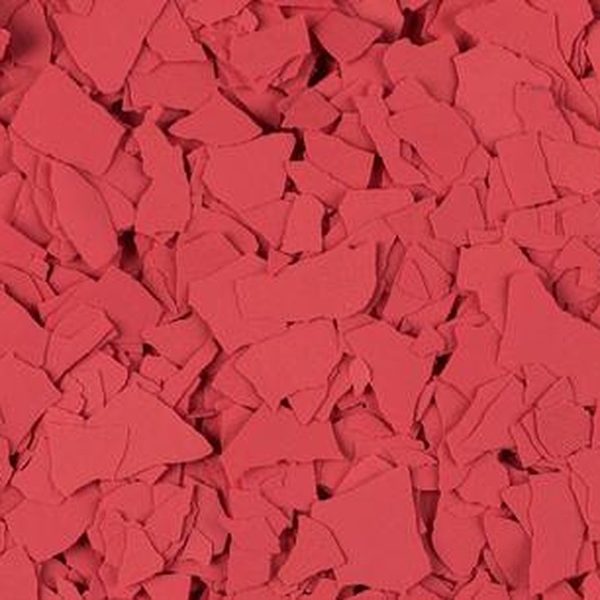
LIPSTICK RED
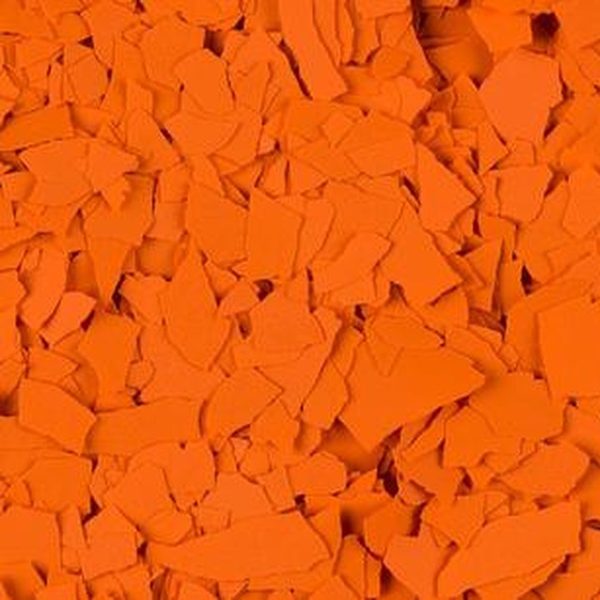
ORANGE
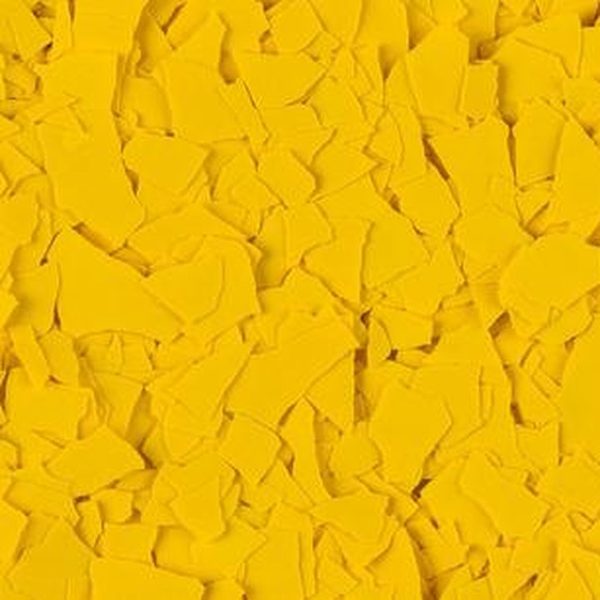
YELLOW
Why flake epoxy is the garage floor most people choose
Almost every garage we coat ends up as a flake epoxy floor, for three reasons.
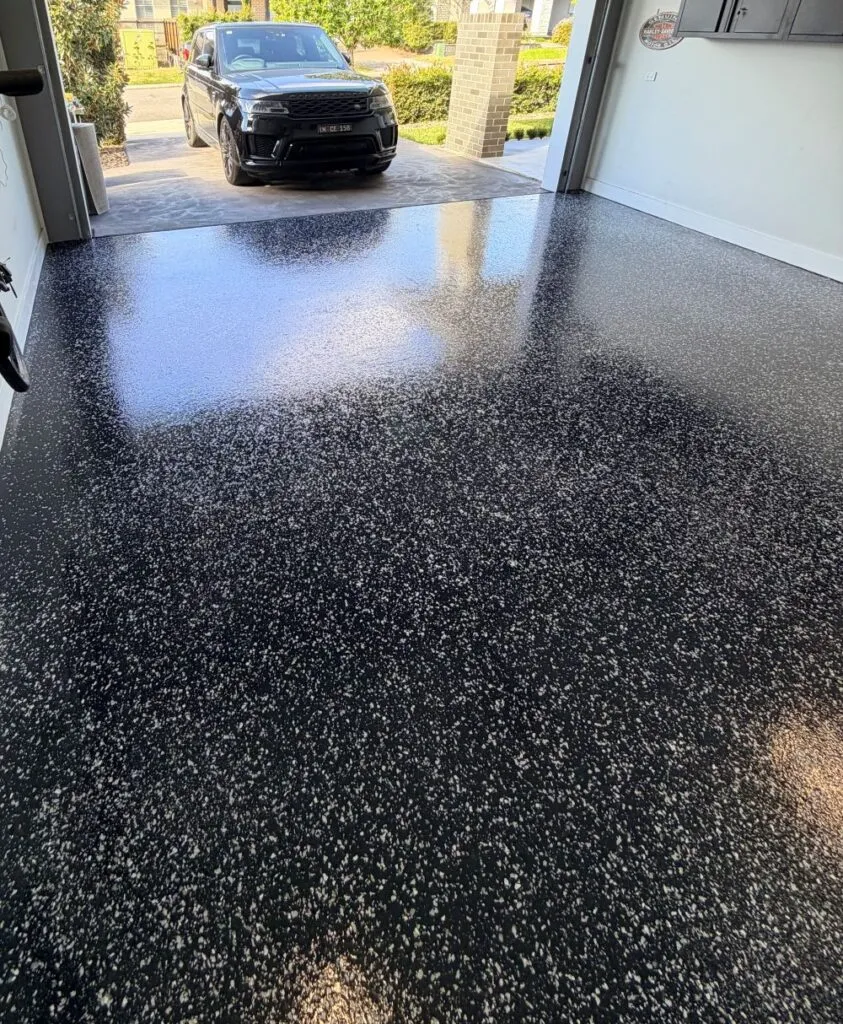
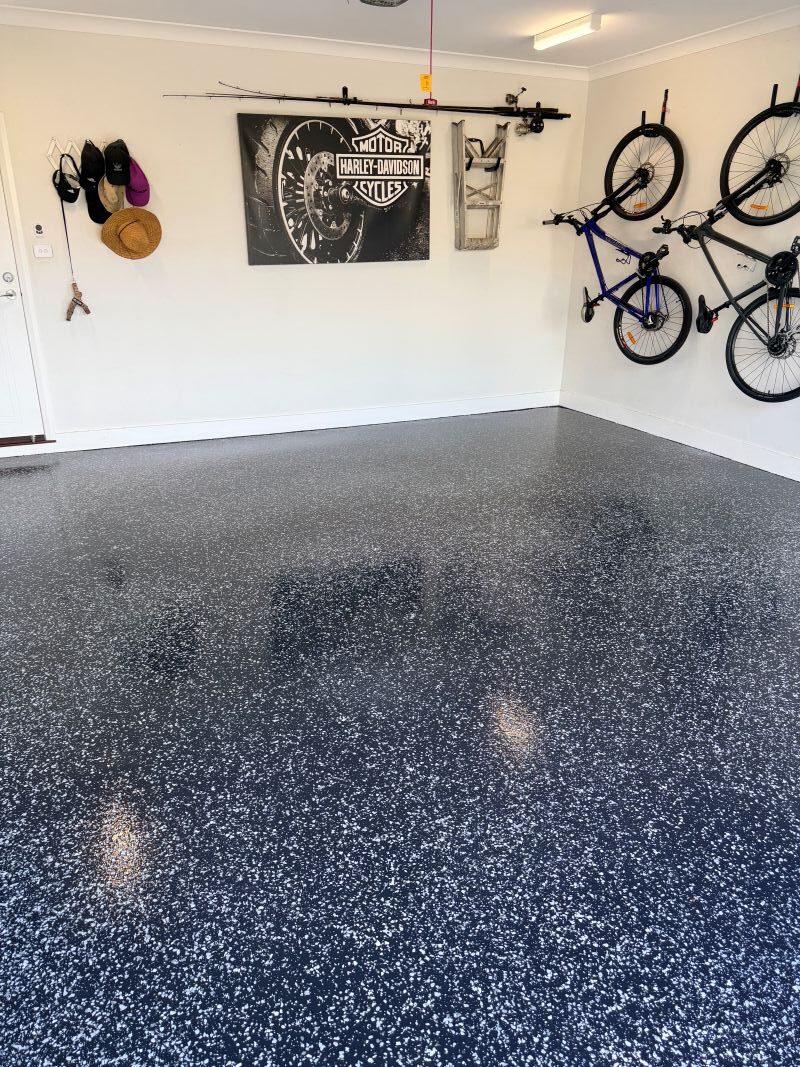
- Flake hides the small marks a garage floor collects. A plain, solid colour floor shows every scuff, every drip and every hairline imperfection in the slab underneath, while a flake floor has pattern and tonal variation across the whole surface for those marks to blend into.
- The texture gives you grip. Once the flake is broadcast and sealed the surface has a slight texture rather than being completely smooth, which matters when wet tyres come in on a rainy day.
- The space is easier to keep clean. Sealed concrete does not hold dust the way raw concrete does, so a broom or a blower gets most of it and a mop handles the rest.
The sealer, and how a flake epoxy floor wears
The clear sealer is the layer you walk on and park on. It locks the flake in, fills the gaps between the chips, and takes the abrasion so the flake underneath does not have to. On a home garage floor that sealer is polyurethane: it protects the floor from UV, stops the colour discolouring and adds a layer of hardness. On a commercial floor, or anywhere that gets chemicals on it regularly, we use a polyaspartic sealer instead, which is more chemical resistant and stands up to harder knocks.
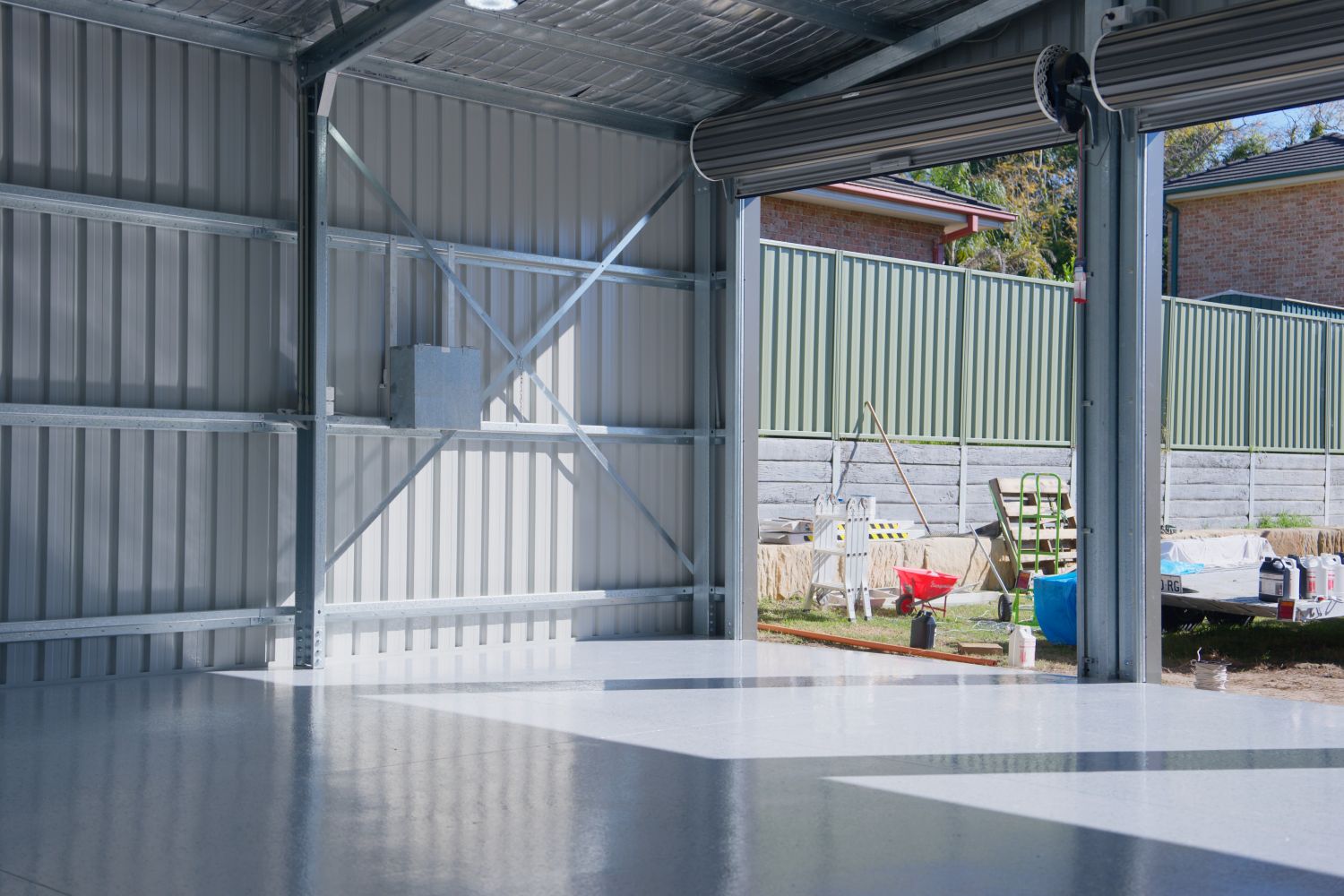
Sealers can be finished at different sheen levels, from a high gloss through to something closer to satin. Gloss makes the colour pop and bounces light around a dim garage, which is a real advantage in a room with one small window. It also shows dust sooner. A lower sheen is more forgiving day to day but does not brighten the room as much. Both are good choices, and it comes down to the look you prefer.
Grip is the other thing the sealer decides. A flake floor already has texture, an anti-slip additive in the sealer adds more for a home garage, and a floor that needs a certified slip rating gets quartz broadcast into the coating. The ratings and what they cost are in the questions at the bottom of the page.
Living with a flake epoxy floor
A properly prepared and sealed flake floor handles normal domestic garage use well. It takes car tyres, foot traffic, a workbench, kids on scooters and bins being dragged in and out. Sealed floors also stop the slab soaking up spills, which is the main reason old garage concrete ends up permanently stained.
It is worth knowing the limits. Dragging sharp steel across the surface can mark it. Hot tyres sitting on a floor that has not been given proper curing time can pull at a coating. Strong solvents left to sit are worth wiping up rather than leaving overnight. Sunlight through a wide open roller door, year after year, can shift the tone of a very light sealer.
Looking after it is not complicated. Sweep or blow the grit out regularly, because loose grit under a tyre is what scratches floors. Mop with warm water and a mild cleaner when it needs it. Wipe up oil, brake fluid and petrol reasonably promptly. When a sealer eventually starts to look tired after a long stretch of hard use, it can often be scuffed back and re-coated rather than the whole floor being pulled up.
From booking to finished floor
01
QuoteWe come out, look at the slab, test for moisture and talk through blends with real flake samples in your own light, then give you a fixed written price.
02
PreparationThe slab is ground back to clean, open concrete, and the chips, gouges, control joints and cracks are filled and made good before anything is coated.
03
Coating and handoverThe primer and base coat go down, the flake is broadcast into it by hand, then the floor is scraped, vacuumed and sealed. A standard garage is done in a day on site.
Bigger floors run two or three days on site, and Evo’s working figure is 72 hours before the car goes back in. Moisture in the slab, a lot of cracks to fill, or old paint that needs a second round of grinding move the timing, and we confirm it in writing at the free on-site quote.
Get a Free Quote
Tell us the size of the floor and any blends you like the look of, and we will bring samples to the quote.
0468 333 881sales@evoepoxy.com.auFree on-site quote, fixed written price
32 pre-mixed flake blends
Base coat chosen with the blend
Scraped back and sealed with a clear polyurethane sealer
7-year written product warranty
Suited to
Garages & carportsSheds & workshopsStoreroomsBack of house retail
We work out of Kellyville and cover Castle Hill, Kellyville Ridge, Bella Vista, Norwest, Baulkham Hills, Rouse Hill, Beaumont Hills, Glenhaven, Dural, Kenthurst, Box Hill, Stanhope Gardens, Glenwood, Parklea, The Ponds, Schofields, Winston Hills, Seven Hills, Northmead and Marsden Park.
We reply to every enquiry within one business day
Frequently asked questions
How long before I can park on it?
Evo Epoxy’s working figure is 72 hours before a flake floor goes back into normal use, with the polyurethane sealer we use on home floors, and foot traffic comes back well before that. None of that is a fixed promise, because temperature, humidity, the state of the slab and the system going down all move it. We give you the actual dates for your floor before we start.
Can you put a flake floor over a cracked or stained slab?
Usually, yes, but the cracks and stains have to be dealt with first rather than coated over. Cracks get cut out and filled, and oil contamination needs to come out of the concrete before anything goes on top. If a slab has a moisture problem or is badly broken up, we will tell you that up front before any coating goes down.
Will the flake feel rough underfoot?
There is a slight texture to it, which is what gives the grip, but a scraped and topcoated flake floor is comfortable to walk on in bare feet. If you want more grip again, for a ramp or a sloped driveway apron, extra additives can go into the topcoat.
Can I get a flake floor that matches the house?
Yes, within reason. Blends and base colours can be chosen to sit with your render, garage door and interior tones. Bring photos, or start with the epoxy flooring colours page and we can work from there.
Is flake better than metallic for a garage?
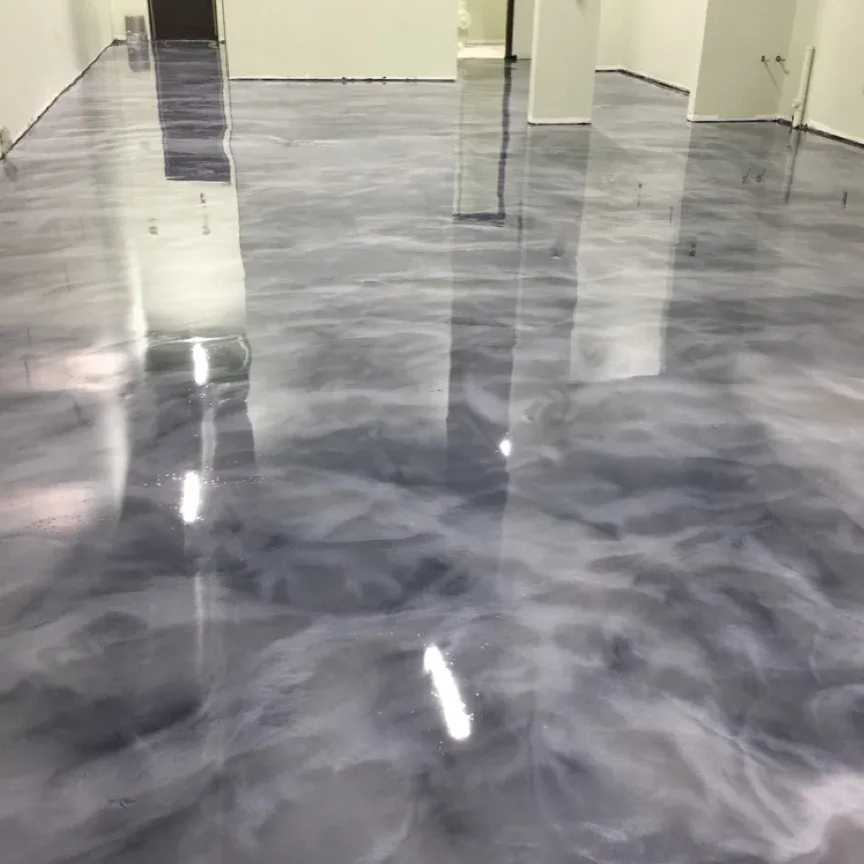
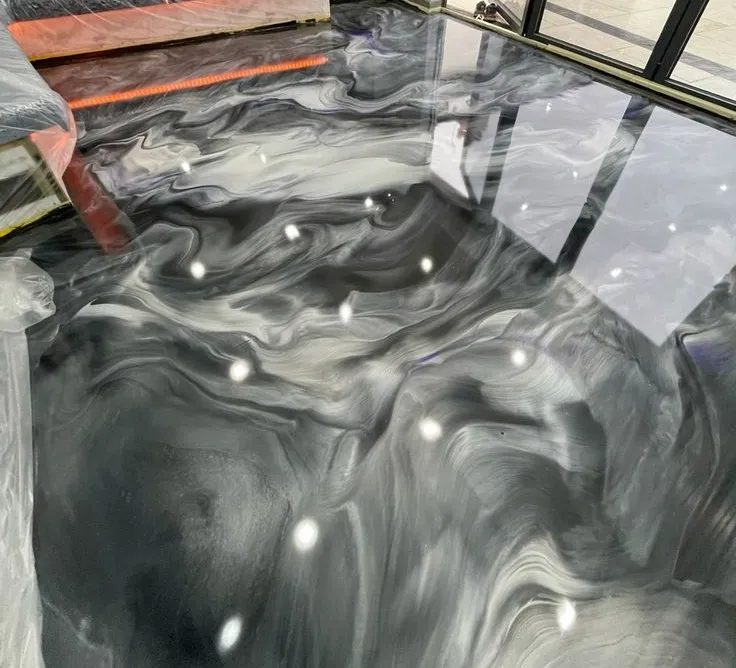
For a garage that is used as a garage, usually yes. Flake has texture for grip, the pattern hides scuffs and dust, and a repair blends into it. Metallic is smoother and glossier, which looks its best in a showroom or a room people look at, but shows every footprint and is harder to patch. If the garage is a showpiece rather than a workspace, have a look at metallic epoxy flooring.
How much does a flake epoxy floor cost?
Evo Epoxy prices a single garage flake epoxy floor in Sydney from $1,800 and a double garage from $2,500, including the moisture check, diamond grinding, crack filling, primer, base coat, flake and sealer. Moisture in the slab, a lot of cracks, and old paint that needs a second round of grinding are the three things that push the price up. Every quote is confirmed in writing after a free on-site look at the slab.
How do you look after a flake epoxy floor?
A flake epoxy floor is looked after with a broom and a mop. Sweep or blow out grit, because grit under a tyre is what scratches a sealed floor. Mop with warm water and a mild cleaner. Wipe up oil, brake fluid and petrol the same day. A tired sealer can usually be scuffed back and re-coated years later without lifting the floor.
How long does a flake epoxy floor take to cure?
A flake epoxy floor takes about 24 hours between coats and reaches full chemical cure at 7 days, and Evo Epoxy works to 72 hours before a Sydney garage floor goes back into normal use. Our coatings are made by All Purpose Coatings, and its installation sheet for the flake system puts the primer and base coat at about 6 square metres per litre each, while its epoxy data sheet gives light foot traffic at 24 hours, vehicle traffic at 48 hours and full chemical cure at 7 days. We confirm the dates for your floor because temperature and humidity move them.
What slip rating can a flake epoxy floor reach?
A flake epoxy floor by Evo Epoxy can be taken to a certified P4 slip rating with a quartz broadcast, from $250 on top of the floor price. Slip ratings in Australia run from P0 to P5 under AS 4586, the standard for pedestrian surfaces, and the Building Codes Board’s advisory note sets out what ramps, stairs and landings must reach. For a home garage, an anti-slip additive in the sealer is from $100. Where a floor needs a certified rating, quartz is broadcast into the coating: APC’s grip finish instructions state that its Quartz Shield 40 grade is expected to reach P4 and the 25 grade P5 when installed correctly, with independent slip testing after installation to certify it.
Evo Epoxy Flooring2 Affleck Cct, Kellyville NSW 2155Servicing the Hills District & North West Sydney0468 333 881Get directions
Ready to talk flake epoxy flooring?
Free on-site assessment and a fixed written quote, with real flake samples in your own light.